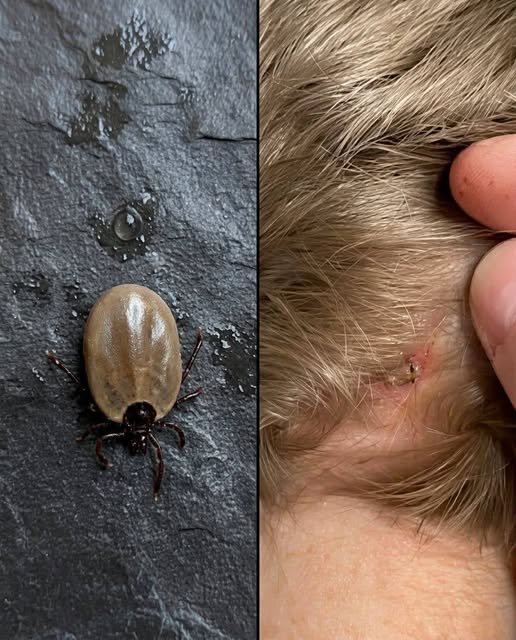
What Is This Insect on My Child’s Head? A Parent’s Guide to Quick Identification and What to Do Next
Found an insect in your child’s hair? Learn how to identify lice, fleas, and other bugs fast, plus safe steps parents should take immediately.
Finding a tiny insect in your child’s hair can instantly trigger panic.
Your mind jumps to worst-case scenarios in seconds:
Is it lice? Is it something dangerous? Did they catch it from school? Is it spreading?
Take a breath—this is actually a very common situation, especially for school-aged children.
In most cases, the insect is harmless in terms of long-term health risk, but it does need proper identification and quick action to prevent discomfort or spread.
The key is not guessing—but recognizing patterns.
This guide will help you understand exactly what you might be looking at, how to identify it quickly, and what steps to take right away without stress or confusion.
Why Finding an Insect in Hair Feels So Stressful
There’s a psychological reason parents react so strongly.
Hair is personal and protective—it feels like a “clean zone.” So when something unexpected appears there, the brain interprets it as an immediate hygiene or health threat.
But in reality:
- Most scalp insects are common
- Most are not dangerous
- Most are highly treatable
- And most schools deal with them regularly
The important thing is identification—not panic.
The Most Common Culprit: Head Lice
In over 90% of cases involving insects found in a child’s hair, the answer is head lice.
What head lice look like:
- Very small (like a sesame seed)
- Gray, brown, or tan
- Fast-moving but do not fly or jump
- Found close to the scalp
Signs that confirm lice:
- Constant scalp itching
- Irritation behind ears or neck
- Tiny white eggs (nits) stuck firmly to hair strands
- Other children in school reporting lice cases
What lice do NOT do:
- They do NOT live on pets
- They do NOT fly or jump
- They do NOT survive long off the scalp
Lice are annoying, but they are not dangerous and do not spread disease.
Fleas: Another Possible Match
Fleas are often confused with lice but behave differently.
What fleas look like:
- Dark brown or black
- Extremely fast movement
- Can jump long distances
- Hard, flattened bodies
Clues it might be fleas:
- You have pets at home
- Bites appear on ankles, legs, or arms
- Insect jumped rather than crawled
- Found in bedding or carpets more than hair
Fleas usually come from animals, not humans directly.
Bed Bugs: Rare but Possible
Bed bugs are often misunderstood and blamed incorrectly.
What bed bugs look like:
- Flat, oval-shaped
- Reddish-brown
- Slow-moving
- Do NOT live in hair
Important fact:
Bed bugs typically hide in:
- Mattresses
- Bed frames
- Furniture seams
They may bite the scalp area but rarely attach to hair itself.
So if the insect was truly in the hair, bed bugs are unlikely.
Other Harmless Possibilities
Sometimes what parents see isn’t a parasite at all.
Could be:
- A small fly or mosquito that landed briefly
- A piece of debris or lint
- A harmless outdoor insect carried in from play
- Dandruff mistaken for eggs
Lighting and panic can make tiny objects look more alarming than they are.
Step-by-Step: What You Should Do Immediately
If you find an insect in your child’s hair, follow this simple process:
Step 1: Stay calm and isolate the situation
Avoid rushing or scratching the scalp aggressively.
Step 2: Examine under bright light
Look closely at:
- Movement (fast crawling vs jumping)
- Color and shape
- Whether anything is attached to hair strands
Step 3: Use a fine-tooth comb
This helps confirm lice if present.
Step 4: Check other family members
Especially siblings sharing beds or pillows.
Step 5: Wash soft items
If lice or fleas are suspected:
- Pillowcases
- Bedding
- Hats
- Towels
Use hot water when possible.
How Head Lice Spread (Important for Parents)
Lice spread mainly through:
- Head-to-head contact
- Sharing combs or brushes
- Shared hats or scarves
- Close school or playground contact
They do NOT spread through:
- Dirty homes
- Lack of hygiene
- Pets
- Swimming pools
This is a common misconception.
Common Mistakes Parents Make
Mistake #1: Assuming it’s dangerous
Lice and most scalp insects are not medical emergencies.
Mistake #2: Using strong chemicals immediately
Overuse of harsh treatments can irritate the scalp unnecessarily.
Mistake #3: Ignoring early signs
Early detection makes treatment much easier.
Mistake #4: Not checking the whole household
If it’s lice, others may already have it without symptoms.
Safe Treatment Options (If It Is Lice)
If lice are confirmed, treatment is straightforward:
Over-the-counter treatments
Available at most pharmacies:
- Lice shampoos
- Permethrin-based products
Manual removal
- Use a lice comb daily for 7–10 days
- Remove nits carefully
Home cleaning
- Wash bedding and clothes
- Vacuum sofas and carpets
- Avoid sharing hair items
Consistency matters more than intensity.
When You Should See a Doctor
Seek medical advice if:
- Scalp becomes infected or very red
- Over-the-counter treatments fail
- Severe itching continues for weeks
- You are unsure what the insect is
Doctors can confirm diagnosis quickly and safely.
Real-Life Scenario Most Parents Relate To
A parent notices their child scratching their head after school.
Later that night, while checking under a lamp, they spot a tiny moving speck in the hair.
Panic sets in.
They assume the worst.
But after proper inspection, it turns out to be simple head lice—likely picked up from school contact weeks earlier.
Within a few days of treatment, everything is resolved.
This is far more common than people realize.
Pros and Cons of Different Possibilities
| Possibility | Risk Level | Treatment Difficulty |
|---|---|---|
| Head lice | Low medical risk | Easy with treatment |
| Fleas | Mild irritation | Requires home + pet care |
| Bed bugs | Low but annoying | Requires home inspection |
| Random insect | No risk | No treatment needed |
Prevention Tips for the Future
- Teach children not to share combs or hats
- Tie long hair during school days
- Regularly check scalp during grooming
- Keep bedding clean
- Treat pets for fleas regularly
- Encourage early reporting of itching
Frequently Asked Questions
Is it dangerous to find an insect in my child’s hair?
Most insects found in hair, like lice, are not dangerous but do require treatment.
How can I tell if it is lice or something else?
Lice move slowly in hair and stay close to the scalp. Fleas jump, and other insects usually don’t stay in hair.
Do lice mean my child is unclean?
No. Lice spread through contact, not hygiene.
Can lice spread through the house?
Only indirectly through shared items like pillows, brushes, or hats.
Do I need to throw away bedding?
No. Washing in hot water is enough.
Can lice live on furniture?
They survive briefly off the scalp but do not live long in the environment.
What if I only saw one insect?
It may still be early lice infestation or even a random insect—monitor closely.
Can pets cause head lice?
No. Human lice do not come from animals.
How fast do lice spread?
They spread gradually through close contact, especially in schools.
Should I panic if I find one?
No. Identification and quick treatment are usually enough.
Quick Action Checklist
Do This
✔ Inspect hair under bright light
✔ Use a fine comb
✔ Check siblings and close contacts
✔ Wash bedding and clothing
✔ Confirm before treating
Avoid This
✘ Panicking immediately
✘ Using random chemicals
✘ Ignoring possible spread
✘ Assuming it’s dangerous
✘ Delaying inspection
Final Thoughts
Finding an insect in your child’s hair can feel alarming at first, but in most cases, it turns out to be something common, treatable, and not medically dangerous.
The most important step is simply identifying it correctly before reacting.
Once you know what you’re dealing with, the solution is usually straightforward and temporary.
And within a short time, everything returns to normal.
Most insects found in a child’s hair are harmless or easily treatable—especially head lice. Careful identification and early action matter far more than panic.
If you’ve dealt with something similar, share your experience or tips—it often helps other parents feel less stressed and more prepared.