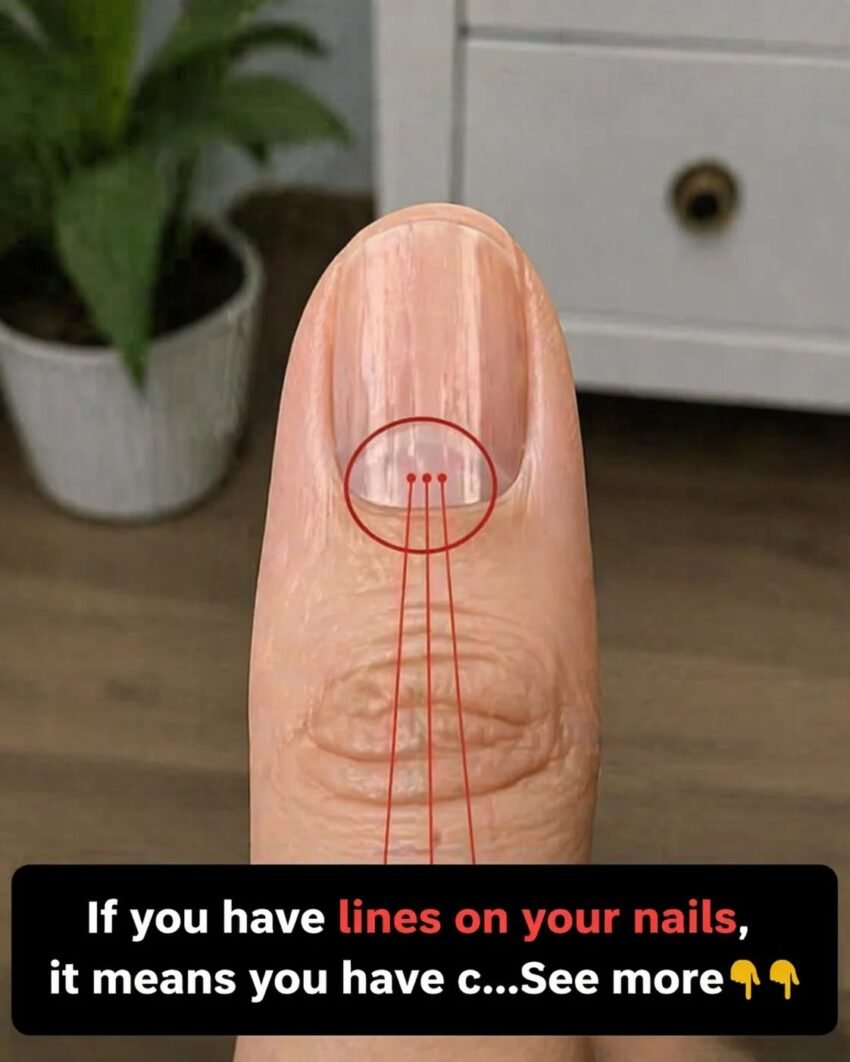
Lines on Your Nails: 12 Warning Signs Your Body Might Be Trying to Send You
Discover what nail lines may reveal about your health, from vitamin deficiencies to stress and aging. Learn which signs matter and when to see a doctor. Your nails don’t just exist to hold polish or scratch an itch. They quietly record what’s happening inside your body — sometimes weeks or even months before other symptoms appear.
Most people ignore ridges, white streaks, dents, or dark lines on their nails. They assume it’s aging, dehydration, or maybe damage from a manicure. Sometimes that’s true. But not always.
In certain cases, changes in your nails can point to nutritional deficiencies, chronic stress, circulation issues, autoimmune conditions, or even serious illnesses that shouldn’t be brushed off.
That’s what makes nail changes so fascinating — and honestly, a little unsettling.
The good news? Most nail lines are harmless. The challenge is knowing which ones deserve attention and which are completely normal.
Here’s what your nails could be trying to tell you.
Why Nail Changes Matter More Than Most People Realize
Your nails are made primarily of keratin, the same protein found in your hair and outer skin layer. Because nails grow slowly over time, they can act like a biological timeline of your recent health.
When your body experiences stress, nutrient shortages, illness, inflammation, or changes in blood flow, nail growth can shift. Those shifts often appear as lines, grooves, ridges, discoloration, or texture changes.
Doctors sometimes examine nails during physical exams for exactly this reason.
And while TikTok has turned “health clues in nails” into a trend lately, medical professionals have paid attention to nail patterns for decades.
The important part is context.
A single vertical ridge in your thumbnail at age 55? Usually harmless.
Sudden dark streaks under one nail that won’t go away? That deserves prompt medical evaluation.
Understanding the difference can help you avoid unnecessary panic while also catching potential problems early.
The 12 Most Common Nail Lines and What They May Mean
1. Vertical Ridges: Usually Normal Aging
Vertical ridges run from the cuticle to the nail tip. They’re extremely common, especially after age 40.
Think of them like wrinkles for your nails.
In many cases, they develop simply because nail cell turnover slows with age. Minor dehydration and repeated hand washing can make them more noticeable too.
However, prominent vertical ridges may occasionally be linked to:
- Iron deficiency
- Vitamin B12 deficiency
- Magnesium deficiency
- Rheumatoid arthritis
If your ridges appeared suddenly or come with brittle nails, fatigue, hair thinning, or pale skin, it’s worth checking your nutrient levels.
What helps:
- Moisturizing cuticle oils
- Biotin-rich foods
- Hydration
- Gentle nail care
2. Horizontal Lines (Beau’s Lines): A Sign Growth Was Interrupted
Horizontal grooves across the nail are called Beau’s lines.
These happen when nail growth temporarily stops due to physical or emotional stress on the body.
Common triggers include:
- High fever
- Severe illness
- Surgery
- COVID-19
- Uncontrolled diabetes
- Major stress
- Chemotherapy
Because nails grow slowly, these lines may not appear until weeks after the triggering event.
One interesting detail many people miss: the position of the line on the nail can roughly indicate when the stress occurred.
For example:
- Near the cuticle = recent event
- Closer to nail tip = older event
If multiple nails suddenly develop deep horizontal grooves, don’t ignore it.
3. White Horizontal Lines: Potential Nutritional or Organ Concerns
White lines can mean different things depending on their appearance.
Mees’ Lines
These horizontal white bands may be associated with:
- Heavy metal poisoning
- Kidney disease
- Certain infections
- Chemotherapy
Muehrcke’s Lines
These paired white lines can sometimes reflect:
- Low protein levels
- Liver disease
- Malnutrition
In many cases, harmless trauma causes white marks. But persistent horizontal white bands across multiple nails deserve medical evaluation.
4. Dark Vertical Lines: Sometimes Serious
A thin brown or black vertical streak may come from harmless pigmentation, especially in people with darker skin tones.
But there’s one important exception doctors take very seriously:
Subungual melanoma.
This rare form of skin cancer can appear as:
- A dark streak under one nail
- Widening pigmentation
- Irregular borders
- Nail splitting
- Color extending into surrounding skin
This is one nail symptom you should never self-diagnose online.
If a dark line appears suddenly, changes shape, or affects only one nail, schedule a dermatology appointment.
Early detection matters enormously here.
Nail Changes Linked to Vitamin Deficiencies
Iron Deficiency
Iron deficiency can cause:
- Vertical ridges
- Brittle nails
- Spoon-shaped nails
- Pale nail beds
Women in the U.S. are particularly vulnerable due to menstruation and pregnancy-related iron depletion.
Vitamin B12 Deficiency
Possible nail clues include:
- Darkened nails
- Blue-ish nail tint
- Increased pigmentation
- Ridging
B12 deficiency can also lead to:
- Brain fog
- Fatigue
- Tingling hands and feet
Zinc Deficiency
Low zinc levels may trigger:
- White spots
- Slow nail growth
- Weak nails
- Cracking
Zinc deficiencies sometimes occur in people with digestive disorders or restrictive diets.
Protein Deficiency
Because nails are protein-based, insufficient protein intake may lead to:
- Weak ridges
- Soft nails
- Slow growth
This has become more common among people following highly restrictive social-media diet trends.
When Stress Starts Showing Up on Your Nails
Stress affects far more than your mood.
Chronic stress can influence circulation, hormone balance, inflammation, sleep quality, and nutrient absorption — all of which affect nail growth.
Signs stress may be impacting your nails include:
- Horizontal ridges
- Nail peeling
- Brittle texture
- Nail biting damage
- Slow growth
A surprising number of people noticed nail changes after prolonged pandemic stress, even without severe illness.
The body keeps score in subtle ways.
What Nail Lines Can Reveal About Chronic Health Conditions
Diabetes
People with diabetes may develop:
- Thickened nails
- Yellow discoloration
- Beau’s lines
- Slower nail healing
Poor circulation plays a major role.
Thyroid Disorders
Hypothyroidism may contribute to:
- Brittle nails
- Vertical ridges
- Slow growth
Hyperthyroidism sometimes causes nail separation from the nail bed.
Heart and Lung Conditions
Low oxygen levels can affect nail appearance over time.
Doctors may look for:
- Clubbing
- Bluish nail beds
- Curvature changes
These symptoms are more significant than ordinary ridges and should be medically evaluated.
Autoimmune Diseases
Conditions like psoriasis or lupus may produce:
- Pitting
- Grooves
- Nail separation
- Texture changes
Nails can sometimes reveal autoimmune activity before other symptoms intensify.
A Quick Comparison Table: Which Nail Lines Matter Most?
| Nail Change | Common Cause | Usually Harmless? | When to Worry |
|---|---|---|---|
| Vertical ridges | Aging | Often yes | Sudden/severe changes |
| Beau’s lines | Illness/stress | Sometimes | Multiple deep grooves |
| White spots | Minor trauma | Usually yes | Persistent widespread patterns |
| Dark vertical streak | Pigmentation | Sometimes | One changing dark streak |
| Spoon nails | Iron deficiency | No | Requires evaluation |
| Pitting | Psoriasis | No | Chronic skin symptoms |
| Yellow nails | Fungus/smoking | Sometimes | Thickening/swelling |
The Biggest Mistake People Make With Nail Symptoms
They either:
- Ignore everything
or - Panic over harmless changes
Both approaches create problems.
A tiny white dot after hitting your nail against a counter? Probably nothing.
A rapidly changing dark streak that keeps widening? That needs professional attention.
The smartest approach is pattern recognition.
Ask yourself:
- Is this new?
- Is it affecting multiple nails?
- Is it getting worse?
- Do I have other symptoms too?
Those questions matter more than random internet photos.
Real-World Scenario: The Symptom She Almost Ignored
Melissa, a 38-year-old marketing executive from Chicago, noticed deep horizontal ridges appearing across several nails about two months after recovering from a severe viral illness.
At first, she assumed it was dehydration from winter weather.
But when the grooves became more obvious, she mentioned them during a routine checkup. Her physician explained they were likely Beau’s lines caused by temporary disruption in nail growth during illness.
What surprised her most wasn’t the diagnosis.
It was realizing her body had left behind physical evidence of a stressful event long after she felt “normal” again.
That happens more often than people think.
How to Check Your Nails Properly
Most people glance at their nails without actually examining them.
Here’s a better method:
Step 1: Use Natural Light
Artificial lighting hides subtle color changes.
Step 2: Compare All Nails
One isolated nail issue differs from changes affecting every finger.
Step 3: Look Beyond the Nail
Check:
- Cuticles
- Skin around nails
- Nail thickness
- Shape changes
Step 4: Track Changes Over Time
Take photos monthly if something concerns you.
Nails grow slowly, so progression matters.
Common Causes That Are Completely Harmless
Not every nail line signals illness.
Some very common benign causes include:
- Aging
- Frequent hand washing
- Nail trauma
- Acrylic nails
- Gel polish removal
- Dry weather
- Minor injuries
- Occupational hand strain
Healthcare workers, hairstylists, mechanics, and cleaners often develop nail texture changes simply from repeated exposure and wear.
Context changes everything.
The Rise of “Nail Health” Trends in 2026
Search interest around nail health has exploded recently, especially across social media wellness communities.
Some trends are useful.
Others are deeply misleading.
What’s Trending:
- At-home nutrient testing
- Nail-focused supplements
- Cuticle barrier repair
- Minimalist “health-first” manicures
- Dermatologist-backed nail care
What to Be Careful About:
- Viral self-diagnosis videos
- Extreme supplement routines
- Fear-based wellness claims
- “Detox” products with no evidence
Many influencers dramatically overstate what nails can diagnose.
Your nails can offer clues — not certainty.
Only proper medical testing can confirm underlying conditions.
What Dermatologists Wish More People Knew
Dermatologists repeatedly emphasize one point:
Nails rarely tell the whole story alone.
That’s why doctors combine nail findings with:
- Medical history
- Bloodwork
- Symptoms
- Physical examination
A ridge by itself may mean nothing.
A ridge combined with fatigue, dizziness, and hair loss? Very different conversation.
That nuance gets lost online.
How to Improve Nail Health Naturally
Prioritize Protein Intake
Your nails need amino acids to grow properly.
Good sources:
- Eggs
- Fish
- Greek yogurt
- Beans
- Chicken
- Tofu
Don’t Overdo Supplements
More biotin isn’t always better.
Excessive supplementation can even interfere with certain lab tests.
Protect Nails From Water Damage
Constant soaking weakens keratin layers.
Wear gloves while cleaning or washing dishes.
Moisturize More Than You Think
Dry cuticles often make ridges appear worse.
Address Stress Recovery
Sleep, nutrition, and recovery directly affect nail growth quality.
Your body prioritizes survival over cosmetic structures like nails during stressful periods.
Pros and Cons of Monitoring Nail Health
Pros
- Early awareness of possible deficiencies
- Encourages better self-observation
- Can prompt earlier medical care
- Helps identify lifestyle stress patterns
Cons
- Easy to overanalyze harmless changes
- Internet misinformation creates anxiety
- Nail symptoms are often non-specific
- Self-diagnosis can delay proper care
Balance matters.
Signs You Should See a Doctor Soon
Make an appointment if you notice:
- A dark streak under one nail
- Rapid nail shape changes
- Painful nail separation
- Bleeding beneath nails
- Severe thickening
- Nail clubbing
- Persistent horizontal grooves
- Multiple nail changes with fatigue or illness
Primary care doctors or dermatologists are usually the best starting point.
Expert Insight: The “One-Nail Rule”
One subtle clue dermatologists often pay attention to is whether changes affect:
- One nail
- Several nails
- All nails
Why it matters:
- One nail = more likely trauma, fungal issue, or localized concern
- Multiple nails = more likely systemic issue
It’s not a perfect rule, but it’s surprisingly useful.
Common Nail Myths That Need to Die
“White spots mean calcium deficiency.”
Usually false. Minor trauma is far more common.
“Ridges always mean illness.”
Aging alone causes many ridges.
“Healthy nails should be perfectly smooth.”
Real human nails rarely look airbrushed.
“Supplements fix everything.”
Not if the root issue is medical, hormonal, or inflammatory.
Frequently Asked Questions
Are vertical lines on nails dangerous?
Usually not. Vertical ridges are common with aging and often harmless. Sudden severe ridges or accompanying symptoms may warrant evaluation.
What deficiency causes lines in fingernails?
Iron, zinc, vitamin B12, and protein deficiencies can all affect nail texture and appearance.
Can dehydration cause nail ridges?
Yes. Dehydration can make ridges and brittleness appear more noticeable, especially in dry climates or during winter.
When should I worry about nail lines?
Seek medical attention if lines are dark, rapidly changing, painful, or associated with fatigue, weight loss, or other symptoms.
Are Beau’s lines permanent?
No. They typically grow out with the nail over several months once the underlying stressor resolves.
Can stress really affect nails?
Absolutely. Chronic stress can interrupt nail growth and contribute to brittleness, ridges, and nail biting behaviors.
Why do I suddenly have ridges in my thumbnails?
Age, repetitive hand use, nutritional changes, arthritis, or stress may contribute. Sudden onset should be discussed with a doctor if persistent.
What does a black line under the nail mean?
It may be harmless pigmentation or trauma, but persistent dark streaks should be evaluated to rule out melanoma.
Can gel manicures damage nails permanently?
Usually not permanently, but repeated removal and filing can weaken nails and exaggerate ridges temporarily.
Do healthy nails have lines?
Yes. Mild lines and texture variations are extremely common, especially with age.
Nail Health Action Checklist
What To Do
✔ Monitor changes over time
✔ Eat enough protein and iron-rich foods
✔ Stay hydrated
✔ Moisturize nails and cuticles
✔ Wear gloves during cleaning
✔ See a doctor for dark or changing streaks
✔ Pay attention to multiple nail changes at once
✔ Track symptoms beyond the nails themselves
What To Avoid
✘ Picking at cuticles
✘ Overusing acrylics or harsh removers
✘ Self-diagnosing serious conditions online
✘ Ignoring persistent nail changes
✘ Taking excessive supplements without guidance
✘ Assuming every ridge means disease
Your nails are surprisingly good at revealing patterns happening beneath the surface — stress, aging, nutrition, illness, recovery, even lifestyle habits.
But they’re clues, not crystal balls.
The smartest approach isn’t fear or obsession. It’s awareness.
Pay attention to changes. Notice patterns. Take persistent symptoms seriously. And remember that most nail lines are harmless, especially when they develop gradually over time.
Still, your body has ways of whispering before it starts shouting.
Sometimes, your nails are part of that conversation.
If you’ve noticed unusual changes in your nails recently, share your experience in the comments or pass this article along to someone who keeps wondering whether those lines mean something more.