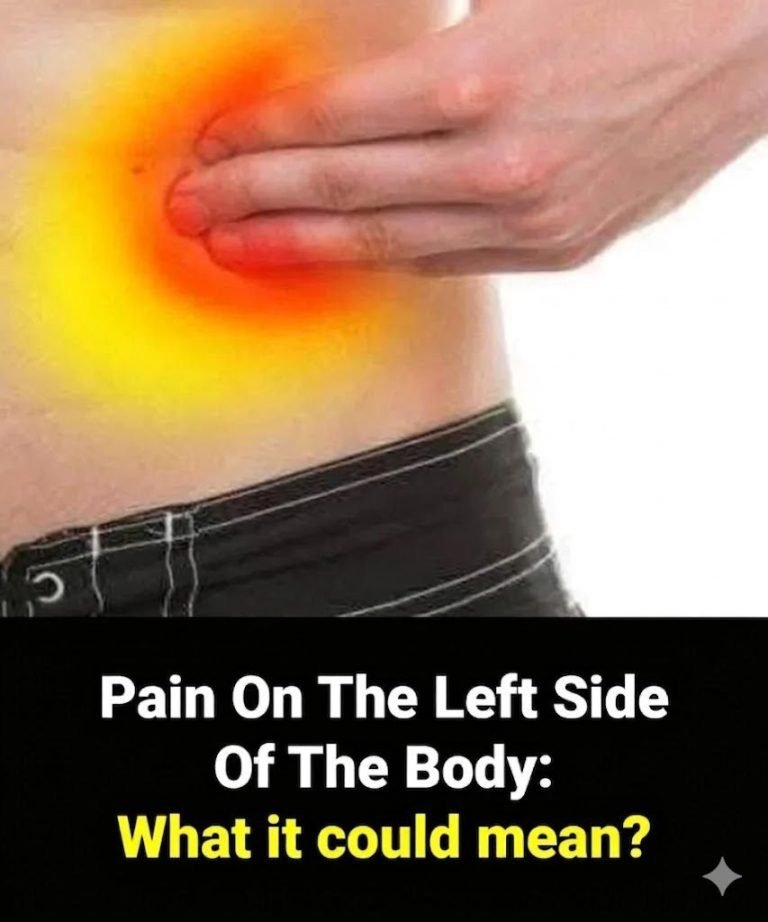
Pain on the Left Side of the Body: What It Could Mean — and When You Shouldn’t Ignore It
Left-side body pain can range from harmless muscle strain to serious medical emergencies. Learn common causes, warning signs, and when to seek help.
Pain on the Left Side of the Body: What It Could Mean — and When You Shouldn’t Ignore It
A strange ache starts on the left side of your body.
Maybe it’s under the ribs.
In the chest.
The shoulder.
The arm.
The lower abdomen.
At first, you ignore it.
Most people do.
You assume:
- bad posture
- stress
- sleeping awkwardly
- muscle tension
- indigestion
And sometimes, that’s exactly what it is.
But left-sided pain creates anxiety for a reason.
People immediately think:
“Could this be my heart?”
That fear alone can trigger panic.
The truth is more complicated.
Pain on the left side of the body can come from:
- muscles
- nerves
- digestion
- organs
- circulation
- stress responses
- inflammation
- or, in some cases, serious medical emergencies
The location, intensity, duration, and accompanying symptoms all matter enormously.
This article will help you understand:
- common causes of left-side pain
- how different symptoms feel
- warning signs that require urgent care
- harmless vs potentially serious causes
- when anxiety may play a role
- how doctors evaluate these symptoms
- what not to ignore
Important: This article is informational only and not a substitute for professional medical evaluation. Severe, sudden, or concerning symptoms should always be assessed by a qualified healthcare professional.
Why Left-Sided Pain Feels Especially Frightening
Most people associate the left side of the body with the heart.
That connection is deeply ingrained psychologically.
So even mild symptoms can trigger immediate anxiety.
But many structures exist on the left side besides the heart, including:
- muscles
- ribs
- nerves
- lungs
- stomach
- colon
- spleen
- kidneys
Pain can also “radiate,” meaning the source may originate somewhere else entirely.
That’s why self-diagnosis becomes difficult quickly.
Common Causes of Left-Side Body Pain
Some causes are minor.
Others require urgent medical attention.
The challenge is recognizing the difference.
1. Muscle Strain or Tension
This is one of the most common causes.
Pain may result from:
- lifting improperly
- exercise
- repetitive motion
- poor posture
- sleeping awkwardly
- stress-related tension
Typical signs include:
- soreness
- tenderness
- stiffness
- pain that worsens with movement
Stress can tighten muscles dramatically, especially around:
- shoulders
- chest
- neck
- upper back
2. Gas, Indigestion, or Digestive Issues
Digestive discomfort often causes left-sided pain unexpectedly.
Possible causes include:
- trapped gas
- acid reflux
- constipation
- stomach irritation
- irritable bowel syndrome (IBS)
Pain may feel:
- crampy
- bloated
- sharp
- shifting
Sometimes digestive pain mimics chest or rib discomfort closely.
3. Anxiety and Panic Attacks
This surprises many people.
Anxiety can create very real physical symptoms, including:
- chest tightness
- arm pain
- tingling
- muscle tension
- rapid heartbeat
- shortness of breath
When panic combines with left-sided chest sensations, fear often intensifies symptoms further.
However, anxiety should never automatically be assumed without ruling out serious conditions first.
4. Heart-Related Problems
This is the possibility most people fear—and for good reason.
Heart-related symptoms may include:
- chest pressure
- squeezing sensation
- pain radiating to left arm
- jaw discomfort
- shortness of breath
- sweating
- nausea
- dizziness
Heart attacks do not always feel dramatic.
Some people experience:
- mild pressure
- fatigue
- discomfort mistaken for indigestion
Women, older adults, and people with diabetes may experience less “classic” symptoms.
Immediate medical attention is critical if symptoms suggest a cardiac emergency.
5. Pinched Nerves or Nerve Irritation
Nerves running through the neck, spine, and shoulders can create pain radiating down the left side.
This may cause:
- burning sensations
- tingling
- numbness
- shooting pain
- weakness
Conditions like cervical nerve compression can mimic arm or chest problems surprisingly well.
6. Kidney Issues
Left-sided flank pain may involve kidney problems.
Possible symptoms include:
- back pain
- fever
- painful urination
- nausea
- urinary changes
Kidney stones can cause severe pain that radiates toward the abdomen or groin.
7. Spleen Problems
The spleen sits in the upper left abdomen.
Though less common, spleen enlargement or injury can cause:
- upper-left abdominal pain
- fullness
- tenderness
Trauma or certain illnesses may affect the spleen.
8. Lung Conditions
Issues involving the left lung may trigger:
- chest pain
- breathing discomfort
- coughing
- sharp pain during inhalation
Examples include:
- pneumonia
- pleurisy
- pulmonary embolism (medical emergency)
Breathing-related pain deserves careful evaluation.
The Difference Between Sharp, Dull, and Radiating Pain
Pain type often provides clues.
Sharp Pain
May suggest:
- nerve irritation
- muscle strain
- pleurisy
- sudden inflammation
Dull Aching Pain
Often linked to:
- tension
- digestive issues
- muscular discomfort
Pressure or Tightness
More concerning when associated with:
- chest symptoms
- shortness of breath
- exertion
Radiating Pain
Pain spreading into:
- arm
- jaw
- shoulder
- back
can sometimes signal cardiac or nerve-related involvement.
Warning Signs You Should Never Ignore
Seek urgent medical care immediately if left-sided pain occurs with:
- chest pressure
- shortness of breath
- fainting
- sudden weakness
- severe dizziness
- difficulty speaking
- facial drooping
- cold sweats
- severe sudden pain
- blue lips
- numbness
These may indicate medical emergencies.
Why Anxiety Makes Physical Symptoms Feel Worse
Fear amplifies body awareness dramatically.
Once people become worried about serious illness, they often:
- monitor every sensation intensely
- tense muscles unconsciously
- breathe shallowly
- increase adrenaline responses
This creates a difficult cycle:
fear increases symptoms, which increases fear further.
But again:
never assume symptoms are “just anxiety” without appropriate evaluation when needed.
Mini Scenario: The Chest Pain That Wasn’t a Heart Attack
A 38-year-old office worker developed left-sided chest tightness during a stressful workweek.
He became convinced he was having a heart attack.
After medical evaluation, doctors found severe muscle tension and panic-related symptoms—not cardiac disease.
The pain felt completely real because it was real.
Stress affects the body physically, not “imaginarily.”
Still, getting evaluated was the correct decision.
Why Self-Diagnosis Online Becomes Dangerous
Search engines often worsen fear.
People type:
“left side pain”
and immediately see:
- heart attack
- stroke
- cancer
- organ failure
This can trigger catastrophic thinking quickly.
At the same time, ignoring serious symptoms is also risky.
The goal is balanced response:
neither panic nor dismissal.
How Doctors Evaluate Left-Sided Pain
Medical evaluation may include:
- symptom history
- physical examination
- blood pressure
- heart monitoring
- blood tests
- imaging
- ECG/EKG
- neurological assessment
Doctors look for patterns, risk factors, and accompanying symptoms—not just pain location alone.
Lifestyle Factors That Commonly Trigger Left-Sided Discomfort
Sometimes daily habits contribute significantly.
Examples include:
- poor posture
- stress
- heavy lifting
- dehydration
- inactivity
- excessive sitting
- poor sleep
- digestive irritation
Modern lifestyles create surprising amounts of muscular and stress-related discomfort.
Comparison Table: Less Serious vs More Concerning Symptoms
| Often Less Serious | More Concerning |
|---|---|
| Muscle soreness | Chest pressure |
| Pain with movement only | Pain with shortness of breath |
| Mild bloating | Sudden severe pain |
| Temporary discomfort | Fainting or dizziness |
| Stress-related tightness | Pain radiating to jaw/arm |
| Local tenderness | Neurological symptoms |
This table is not diagnostic but helps illustrate general patterns.
Common Mistakes People Make
Mistake #1: Ignoring Persistent Symptoms
People often delay medical evaluation too long.
Fix: Seek professional advice if pain is severe, persistent, or unusual.
Mistake #2: Assuming Every Symptom Is a Heart Attack
Fear can escalate rapidly.
Fix: Stay calm while taking symptoms seriously.
Mistake #3: Self-Diagnosing Online
Internet searches frequently increase anxiety without providing clarity.
Fix: Use reliable medical guidance instead of panic-driven searching.
Mistake #4: Dismissing Stress Effects Entirely
Stress can absolutely create physical symptoms.
Fix: Recognize mind-body connections while still evaluating concerning symptoms appropriately.
Expert Insight: Pain Is a Signal, Not a Diagnosis
One of the biggest misconceptions about pain is assuming location alone identifies the problem.
It doesn’t.
Pain is the body’s alarm system.
But alarms can activate for many different reasons:
- injury
- stress
- inflammation
- organ issues
- nerve irritation
- circulation problems
That’s why proper evaluation focuses on the full picture.
The Future of Symptom Monitoring in 2026 and Beyond
Healthcare technology continues evolving rapidly.
Emerging tools may include:
- wearable cardiac monitoring
- AI-assisted symptom tracking
- home diagnostic sensors
- remote medical evaluations
- personalized risk prediction
But even advanced technology cannot fully replace professional clinical judgment and human evaluation.
Pros and Cons of Online Symptom Research
| Pros | Cons |
|---|---|
| Increases health awareness | Can trigger unnecessary fear |
| Encourages earlier evaluation | Often lacks context |
| Helps identify warning signs | May promote self-diagnosis |
| Provides educational information | Worst-case results dominate searches |
Frequently Asked Questions
Is left-sided pain always heart-related?
No. Muscles, nerves, digestion, lungs, kidneys, and stress can all cause left-sided pain.
When should left-side pain become an emergency?
Seek urgent care if pain involves chest pressure, breathing difficulty, fainting, severe weakness, or neurological symptoms.
Can anxiety cause left chest pain?
Yes. Anxiety and panic can create real chest tightness, muscle tension, and discomfort.
What does heart-related pain usually feel like?
It may involve pressure, squeezing, heaviness, radiating pain, sweating, or shortness of breath.
Can digestive problems mimic heart symptoms?
Yes. Acid reflux and gas can sometimes resemble chest discomfort.
Why does pain radiate into the left arm sometimes?
Nerve pathways and cardiac referral patterns can cause pain to spread into nearby areas.
Should I go to the ER for sudden chest pain?
If symptoms are severe, sudden, or concerning—especially with breathing difficulty or pressure—seek emergency care immediately.
Can poor posture cause left-sided pain?
Absolutely. Postural strain can affect muscles, nerves, and rib areas.
Is sharp pain always serious?
Not necessarily. Sharp pain may come from muscles or nerves, but severe or persistent pain still deserves evaluation.
Can dehydration or stress worsen symptoms?
Yes. Both can contribute to muscle tension, fatigue, dizziness, and discomfort.
Action Checklist: What To Do if You Experience Left-Sided Pain
What To Do
✔ Monitor symptom timing and intensity
✔ Seek urgent help for severe warning signs
✔ Stay hydrated and rest if symptoms are mild
✔ Pay attention to associated symptoms
✔ Reduce stress and muscle tension when appropriate
✔ Consult healthcare professionals for persistent discomfort
What To Avoid
✘ Ignoring severe symptoms
✘ Panicking immediately over every ache
✘ Relying entirely on internet self-diagnosis
✘ Assuming anxiety is always the cause
✘ Delaying emergency care when symptoms escalate
Final Thoughts
Pain on the left side of the body can mean many different things.
Sometimes it’s muscle tension after a stressful week.
Sometimes it’s indigestion.
Sometimes it’s anxiety.
And sometimes, it’s the body warning you about something serious.
The challenge is not becoming consumed by fear while still respecting your symptoms appropriately.
Because the smartest response is rarely panic—or denial.
It’s informed attention.
Listening carefully to your body while seeking proper medical evaluation when needed.
Left-sided body pain is often harmless, but certain symptoms should never be ignored. Understanding the difference between common discomfort and medical warning signs can make all the difference.