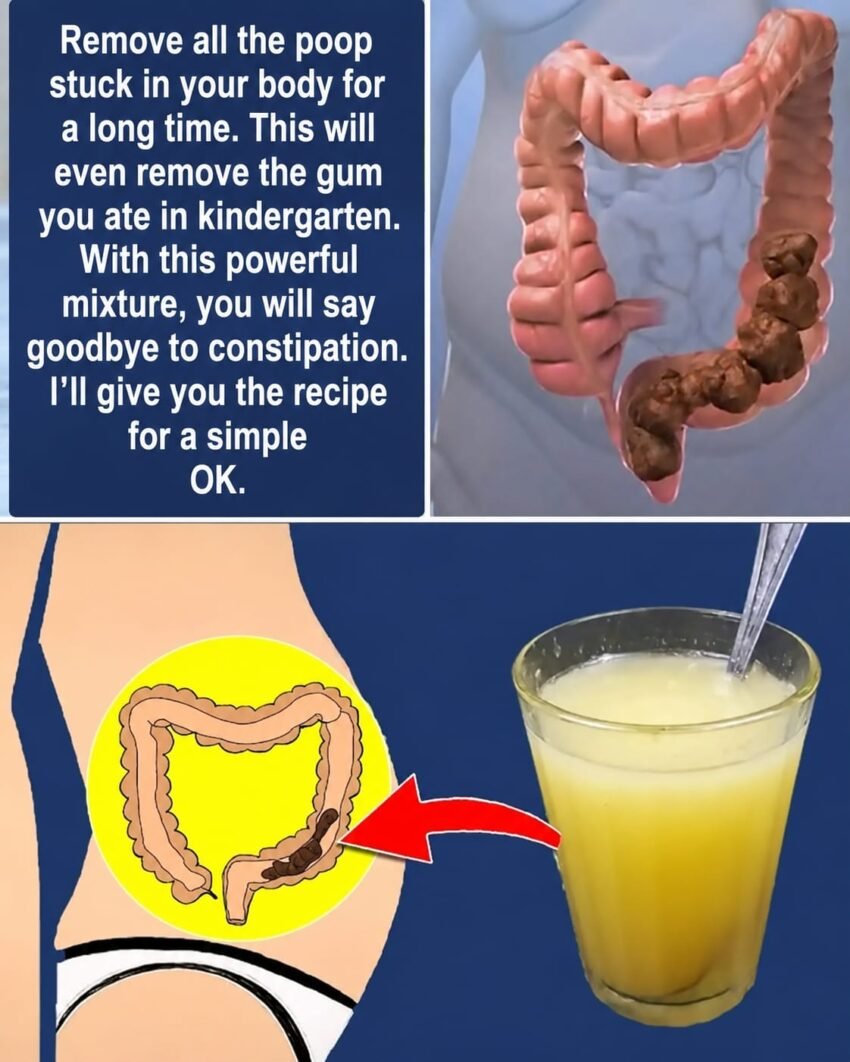
With Chia and Honey You Will Stay “Flat”: The Truth About Detox Claims, Digestion, and Weight Loss
Chia seeds and honey are often promoted for “flat stomach” detox effects. Here’s what they actually do for digestion, colon health, and weight loss.
Scroll through social media long enough and you’ll eventually see it:
“Take chia seeds with honey and you’ll stay flat… eliminate toxic waste… clean your colon… and lose weight fast.”
It’s a powerful promise.
Simple. Natural. Almost too easy.
And that’s usually where science starts tapping you on the shoulder.
Because while chia seeds and honey are both genuinely nutritious foods, the idea that they “clean your colon for weight loss” or permanently flatten your stomach overnight belongs more to marketing language than biology.
Let’s separate what’s real, what’s exaggerated, and what your body is actually doing when you eat them.
What Chia Seeds Actually Do in Your Body
Chia seeds are small, but metabolically interesting.
When exposed to liquid, they absorb water and form a gel-like coating. This is due to soluble fiber.
Inside your digestive system, this fiber:
- slows digestion
- increases feelings of fullness
- helps regulate bowel movements
- supports gut bacteria
That last point is important—but often misunderstood.
Chia seeds don’t “scrub” your colon. Instead, they support normal digestive function by increasing fiber intake, which helps stool move more efficiently through the intestines.
That’s very different from the idea of “detoxing waste buildup.”
Your body already has systems for that:
- liver
- kidneys
- digestive tract
They do not need cleansing teas, miracle seeds, or honey mixtures to function.
What Black Honey (or Regular Honey) Actually Does
Honey—whether dark or light—is primarily a natural sugar source with small amounts of:
- antioxidants
- trace minerals
- plant compounds (depending on variety)
“Black honey” is often marketed as more powerful, but scientifically, differences between honey types are relatively modest.
What honey does in your body:
- provides quick energy (glucose + fructose)
- may have mild antimicrobial properties
- can soothe throat irritation
- slightly influences gut bacteria in some contexts
But it does not:
- melt fat
- clean the colon
- remove toxins directly
- flatten the stomach on its own
It is still sugar.
And sugar behaves like sugar metabolically.
Where the “Flat Stomach” Claim Comes From
This is where marketing becomes persuasive.
People often feel “flatter” after eating high-fiber foods like chia seeds because:
1. Improved digestion
Fiber helps regulate bowel movements, which can reduce bloating caused by constipation.
2. Increased satiety
You feel full faster, which may reduce overeating.
3. Water absorption effects
Chia seeds expand in the stomach, creating a sense of fullness.
None of these equal fat loss.
They affect comfort and digestion, not body fat percentage.
The Myth of “Colon Cleansing for Weight Loss”
The phrase “clean your colon” is one of the most common wellness misconceptions online.
Here’s the biological reality:
Your colon is not a storage tank for “waste buildup” that needs scraping or flushing.
It is:
- constantly moving material forward
- lined with mucus for protection
- populated with beneficial bacteria
- self-regulating through peristalsis
When people feel “lighter” after certain foods, it’s usually due to:
- reduced bloating
- increased bowel movement frequency
- temporary water balance changes
Not toxin removal.
And certainly not fat loss.
Can Chia Seeds Help With Weight Management?
Yes—but indirectly.
Chia seeds may support weight management because they:
- increase fullness (satiety)
- slow digestion
- help stabilize blood sugar response
- reduce snacking frequency in some people
But they are not a standalone weight loss solution.
Weight loss still depends on:
- overall calorie balance
- protein intake
- activity level
- sleep quality
- long-term consistency
No single food overrides those fundamentals.
The Problem With “Miracle Ingredient” Thinking
Claims like “chia + honey melts belly fat” spread easily because they simplify something complex.
Weight management is emotionally frustrating for many people.
So the brain prefers:
- one ingredient solution
- fast results
- minimal effort narratives
But biology doesn’t operate in shortcuts.
Even healthy foods only work within broader systems.
Chia seeds can support digestion.
Honey can provide energy.
But neither rewrites metabolic laws.
What Happens When You Combine Chia and Honey
When you mix them, here’s what actually happens:
- chia absorbs liquid and expands
- honey adds sweetness and quick carbohydrates
- the mixture becomes more filling than honey alone
- digestion slows slightly due to fiber
This can create a feeling of lightness or control over appetite.
But it is not detoxification.
It is satiety physics—not cleansing chemistry.
Why People Feel “Lighter” After Eating It
That sensation usually comes from:
Reduced bloating
Fiber improves bowel movement regularity.
Less overeating
Feeling full leads to lower calorie intake later.
Hydration effects
Chia seeds absorb water, which can influence stomach volume temporarily.
These are real effects—but they are short-term and functional, not transformative fat loss mechanisms.
Common Misconceptions About This Trend
1. “It cleans toxins from the body”
False. Your liver and kidneys handle detoxification continuously.
2. “It flattens the stomach permanently”
No food permanently changes fat distribution.
3. “It melts belly fat”
Fat loss requires sustained energy deficit, not specific ingredients.
4. “It replaces diet and exercise”
It does not.
What Chia Seeds Are Actually Good For
Despite exaggerated claims, chia seeds are still nutritionally valuable:
- high fiber content
- plant-based omega-3 fatty acids
- moderate protein
- mineral content (calcium, magnesium, phosphorus)
They can be part of a balanced diet.
Just not a shortcut system.
A More Realistic Way to Use Them
Instead of thinking of chia + honey as a “fat-burning remedy,” a more accurate framing is:
- a filling breakfast addition
- a digestion-supporting food
- a snack that reduces cravings
For example:
- chia pudding with yogurt and fruit
- chia added to oatmeal
- light honey drizzle for flavor, not function
This aligns expectations with biology.
Why These Claims Go Viral
There are three main reasons:
1. Emotional appeal
People want simple answers to complex body concerns.
2. Visual simplicity
Two ingredients feel powerful because they are easy to remember.
3. Wellness language ambiguity
Words like:
- “clean”
- “detox”
- “flatten”
sound scientific but are rarely precise.
This combination creates strong engagement—even when accuracy is weak.
The Reality of “Flat Stomach” Culture
The idea of a permanently flat stomach is often unrealistic because:
- digestion naturally fluctuates
- water retention changes daily
- food volume affects appearance
- hormones influence bloating
Even very fit individuals experience variation.
So chasing constant flatness through single foods leads to frustration.
Final Thought
Chia seeds and honey are not dangerous myths—but they are often oversold.
They support digestion and satiety, not detox miracles or instant fat loss.
The body doesn’t need cleansing shortcuts.
It needs consistency.
Real food helps.
But only within the bigger picture of lifestyle and balance.
Chia seeds with honey can support digestion and fullness, but they do not “clean the colon,” remove toxins, or directly cause fat loss—their benefits are nutritional, not magical.