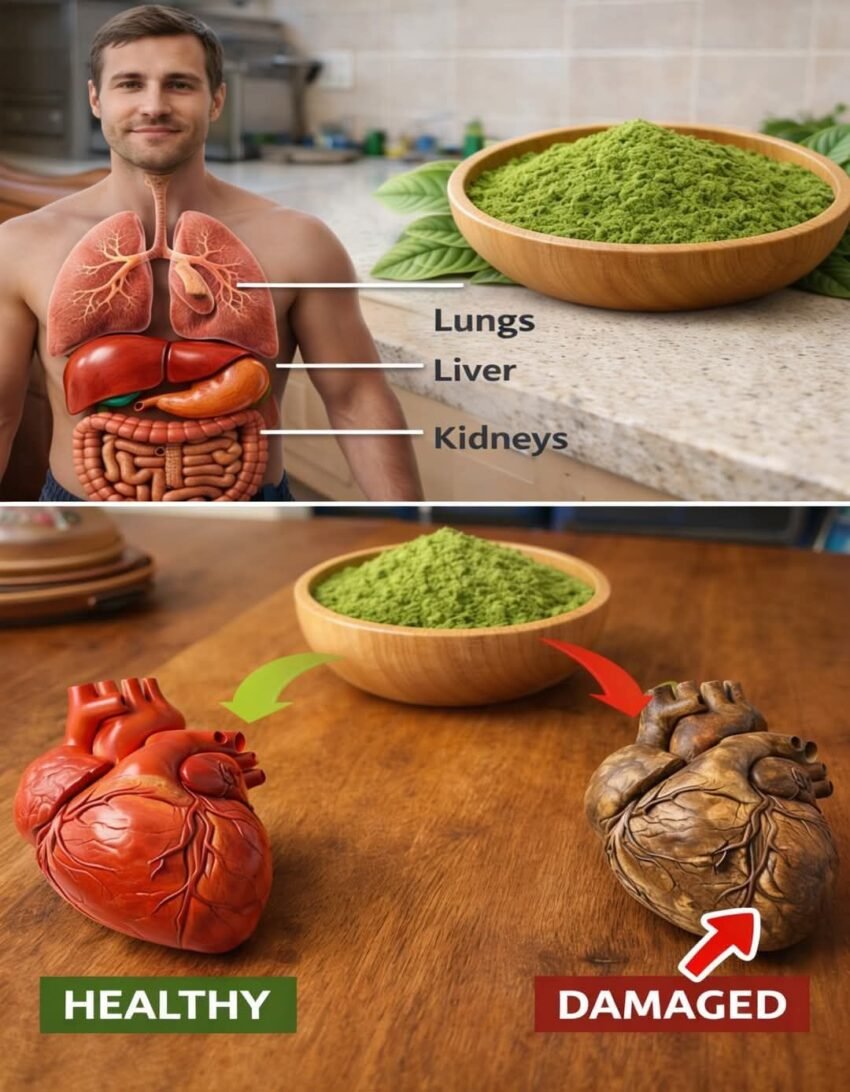
Benefits of Moringa Leaves for Heart Health: A Complete Guide
Discover how moringa leaves support heart health, reduce cholesterol, regulate blood pressure, and improve circulation naturally. Science-backed insights included.
Introduction: Why Moringa Is Called the “Miracle Tree”
Moringa oleifera, often called the miracle tree, has been used for centuries in traditional medicine. Its leaves are packed with nutrients, antioxidants, and bioactive compounds that may support heart health and overall wellness.
In this guide, you’ll learn:
-
How moringa leaves affect heart function
-
Key nutrients that support cardiovascular health
-
Practical ways to include moringa in your diet
-
Safety tips and precautions
1. Nutritional Profile of Moringa Leaves
Moringa leaves are incredibly nutrient-dense:
-
Vitamins: A, C, E, K, B-complex
-
Minerals: Calcium, potassium, magnesium, iron
-
Antioxidants: Quercetin, chlorogenic acid, beta-carotene
-
Protein & Amino Acids: Support cellular function
These nutrients contribute directly and indirectly to heart health.
2. How Moringa Supports Heart Health
a. Reduces Cholesterol Levels
High LDL cholesterol is a major risk factor for heart disease.
-
Studies show moringa leaf extracts may lower LDL and total cholesterol.
-
It contains fiber and plant sterols, which help reduce cholesterol absorption.
Practical Tip: Daily moringa leaf powder can complement a low-saturated-fat diet.
b. Regulates Blood Pressure
Potassium-rich foods help manage hypertension.
-
Moringa leaves contain potassium and magnesium, essential for blood vessel relaxation and fluid balance.
-
Animal studies suggest moringa leaf extracts may help reduce high blood pressure naturally.
c. Anti-Inflammatory Effects
Chronic inflammation contributes to atherosclerosis.
-
Moringa leaves contain isothiocyanates and flavonoids that fight inflammation.
-
Reduced inflammation supports arterial health and lowers cardiovascular risk.
d. Protects Against Oxidative Stress
Oxidative stress damages heart tissues and accelerates aging of blood vessels.
-
Moringa leaves are rich in antioxidants like quercetin and vitamin C.
-
They neutralize free radicals, reducing arterial damage and improving heart function.
e. Improves Circulation
Some studies suggest moringa may enhance blood flow and prevent clot formation.
-
The combination of anti-inflammatory and antioxidant effects helps maintain healthy blood vessels.
3. How to Include Moringa Leaves in Your Diet
Fresh Leaves
-
Add to salads, soups, or stews.
-
Lightly sauté for maximum nutrient retention.
Dried Powder
-
Mix 1 teaspoon into smoothies, juices, or teas.
-
Can be added to yogurt or oatmeal.
Capsules or Extracts
-
Convenient for consistent dosage.
-
Choose standardized, high-quality products.
Tip: Start with small amounts (½–1 teaspoon powder per day) to see how your body reacts.
4. Research-Backed Benefits for the Heart
| Study | Findings |
|---|---|
| Journal of Ethnopharmacology | Moringa leaf extract lowered cholesterol and triglycerides in animal models. |
| Phytotherapy Research | Leaf powder showed blood pressure-lowering effects in hypertensive rats. |
| Nutrition & Metabolism | Antioxidant compounds in moringa reduced oxidative stress markers. |
While human studies are growing, traditional use and animal studies suggest promising cardiovascular benefits.
5. Precautions and Considerations
-
Pregnancy: Avoid high-dose moringa root and bark; leaves are generally safe in moderate amounts.
-
Medication interactions: May affect blood sugar or blood pressure medications. Consult a doctor if taking prescription drugs.
-
Allergic reactions: Rare but possible; start with a small amount.
6. Tips for Maximizing Heart Benefits
-
Combine moringa with a heart-healthy diet (fruits, vegetables, whole grains).
-
Maintain regular physical activity.
-
Monitor blood pressure and cholesterol regularly.
-
Use fresh or minimally processed leaves for maximum antioxidants.
Frequently Asked Questions
1. Can moringa replace heart medications?
No. Moringa may support heart health but should not replace prescribed medications.
2. How much moringa should I take daily?
Start with ½–1 teaspoon powder per day; some sources suggest up to 2 teaspoons, but gradual introduction is best.
3. Are moringa leaves safe long-term?
Yes, fresh or powdered leaves are generally safe for most adults when consumed in moderation.
4. Can moringa help lower triglycerides?
Yes, studies show potential reduction in triglyceride levels with regular consumption.
5. Can children consume moringa leaves?
Yes, in small amounts, such as in soups or smoothies.
Conclusion: A Simple, Natural Way to Support Your Heart
Moringa leaves are a nutrient powerhouse that can help:
-
Reduce cholesterol
-
Support healthy blood pressure
-
Combat inflammation
-
Protect against oxidative stress
While not a replacement for medical care, incorporating moringa leaves into your diet can be a simple, natural step toward better cardiovascular health.
Your Turn
Have you tried moringa leaves for heart health?
-
Fresh in salads?
-
Powder in smoothies?
-
Or capsules?
Share your experience below and help others discover this natural, heart-supportive superfood.