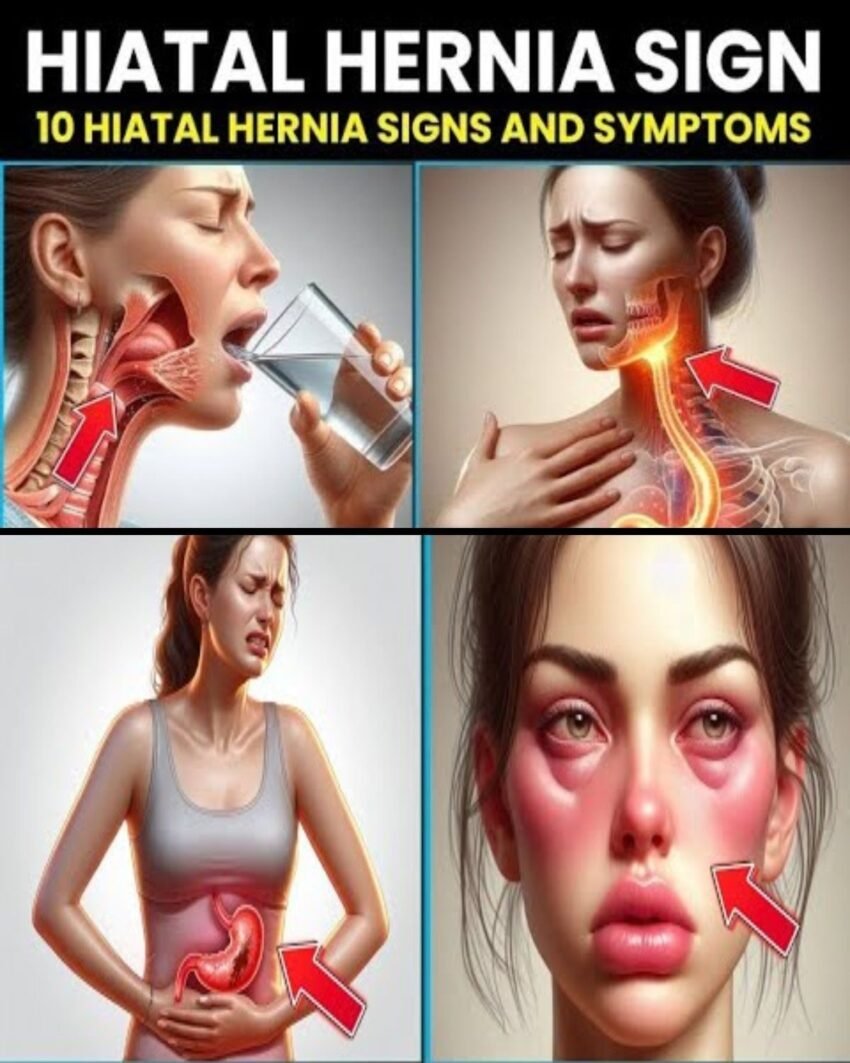
10 Hiatal Hernia Signs and Symptoms You Should Know
Learn the 10 common signs and symptoms of a hiatal hernia. Early recognition can help manage discomfort and prevent complications.
Introduction: Understanding Hiatal Hernias
A hiatal hernia occurs when part of the stomach pushes up through the diaphragm into the chest cavity. While some people may never experience symptoms, others can have discomfort that affects daily life.
Knowing the early warning signs can help you take action, manage symptoms, and prevent complications.
In this article, we’ll cover:
-
The most common hiatal hernia symptoms
-
When to seek medical attention
-
Lifestyle tips to ease discomfort
1. Heartburn or Acid Reflux
What it feels like:
-
A burning sensation in the chest or throat
-
Often worse after eating or when lying down
Why it happens:
-
Stomach acid can flow back into the esophagus because of the hernia.
Tip: Avoid large meals and stay upright for at least 2–3 hours after eating.
2. Regurgitation
What it feels like:
-
Sour or bitter-tasting fluid rising into the mouth
-
Can cause a chronic cough or sore throat
Why it happens:
-
The hernia allows stomach contents to flow backward into the esophagus.
3. Difficulty Swallowing (Dysphagia)
-
Feeling food gets stuck in the chest or throat
-
Can be intermittent or persistent
Tip: Eat slowly and chew thoroughly; discuss persistent difficulty with a doctor.
4. Chest Pain or Discomfort
-
May feel like pressure, burning, or sharp pain behind the breastbone
-
Can mimic heart-related symptoms, so always rule out cardiac causes first
5. Bloating and Belching
-
Excess gas, frequent burping, or feeling full quickly
-
Can be exacerbated by carbonated drinks or overeating
6. Shortness of Breath
-
Particularly noticeable when lying down
-
Stomach pressing against the diaphragm can make breathing slightly more difficult
7. Nausea
-
Occasional nausea, especially after heavy meals
-
Can be mild to moderate
8. Feeling Full Quickly
-
Early satiety even after eating small meals
-
A sign that the hernia may be affecting stomach capacity or emptying
9. Vomiting
-
More severe symptom, usually in larger or paraesophageal hernias
-
Requires immediate medical evaluation if persistent
10. Iron-Deficiency Anemia
-
Occurs if the hernia causes chronic bleeding in the esophagus or stomach lining
-
Can cause fatigue, weakness, and pale skin
When to See a Doctor
Seek medical attention if you experience:
-
Severe chest pain
-
Difficulty swallowing
-
Persistent vomiting
-
Unexplained weight loss or anemia
Diagnostics may include:
-
Upper endoscopy
-
Barium swallow X-ray
-
Esophageal manometry or pH monitoring
Lifestyle Tips to Reduce Symptoms
-
Eat smaller, frequent meals instead of large meals
-
Avoid spicy, fatty, or acidic foods
-
Stay upright after eating
-
Maintain a healthy weight to reduce pressure on the abdomen
-
Elevate the head of your bed by 6–8 inches to reduce nighttime reflux
Frequently Asked Questions
Q1: Can a hiatal hernia be cured?
Lifestyle changes and medication can manage most symptoms, but surgery may be needed in severe cases.
Q2: Are hiatal hernias common?
Yes. They are more common in people over 50 and those who are overweight.
Q3: Does everyone with a hiatal hernia have symptoms?
No. Many people are asymptomatic and may discover it incidentally during imaging for another condition.
Q4: Can stress make symptoms worse?
Yes. Stress can worsen acid reflux and heartburn, which are common hernia symptoms.
Q5: What foods should I avoid?
Spicy foods, coffee, chocolate, fatty foods, and carbonated drinks can worsen symptoms.
Conclusion: Early Awareness Matters
Hiatal hernias are common, and knowing the signs and symptoms is the first step toward managing them effectively. By adopting lifestyle changes, eating habits, and seeking medical guidance when needed, most people can live comfortably without severe complications.
“Recognizing the subtle signs early can help you prevent discomfort and improve your quality of life.”
Your Turn:
Have you experienced any of these symptoms? Share your story or tips for managing hiatal hernia symptoms in the comments below.