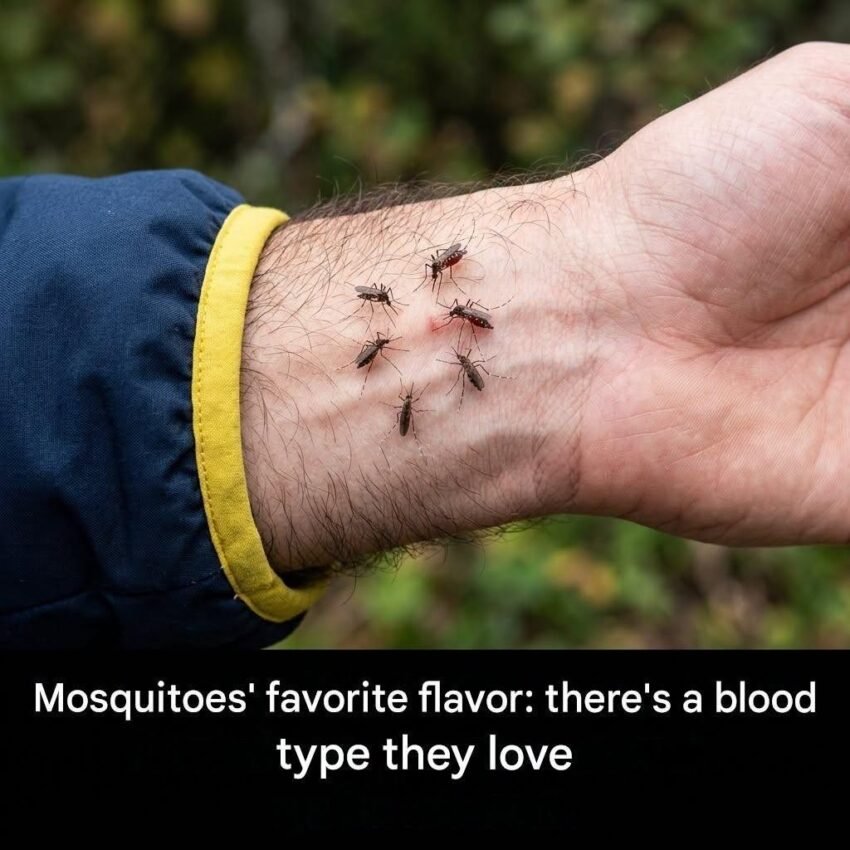
A Favorite Victim of Mosquitoes? Discover What Attracts Them to Your Home
Why do mosquitoes seem to love your home? Discover what attracts them, where they hide, and practical ways to make your yard less inviting.
Have you ever wondered why mosquitoes seem to find your home while barely bothering the house next door?
It may feel personal, but mosquitoes are not randomly choosing their targets. They respond to a combination of smells, carbon dioxide, body heat, moisture, standing water, and environmental conditions.
And sometimes, the biggest reason mosquitoes keep returning isn’t inside your house at all.
It may be hiding in your backyard.
Understanding what attracts mosquitoes can help you reduce the conditions that make your property appealing—and potentially make outdoor evenings much more comfortable.
Why Do Mosquitoes Come Near Your Home?
Mosquitoes use several cues to locate people.
One of the most important is carbon dioxide, which humans and animals release when they breathe. Mosquitoes can detect changes in carbon dioxide concentration and use it as one signal that a potential host is nearby.
They can also respond to body heat, odors, and other chemical signals from human skin.
Your home can therefore become a convenient mosquito environment when it provides two things at once:
People to feed on and suitable places to reproduce or rest.
The second part is often overlooked.
Standing Water Is One of the Biggest Problems
Mosquitoes need water to reproduce.
That doesn’t necessarily mean a large pond or swimming pool.
A surprisingly small amount of stagnant water can provide a breeding opportunity for some mosquito species.
Look around your property for:
- Flowerpot saucers
- Buckets
- Children’s toys
- Birdbaths
- Wheelbarrows
- Clogged gutters
- Outdoor containers
- Unused plant pots
- Pool covers
- Tarps that collect rainwater
- Low spots where water remains after rain
If water can collect and remain stagnant, it deserves attention.
The simplest solution is often the most effective: empty it, remove it, cover it, or prevent it from collecting water in the first place.
Your Gutters Could Be Helping Mosquitoes
Gutters are designed to move rainwater away from your home.
But when leaves, dirt, or debris block them, water can remain trapped.
That creates exactly the kind of small aquatic environment mosquitoes can exploit.
Check gutters and downspouts periodically, particularly after storms or during seasons when leaves accumulate.
A mosquito problem that seems mysterious can sometimes be traced back to a forgotten gutter full of stagnant water.
Your Yard May Be Too Wet
Mosquitoes prefer environments where moisture is readily available.
Overwatering plants, poorly draining areas, leaking outdoor faucets, and irrigation problems can create persistently damp conditions.
This doesn’t mean you need to turn your yard into a desert.
Instead, look for unnecessary moisture.
If one area remains wet long after the rest of the yard has dried, investigate why.
Fixing drainage or irrigation problems can make the environment less attractive to mosquitoes and may also benefit your plants.
Dense Vegetation Gives Mosquitoes Places to Rest
Mosquitoes don’t spend every moment searching for a blood meal.
During periods of inactivity, many species rest in cool, shaded, humid areas.
Overgrown vegetation can therefore provide shelter.
Dense shrubs, tall grass, weeds, and vegetation close to the home can create favorable resting areas.
Regular yard maintenance can reduce some of these hiding places.
You don’t need to remove every plant.
The goal is to avoid creating an excessively dense, damp environment immediately around areas where people spend time.
Why Mosquitoes Seem Worse at Certain Times
Mosquito activity varies by species, weather, location, and season.
Some mosquitoes are most active around dawn and dusk.
Others can bite during the daytime.
Warm temperatures can increase mosquito activity, while environmental conditions such as rainfall and humidity can influence populations.
This is why a backyard that feels perfectly comfortable one week can suddenly become unbearable after a period of warm, wet weather.
Your Porch May Be an Ideal Mosquito Zone
Think about where you spend summer evenings.
A shaded porch with plants, moisture, standing water, and people sitting still for long periods can provide mosquitoes with nearly everything they need.
The porch itself isn’t necessarily the problem.
Look at the surroundings.
Are there containers holding water?
Are plants densely packed?
Is there poor drainage?
Are gutters nearby?
Does water accumulate under the deck?
Small environmental changes can sometimes make a noticeable difference.
Mosquitoes Are Attracted to People—But Not Everyone Equally
People often say, “Mosquitoes love me.”
There is some truth behind individual differences in mosquito attraction.
Human body odor varies from person to person, and research has shown that mosquitoes can respond differently to different skin-associated chemical profiles.
This doesn’t mean mosquitoes have a simple preference for one “blood type” or that one household member is guaranteed to be the favorite.
Mosquito behavior is influenced by multiple factors.
That is why two people sitting next to each other can sometimes experience very different numbers of bites.
Does Sweat Attract Mosquitoes?
Sweat itself is not the entire story.
Mosquitoes respond to chemicals associated with human skin and perspiration, as well as carbon dioxide and other cues.
Exercise can temporarily change body temperature, breathing rate, and skin chemistry.
So if you finish a workout and immediately sit outside, you may become a particularly detectable target.
That doesn’t mean you need to stop exercising outdoors.
It simply helps explain why mosquitoes can seem especially aggressive during warm evenings after physical activity.
What About Outdoor Lights?
Mosquitoes are not simply flying toward every light they see.
Their behavior around artificial light varies by species and environmental conditions.
So replacing every outdoor bulb with a “mosquito-proof” light is unlikely to solve a serious mosquito problem by itself.
If mosquitoes are overwhelming your yard, focus first on breeding sites, standing water, vegetation, and physical protection.
Lighting can be considered part of the overall strategy rather than the main solution.
Can Certain Plants Keep Mosquitoes Away?
You may have seen claims that planting lavender, citronella, basil, mint, or other strongly scented plants will create a mosquito-free yard.
The reality is more complicated.
Some plant-derived compounds have mosquito-repelling properties under particular conditions.
But simply planting those plants around your yard does not necessarily provide the same protection as a properly formulated repellent.
A plant may smell strongly when its leaves are crushed or oils are extracted, while sitting beside the intact plant may have little effect on mosquito behavior.
Treat “mosquito-repelling plants” as a possible landscaping choice—not a guaranteed mosquito-control system.
What Actually Helps Reduce Mosquito Bites?
A layered approach works better than relying on one trick.
Remove breeding sites
Walk around your property after rain and look for containers or objects holding water.
Maintain gutters
Keep gutters and drainage systems clear.
Improve drainage
Address areas where water repeatedly accumulates.
Maintain vegetation
Trim excessively dense vegetation near frequently used outdoor spaces.
Use screens
Keep window and door screens in good condition and repair holes.
Use an effective repellent
When spending time outdoors, use an EPA-registered insect repellent according to its label directions.
Wear appropriate clothing
Long sleeves and long pants can reduce exposed skin when practical.
Why Screens Matter So Much
A surprisingly simple defense is keeping mosquitoes outside in the first place.
Inspect window screens, door screens, and screen doors for holes or gaps.
Pay attention to areas around doors.
A door that remains open for long periods can provide an easy entry route.
If mosquitoes are consistently appearing indoors, don’t assume they are somehow “coming through the walls.”
Check screens, doors, standing water, and other possible entry points.
What About Fans?
Fans can make outdoor spaces more comfortable for several reasons.
Moving air can make it harder for some mosquitoes to fly and can disperse carbon dioxide and human odors around a person.
A fan is not a guaranteed mosquito-control method, but using one on a porch or patio can be a useful part of a broader strategy.
It also has the advantage of keeping you cool on hot evenings.
Why You Shouldn’t Ignore Mosquitoes
Mosquito bites are more than an annoyance.
Depending on where you live and which mosquito species are present, mosquitoes can transmit diseases such as West Nile virus, dengue, Zika, chikungunya, and malaria.
The specific diseases and risks vary dramatically by location.
In the United States, West Nile virus is an important mosquito-borne disease, while other mosquito-borne illnesses can become relevant during travel or in particular geographic areas.
This is why mosquito prevention is not simply about avoiding itchy bumps.
A 10-Minute Mosquito Inspection
You don’t need complicated equipment to start.
Walk around your property and check:
Step 1: Look for standing water.
Step 2: Empty containers that have collected rain.
Step 3: Check plant saucers.
Step 4: Inspect gutters and downspouts.
Step 5: Look underneath outdoor furniture and equipment.
Step 6: Check toys, buckets, and gardening equipment.
Step 7: Look for wet areas caused by irrigation.
Step 8: Inspect screens around doors and windows.
Step 9: Identify dense vegetation immediately around sitting areas.
Step 10: Repeat the inspection after significant rainfall.
That last step matters.
A mosquito-control routine that works during a dry week may fail after a major storm.
Common Mistakes Homeowners Make
Only looking for large pools of water
Mosquitoes can use surprisingly small containers.
Spraying without removing breeding sites
Killing adult mosquitoes may provide temporary relief, but new mosquitoes can continue emerging if breeding sites remain.
Treating only the inside of the house
If mosquitoes are coming from your yard, indoor spraying won’t solve the underlying problem.
Assuming clean yards cannot have mosquitoes
A well-maintained property can still contain breeding sites.
Relying on one “miracle” solution
Mosquito control usually works best as a combination of environmental management and personal protection.
When Professional Mosquito Control Makes Sense
If mosquitoes remain severe despite removing obvious breeding sites, professional pest-control assistance may be worth considering.
A qualified professional can inspect the property for breeding areas you may have missed and determine whether additional control measures are appropriate.
This can be especially useful for larger properties, homes near wetlands, or areas experiencing unusually high mosquito activity.
A Simple Before-and-After Strategy
Imagine a family that avoids its backyard every summer because mosquitoes become unbearable after sunset.
Instead of immediately buying multiple sprays, they inspect the property.
They find a clogged gutter, two flowerpot saucers holding water, an overturned children’s toy containing rainwater, and an irrigation line creating a permanently damp patch.
They correct those problems.
They repair a damaged screen door and begin using an appropriate repellent when sitting outside.
The mosquitoes don’t magically disappear.
But the family has removed several conditions that were making the property more attractive.
That’s the goal.
Mosquito control is rarely about finding one secret trick. It’s about removing opportunities.
Frequently Asked Questions
Why are mosquitoes suddenly everywhere around my house?
A change in weather, rainfall, temperature, humidity, or nearby breeding conditions can cause mosquito activity to increase quickly. Inspect your property for new standing-water sources after rain.
Why do mosquitoes keep coming back after I spray?
Spraying may reduce adult mosquitoes temporarily, but it may not eliminate breeding sites. If stagnant water remains nearby, new mosquitoes can continue to emerge.
What attracts mosquitoes to a backyard?
Standing water, suitable resting vegetation, warmth, humidity, and the presence of people can all contribute to mosquito activity.
Why do mosquitoes bite me more than other people?
Individual differences in body odor and other physiological cues can affect mosquito attraction. However, mosquito behavior varies by species and environment, so there isn’t one simple explanation.
Can mosquitoes breed in a small amount of water?
Yes. Some mosquito species can reproduce in relatively small water-holding containers, which is why flowerpot saucers, buckets, toys, and clogged gutters deserve attention.
Does keeping the grass short eliminate mosquitoes?
No. Mowing can reduce some vegetation that provides resting habitat, but mosquitoes can still breed in standing water and rest in other shaded areas.
Do citronella plants keep mosquitoes away?
Simply having a citronella plant nearby should not be considered reliable mosquito protection. Repellent products containing proven active ingredients generally provide more dependable protection when used according to their labels.
Can mosquitoes get inside my house?
Yes. They can enter through open doors, damaged screens, and other openings. Keeping screens intact and reducing entry opportunities can help.
Are mosquito bites dangerous?
Most bites cause temporary itching and irritation, but mosquitoes can transmit diseases. The risk depends heavily on the mosquito species and location.
Your Mosquito-Proofing Checklist
Around the home:
- ☐ Empty standing water
- ☐ Clean gutters
- ☐ Check downspouts
- ☐ Empty plant saucers
- ☐ Turn over unused containers
- ☐ Check children’s toys
- ☐ Fix irrigation leaks
- ☐ Improve poor drainage
- ☐ Trim excessively dense vegetation
- ☐ Repair window and door screens
When outdoors:
- ☐ Use an appropriate EPA-registered repellent
- ☐ Wear protective clothing when practical
- ☐ Consider using a fan on patios
- ☐ Avoid unnecessary exposure during peak mosquito activity
- ☐ Take extra precautions when local mosquito-borne disease activity is high
If mosquitoes seem unusually attracted to your home, don’t immediately blame your body—or assume you simply have “bad luck.”
Start with your surroundings.
Standing water, clogged gutters, damp areas, dense vegetation, and easy access to people can turn an ordinary property into a mosquito-friendly environment.
The good news is that many of these conditions can be changed.
Take a short walk around your property, remove water where mosquitoes can breed, protect doors and windows, and use an effective repellent when needed.
You may not be able to eliminate every mosquito in your neighborhood.
But you can make your home a much less inviting place for them to live, breed, and bite.
Health note: Mosquito-borne disease risk varies by location and season. Follow local public-health guidance, especially during periods of increased mosquito-borne illness activity. If you develop concerning symptoms after a mosquito bite or travel to an area where mosquito-borne diseases are common, contact a healthcare professional.