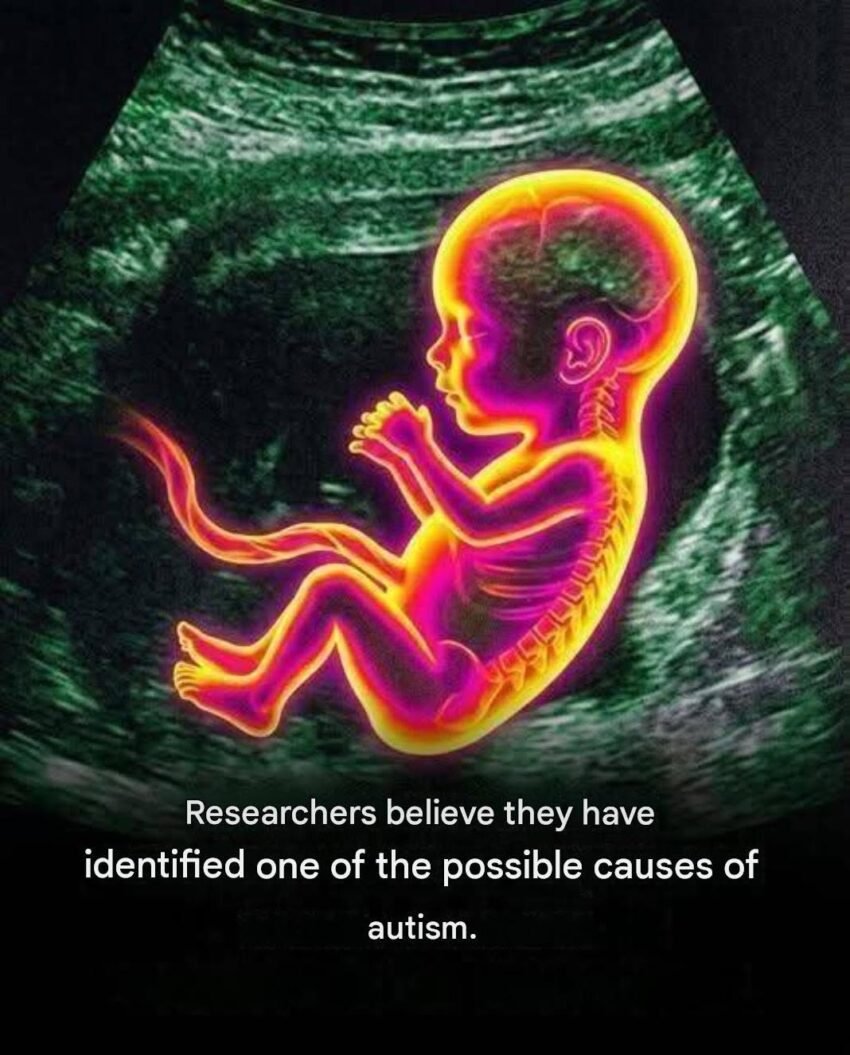
Decoding the Science: What Modern Research Actually Says About Links to Autism Development
Headlines frequently highlight new scientific studies pointing toward unexpected environmental exposures, genetic variants, or prenatal factors linked to autism spectrum disorder (ASD). Because autism impacts millions of families worldwide, these announcements naturally generate immense public interest and anxiety.
Navigating these findings requires separating robust, peer-reviewed epidemiological data from oversimplified media hype. Understanding how researchers investigate autism risk helps clarify what these links actually mean for future prevention, diagnosis, and support.
The Multifactorial Nature of Autism
Decades of intensive neurodevelopmental research have established a fundamental truth: autism does not have a single cause.
Instead, clinical consensus views ASD as a complex, heterogeneous neurodevelopmental condition arising from a dynamic interplay between polygenic architecture and early prenatal environmental influences. Rather than pointing to a solitary trigger, modern science focuses on how various biological and genetic factors alter early brain connectivity and neuronal communication during fetal development.
Key Factors Linked to Autism Risk in Modern Research
When contemporary studies highlight a potential link to autism development, they typically fall into one of three primary categories investigated by geneticists and epidemiologists.
1. Expanding Genetic Architecture
Genetics remains the primary and most thoroughly documented driver of autism, accounting for an estimated 60% to 90% of overall risk based on twin and family studies.
-
Recent Discoveries: Large-scale genomic studies continue to map hundreds of specific genes and spontaneous (de novo) mutations associated with brain synaptic function and neurodevelopment.
-
Biological Subtypes: Recent machine-learning analyses have helped categorize autism into distinct biological subtypes, explaining why genetic profiles and behavioral traits vary so widely across the spectrum.
2. Prenatal and Early-Life Environmental Influences
In a clinical context, “environmental factors” refer to biological influences during fetal development inside the womb, rather than post-birth parenting or lifestyle choices. Studies frequently examine factors such as:
-
Advanced Parental Age: Statistically correlated with a slightly elevated likelihood of spontaneous genetic mutations during conception.
-
Maternal Health and Immune Factors: Gestational diabetes, severe systemic inflammation, or specific prenatal complications that impact fetal oxygen supply or neurological development.
-
Air Pollution and Chemical Exposure: Emerging epidemiological studies occasionally highlight statistical correlations between chronic exposure to heavy traffic-related air pollution or specific agricultural chemicals during pregnancy and altered neurodevelopmental outcomes.
3. Shared Genetic Overlaps with Other Conditions
Research increasingly demonstrates that autism rarely exists in total isolation. Large-scale psychiatric genetics studies show overlapping patterns in brain connectivity and gene expression between autism and conditions like ADHD, anxiety, and epilepsy, suggesting shared underlying biological pathways.
Step-by-Step Guide: How to Critically Evaluate New Autism Studies
When a sensationalized headline declares that a new study has found a “link to autism,” use this structured framework to assess the validity of the claim.
-
Distinguish Correlation From Causation: Ask whether the study proves a direct cause-and-effect relationship or simply identifies a statistical correlation (association) within a specific population cohort.
-
Examine the Sample Size and Methodology: Look past the press release. Was the study conducted on human clinical populations with thousands of participants, or was it an animal model or a small observational survey?
-
Check for Confounding Variables: Consider whether other factors—such as socioeconomic status, access to healthcare, or maternal health conditions—explain the statistical link better than the headline variable.
-
Consult Reputable Medical Bodies: Cross-reference breaking health claims with trusted scientific organizations like the American Academy of Pediatrics, the National Institutes of Health (NIH), or Autism Speaks.
-
Remember What Science Has Ruled Out: Ground your understanding in settled science. Decades of massive, global epidemiological studies involving millions of children have definitively proven that vaccines do not cause autism.
Comparative Analysis: Proven Genetic Drivers vs. Investigated Environmental Links
| Category | Primary Focus / Mechanism | Strength of Scientific Evidence |
| Genetic Factors | Inherited gene variants and spontaneous (de novo) mutations affecting neural synapses | Highly robust; established as the primary driver of ASD risk |
| Prenatal & Maternal Health | Gestational complications, metabolic health, and advanced parental age | Moderate statistical correlation; acts as a modifying factor during early brain formation |
| External Pollutants & Toxins | Traffic-related air pollution, heavy metals, or pesticide proximity | Ongoing investigation; correlations suggest modest risk amplification requiring further replication |
Common Mistakes and How to Avoid Them
-
Mistake 1: Confusing Risk Factors with Direct Causes. Assuming that because a study finds a statistical link between an environmental exposure and autism, that exposure automatically guarantees a child will develop ASD.
-
The Fix: Understand that biological risk factors merely increase statistical probability; they are rarely singular, deterministic causes.
-
-
Mistake 2: Falling for Blame Culture. Attributing neurodevelopmental differences to parental behavior, diet, or routine lifestyle choices.
-
The Fix: Recognize that autism is a deeply rooted neurobiological and genetic difference established during early embryogenesis, completely independent of parenting styles.
-
Frequently Asked Questions
Do vaccines play any role in the development of autism?
No. Extensive, rigorous, global scientific research involving millions of children over decades has repeatedly and definitively proven that there is zero link between vaccines (including the MMR vaccine) and autism.
Why does autism diagnosis rates appear to be rising?
The apparent rise in autism prevalence is driven by significantly improved public awareness, broader and more inclusive diagnostic criteria, better screening tools implemented during routine pediatric visits, and earlier clinical detection.
Can a blood test or genetic screen predict autism at birth?
While comprehensive genomic sequencing can identify rare monogenetic conditions or high-risk genetic variants associated with autism and co-occurring medical needs, routine screening relies primarily on behavioral milestones and developmental observation by pediatric specialists.
What is the difference between correlation and causation in autism studies?
Correlation means two factors appear together statistically (e.g., a certain prenatal condition and higher autism rates), while causation means proving scientifically that the first factor directly caused the second to happen. Most environmental studies identify correlations that require years of replication to understand fully.
Are boys more likely to be diagnosed with autism than girls?
Yes, autism is diagnosed significantly more often in boys than in girls. Recent research highlights that diagnostic tools may sometimes be less sensitive to how autism traits present in females, contributing to underdiagnosis or later-in-life identification for girls.
How do genetic subtypes change the future of autism care?
Identifying distinct biological and genetic subtypes helps move the medical community away from a one-size-fits-all model toward precision medicine, allowing clinicians to tailor support, educational strategies, and targeted therapies to an individual’s unique neurobiology.
Science is a continuous journey of discovery, and every new study exploring potential links to autism deepens our understanding of early human development. By relying on rigorous, peer-reviewed evidence rather than sensationalized headlines, we can better support neurodivergent individuals and their families.