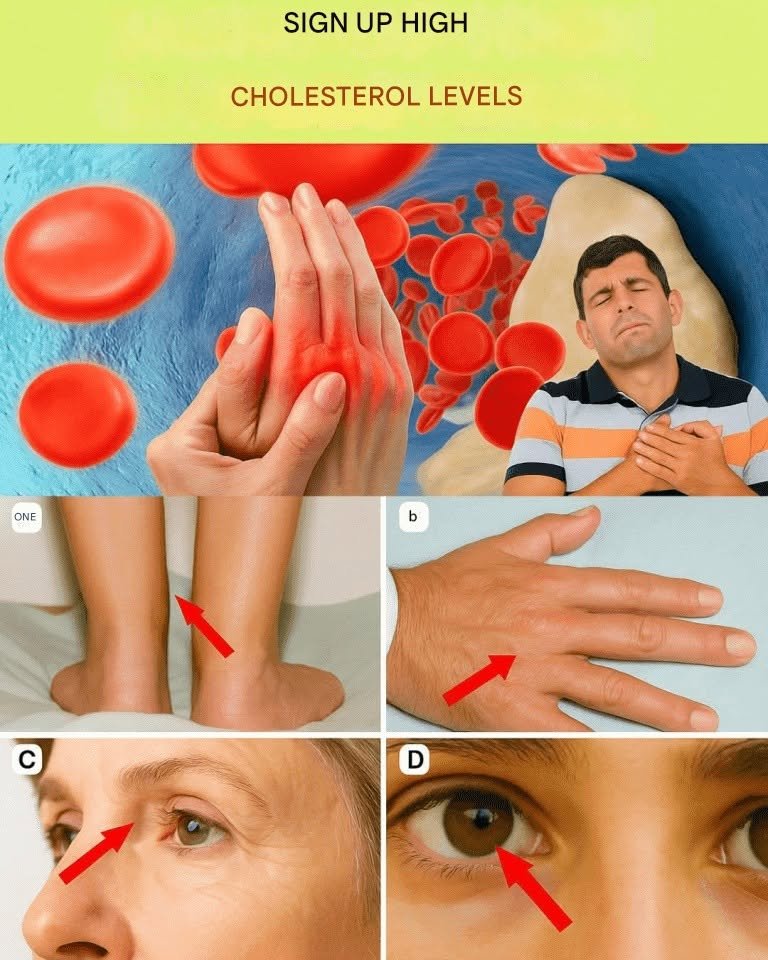
Are You Missing These Silent Warning Signs of High Cholesterol?
High cholesterol is widely known as a classic “silent” health threat. Unlike a migraine, a sprained ankle, or a viral infection, elevated low-density lipoprotein (LDL) cholesterol does not announce itself with immediate pain, dramatic discomfort, or acute distress. You can walk, work, and sleep entirely normally while waxy plaque quietly accumulates along the interior walls of your arteries over years.
Relying on how you “feel” to gauge your cardiovascular health is a dangerous gamble. By the time physical complications from narrowed arteries finally manifest, the underlying vascular damage is often already advanced. However, paying close attention to subtle shifts in your body—and understanding the rare physical markers that do appear—can help catch lipid imbalances before they trigger a medical crisis.
Why High Cholesterol Remains Completely Silent
The human circulatory system is remarkably adaptive. As cholesterol plaques build up and narrow your blood vessels, your body often compensates quietly. There are no pain receptors inside your arteries, meaning you cannot feel your blood pressure rising or your arterial pathways stiffening.
Because of this physiological stealth, millions of people live with dangerously high lipid profiles for decades without a single clue. The condition typically stays hidden until a plaque ruptures or restricts blood flow severely enough to cause a major cardiac event, such as a heart attack or stroke.
Subtle Clues and Indirect Red Flags to Watch For
While high cholesterol itself lacks direct symptoms, the restricted circulation caused by subsequent plaque buildup can sometimes prompt subtle, easily dismissed bodily signals:
-
Unexplained Exertion Fatigue: If everyday tasks like carrying groceries or climbing a flight of stairs suddenly leave you unusually exhausted, it may indicate that your heart and lungs are working harder to push oxygen-depleted blood through narrowed arteries.
-
Mild Chest Tightness (Angina): Occasional pressure, heaviness, or mild discomfort in the chest during moments of physical exertion or high stress should never be brushed off as simple anxiety or indigestion. It can signal that your heart muscle is temporarily starved of oxygen-rich blood.
-
Leg Cramping or Aches (Claudication): Pain, cramping, or weakness in your calves, thighs, or buttocks while walking—which disappears promptly when you rest—is a hallmark sign of peripheral artery disease (PAD), driven by restricted blood flow in the lower extremities.
-
Slow-Healing Sores or Cold Extremities: Chronically cold hands and feet, or minor cuts on your lower legs that take an abnormally long time to heal, can point to poor microcirculation resulting from vascular stiffness.
Rare Physical Markers of Severe Lipid Disorders
In cases of severe, often genetically driven high cholesterol (such as familial hypercholesterolemia), the body occasionally displays distinct physical clues directly on the skin or eyes:
-
Xanthomas: Soft, yellowish, fatty deposits or bumps that form underneath the skin, frequently clustering around the eyelids (known as xanthelasma), tendons, knuckles, or knees.
-
Arcus Corneae: A distinct grayish-white or pale ring appearing around the outer edge of the cornea in the eye. While it can occasionally appear naturally with advanced aging, seeing it in younger adults often correlates with dangerously high blood lipid levels.
Comparison: Silent Stages vs. Advanced Vascular Complications
| Stage of Lipid Buildup | What Is Happening Internally | Visible or Physical Symptoms |
| Early / Silent Stage | LDL cholesterol begins adhering to arterial walls, forming microscopic fatty streaks. | None. You feel completely healthy and energetic. |
| Moderate Progression | Plaques enlarge, stiffening artery walls and restricting maximum blood volume. | Subtle breathlessness on stairs, minor exercise fatigue, or mild leg cramps. |
| Advanced Complication | Severe blockage or plaque rupture cuts off critical blood flow to the heart or brain. | Acute chest pain (angina), sudden stroke symptoms, or heart attack. |
The Only Definitive Answer: The Lipid Profile
Because you cannot rely on physical symptoms to warn you, the only reliable way to know your cholesterol status is through a simple, routine blood test known as a lipid profile.
This panel measures your total cholesterol, protective HDL, harmful LDL, and triglycerides. Major health guidelines recommend that all healthy adults get their cholesterol checked starting around age 20, repeating every four to six years—or more frequently if you carry risk factors like a family history of early heart disease, diabetes, high blood pressure, or a history of smoking.
Action Checklist
-
What to Do: Schedule a routine fasting or non-fasting lipid profile with your primary care physician, incorporate heart-healthy monounsaturated fats (like olive oil and avocado) into your meals, and engage in regular aerobic exercise.
-
What to Avoid: Assuming you are safe just because you feel physically fit, ignoring persistent unexplained fatigue or chest discomfort, and waiting for dramatic symptoms to appear before checking your numbers.
High cholesterol is a master of disguise that develops entirely without warning signs; taking control of your cardiovascular future requires dropping the guesswork, requesting a simple blood lipid panel, and managing your numbers before your body has to force you to listen.