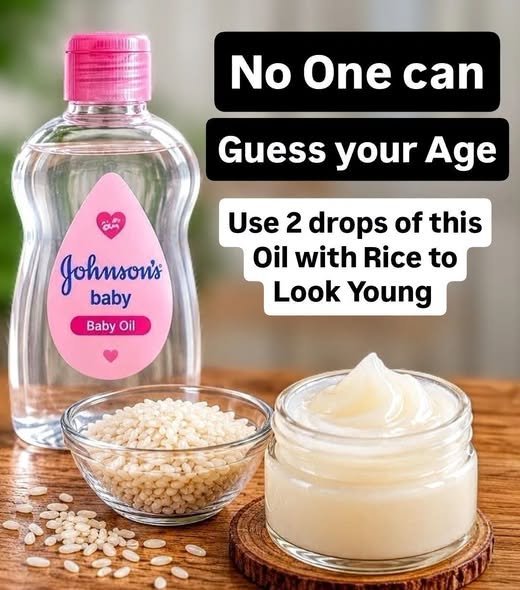
The 7-Day Baby Oil Experiment: Why Dermatologists Are Secretly Obsessed With This Drugstore Classic for Glass Skin
Unlock dewy, lit-from-within radiance without spending a fortune on luxury serums by understanding how mineral oil actually transforms the skin barrier.
The Glass Skin Illusion vs. Reality
You scroll through social media, and every beauty influencer seems drenched in an impossible, ethereal sheen. They call it “glass skin,” “dolphin skin,” or simply “the dewy glow,” and they credit a revolving door of thirty-step Korean skincare routines, fermented essences, and forty-dollar facial oils. You buy the products. You layer them in precise order, waiting the mandated sixty seconds between each application. Yet, by 2:00 PM, your face either looks like an oil slick or feels tight, dry, and distinctly lack-luster.
Here is the dirty secret of the beauty industry: moisture and hydration are two entirely different physiological mechanisms, and most expensive products only address half the equation. You can drink three liters of alkaline water a day and slather on hyaluronic acid serums, but if your epidermal barrier has micro-tears or compromised lipid layers, that water simply evaporates into the dry office air. This phenomenon is known clinically as Transepidermal Water Loss (TEWL).
Enter the humble, pink-capped bottle sitting quietly in the baby care aisle. For decades, mineral oil has been dismissed by skincare snobs as cheap, pore-clogging petroleum byproduct. But walk into the back room of a high-end dermatologist’s office or speak with cosmetic chemists who formulate thousand-dollar luxury creams, and you will hear a different story. High-grade, cosmetic-grade mineral oil—the primary ingredient in standard baby oil—is one of the most effective, non-irritating, and chemically stable occlusives known to science.
When used correctly, it does not suffocate the skin; it creates an intelligent, breathable micro-seal that locks your skin’s natural moisture inside where it belongs. Understanding how to harness this drugstore staple changes everything about how you approach skin radiance.
Why the American Skin Barrier is Under Siege
Modern American lifestyle factors wage a relentless war against our skin barriers. Between aggressive indoor climate control systems—blasting dry heat in the winter and desiccating air conditioning in the summer—hard tap water filled with drying minerals, and the over-use of harsh chemical exfoliants, our collective skin barrier is chronically compromised.
When the skin barrier fails, the intercellular lipids that hold skin cells together like mortar in a brick wall begin to break down. The immediate consequences are subtle: makeup starts clinging to dry patches by midday, skin feels tight after washing, and the natural reflectivity of healthy skin dulls into a chalky, tired-looking ashiness.
Ignoring this chronic barrier fatigue leads straight down a slippery slope of over-compensation. Consumers tend to buy more products, scrub harder, and layer active ingredients like retinol and AHAs onto skin that cannot handle them. This triggers micro-inflammation, redness, and accelerated aging.
Restoring glow is not about adding more active ingredients; it is about subtraction and sealing. By stepping back and protecting the skin’s natural moisture matrix, the skin naturally reflects light more evenly, creating that coveted youthful bounce and luminosity without a single drop of synthetic shimmer.
The Chemistry of Occlusion: How Baby Oil Creates Radiance
To understand why baby oil creates such an intense glow, you have to look at what happens at a molecular level. Skin glows when its surface is ultra-smooth. When skin cells are dry and dehydrated, their edges curl up microscopically. This uneven surface scatters light in all directions, making the skin look dull, matte, and tired.
When you apply an occlusive agent like mineral oil to damp skin, the oil molecules spread out into an ultra-thin, uniform film. This film fills in the microscopic valleys and rough edges between skin cells. Light hits this smooth surface and reflects back uniformly, creating an instant optical illusion of flawless, glass-like radiance.
Furthermore, mineral oil is a hydrocarbon. Unlike plant-based oils (like coconut or olive oil), which have complex chemical structures that can oxidize when exposed to air and UV light (potentially leading to free radical damage and rancidity), mineral oil is inert. It does not penetrate deep into living tissue where it can cause reactions; instead, it sits precisely where it is needed—on the outermost layer of the stratum corneum—acting as a physical shield against environmental aggressors.
Fragrance, however, is the variable you must watch. Standard baby oil is traditionally scented with classic floral or powdery notes. While nostalgic, these added fragrances can sometimes trigger sensitivity. Purists and those with reactive skin often opt for fragrance-free mineral oil or pure pharmaceutical-grade baby oil variants to reap the performance benefits without the aromatic additives.
The Step-by-Step Actionable Guide to the Baby Oil Glow Method
Slathering oil onto dry skin straight out of the package is a recipe for greasy disaster. To achieve a sophisticated, non-sticky radiance, you must master the art of application physics.
-
The Damp Skin Foundation: Never apply baby oil to dry skin. Take a warm shower or bath, and turn off the water. Leave your skin dripping wet. The secret to modern hydration is trapping the residual water droplets on your skin before they evaporate.
-
The Strategic Emulsification: Pour a dime-sized amount of baby oil into your palms. Rub your hands together to warm the oil, which thins its viscosity and allows for an even, gossamer-thin distribution.
-
The Press-and-Glide Technique: Instead of vigorously rubbing the oil into your skin, gently press and glide your palms over your limbs and torso. Allow the oil to emulsify with the surface water on your skin, creating an instant, lightweight micro-emulsion that locks moisture deep inside.
-
The Excess Blot: Give the oil two to three minutes to settle into the skin barrier. Take a soft towel and gently pat—do not rub—any excess surface residue. You should be left with a velvety, satin finish, not a greasy sheen that stains your clothing.
-
Targeted Facial Highlighting: For facial use, take a microscopic drop on the very tips of your clean fingers and gently tap it onto the high points of your face: the cheekbones, the bridge of the nose, and the Cupid’s bow. It catches the ambient light better than any high-end powder highlighter.
Real-World Scenarios: Integrating the Glow Into Daily Life
Consider the schedule of a busy working professional in a major metropolitan area like Chicago or New York. Rushing from a heated apartment into sub-zero winter winds, then sitting in a climate-controlled office for nine hours, leaves skin completely parched by evening.
By keeping a bottle of baby oil in the shower and performing the damp-skin application every morning, this professional creates an invisible, moisture-proof overcoat that shields the skin from harsh city elements throughout the commute. By 5:00 PM, while coworkers are desperately misting their faces with drying thermal waters, their skin maintains a soft, protected resilience.
Another scenario involves the frequent traveler. Airplane cabins maintain a humidity level lower than the Sahara Desert, sucking the moisture straight out of skin cells during a cross-country flight. Seasoned flight attendants often swear by a light layer of baby oil applied over a hydrating gel moisturizer right before takeoff, ensuring they land looking fresh rather than fatigued.
Implementation Strategies for Maximum Efficacy
Maximizing the benefits of baby oil requires fitting it into a broader, intelligent skincare ecosystem. It should be viewed not as a standalone hydrator, but as a topcoat.
-
The Sandwich Method: For chronically dry winter skin, apply a lightweight hyaluronic acid toner or water-based essence to damp skin, followed immediately by your baby oil seal. This pushes hydration down while locking it up.
-
Shaving Integration: Swap out commercial shaving gels, which often contain drying surfactants and alcohols, for a thin layer of baby oil. The razor glides effortlessly across the skin without causing micro-abrasions or razor burn, leaving legs intensely moisturized the moment you step out of the shower.
-
Exfoliation Booster: Mix a few drops of baby oil into a gentle brown sugar or coffee scrub for DIY body treatments. The oil cushions the exfoliating particles, preventing them from micro-tearing the skin while leaving behind an instant post-shower glow that eliminates the need for a separate body lotion.
Comparative Analysis: Baby Oil vs. Luxury Body Oils
| Feature | Classic Baby Oil (Mineral Oil) | Luxury Botanical Body Oils | Heavy Plant Butters (Shea/Cocoa) |
| Primary Mechanism | Pure occlusive seal | Penetration + light occlusion | Heavy emollient barrier |
| Oxidation Risk | Zero (chemically inert) | High (can go rancid over time) | Moderate |
| Cost Efficiency | Extremely high ($0.05 / oz) | Low to Moderate ($10 – $50 / oz) | Moderate |
| Pore Clogging Potential | Low (if cosmetic grade) | Variable (depends on botanical plant source) | High for acne-prone skin |
| Finish | Satin, high-reflectivity sheen | Dewy to oily | Heavy, waxy finish |
Common Mistakes and How to Fix Them
Even the simplest beauty hacks come with user errors. Avoiding these common pitfalls ensures your skin reaps pure benefits without frustration.
-
Mistake: Applying the oil to completely dry skin.
-
Fix: Always apply to damp, post-shower skin to trap water rather than just coating dry cells.
-
-
Mistake: Dowsing the face directly from the bottle.
-
Fix: Use targeted application. For facial highlighting, use a literal pinprick amount on clean fingertips. If you are prone to breakouts along the hairline or jawline, keep mineral oil restricted to the neck down.
-
-
Mistake: Assuming all mineral oil is created equal.
-
Fix: Ensure you are using high-purity, cosmetic-grade mineral oil. Industrial-grade variants found in hardware stores are entirely different and unsafe for dermatological application.
-
-
Mistake: Wearing immediately after application with delicate silk clothing.
-
Fix: Allow the product three to five minutes to fully set and bind with the skin’s surface lipids before getting dressed, or use a towel to gently pat away surface excess.
-
Expert-Level Insights and Insider Knowledge
Cosmetic chemists understand a formulation truth that marketing teams rarely advertise: mineral oil is non-comedogenic for the vast majority of people because its molecular structure is too large to penetrate the pore lining. The myth that baby oil causes instant breakouts stems from confusion with heavy comedogenic plant oils or improper cleansing habits.
Furthermore, dermatologists frequently recommend mineral oil for patients suffering from severe eczema, psoriasis, or xerosis because it possesses zero sensitizing botanical proteins. While plant-based natural oils often contain hundreds of complex aromatic compounds that can trigger contact dermatitis in compromised skin, highly refined mineral oil is clean, predictable, and remarkably gentle.
Another insider trick used by backstage makeup artists during fashion week: mix a single drop of baby oil with liquid foundation to sheer out heavy coverage and instantly impart an editorial, wet-look sheen to cheekbones and collarbones under runway lights.
The 2026 Beauty Landscape: The Return of Functional Simplicity
As consumer fatigue reaches an all-time high with complicated twelve-step routines and over-priced skincare lines laden with unproven peptides, the beauty industry is experiencing a massive swing back toward radical minimalism. Informed consumers in 2026 are looking past flashy marketing hype and demanding high-performance, single-ingredient solutions that deliver verifiable results.
The democratization of skincare knowledge via platforms that break down cosmetic chemistry has demoted expensive luxury oils. Savvy shoppers are realizing that clever packaging and celebrity endorsements do not change the laws of physics or skin occlusion. The trend is moving firmly toward “skinimalism”—doing more with less, protecting the skin barrier, and returning to time-tested, dependable formulations that have worked for generations.
Future Outlook: Where Barrier Care is Heading
Looking toward the future of dermatological care, the focus will remain squarely on lipid barrier reinforcement and sustainable, multi-use products. As water scarcity and economic pressures shift consumer habits, ultra-efficient products that serve multiple purposes—acting as hydrator seals, makeup thinners, shaving lubricants, and highlighters all at once—will dominate bathroom cabinets. The era of the single-use specialty product is fading, making timeless, stable classics like baby oil more relevant than ever in the modern beauty routine.
Mini Case Scenario: Sarah’s Barrier Transformation
Sarah, a 31-year-old graphic designer living in Boston, spent years battling persistent flakiness despite spending hundreds of dollars on luxury hyaluronic acid serums and prestige facial oils. Her skin felt perpetually tight, and her foundation would pill and crack by noon every day.
Frustrated, she consulted a dermatologist who diagnosed her with chronic barrier fatigue caused by over-exfoliation and inadequate surface sealing. The doctor prescribed a radical step: strip away all active serums, simplify cleansing to a gentle cream wash, and lock in the remaining moisture after every shower using basic baby oil on damp skin.
Within fourteen days, Sarah noticed a dramatic shift. The tight, stinging sensation vanished entirely. Her skin stopped over-producing surface grease as a desperate response to dryness, and her natural complexion developed a smooth, reflective sheen that made her coworkers ask which new high-end foundation she was wearing. By investing in barrier protection rather than expensive marketing promises, Sarah unlocked the glass skin she had been chasing for years.
Frequently Asked Questions
-
Will baby oil clog my facial pores and cause breakouts?
Cosmetic-grade mineral oil features a large molecular structure that sits on the surface of the skin rather than penetrating deep into the pore lining. However, if you have exceptionally acne-prone facial skin, it is safest to use baby oil primarily as a body treatment and keep it away from congestion-prone areas of the face.
-
Can I use baby oil if I have sensitive or eczema-prone skin?
Yes. In fact, dermatologists frequently recommend mineral oil for eczema sufferers because it is completely inert and lacks the botanical proteins and fragrances found in natural plant oils that often trigger allergic contact dermatitis. Just ensure you patch-test if you are using a scented variety.
-
Is baby oil safe to use during pregnancy for stretch marks?
While baby oil provides exceptional surface hydration and keeps stretching skin supple and comfortable, stretch marks form deep within the dermal layer where surface oils cannot reach. It acts as an excellent, affordable emollient to keep the skin’s surface soft and flexible throughout pregnancy.
-
How does baby oil differ from natural coconut or argan oil?
Natural plant oils contain complex compounds that can oxidize, go rancid, or feed certain skin microbes. Baby oil (mineral oil) is chemically stable, has an indefinite shelf life, will not oxidize under UV light, and provides a much tighter, more reliable occlusive seal to prevent moisture loss.
-
Can I leave baby oil on overnight?
Absolutely. Applying a light layer to damp skin right before bed allows the occlusive barrier to work overnight while your skin undergoes its natural cellular repair cycle, ensuring you wake up with soft, glowing skin.
-
Why does my skin feel greasy after applying baby oil?
Greasiness almost always occurs because the oil was applied to dry skin or too much product was used. Always apply to dripping-wet skin, use a tiny amount, and gently pat away any excess surface residue with a towel after a few minutes.
-
Does baby oil help tan the skin faster?
Baby oil does not contain SPF and will not protect you from ultraviolet radiation. While it intensifies the sun’s rays and creates a shiny appearance, it drastically increases the risk of dangerous sunburns and skin damage. Always pair sun exposure with broad-spectrum sunscreen.
-
Can baby oil be used as a makeup remover?
Yes, it is exceptionally effective at dissolving stubborn, waterproof mascara and long-wear foundation without tugging at the delicate skin around the eyes. Massage a small amount onto dry skin, wipe away with a warm washcloth, and follow with your regular facial cleanser.
Action Checklist
-
What to do:
-
Apply baby oil exclusively to damp, post-shower skin to lock in ambient moisture.
-
Warm a dime-sized amount between your palms before pressing it gently onto the skin.
-
Patch-test products to check for personal sensitivities, especially if using scented formulas.
-
Use the product as a multi-use tool for shaving, highlighting, and makeup removal.
-
-
What to avoid:
-
Do not apply the oil directly to dry skin, which causes a greasy surface film.
-
Avoid dowsing acne-prone facial zones heavily with occlusive oils.
-
Never use industrial-grade mineral oil as a substitute for cosmetic-grade baby oil.
-
Do not rely on baby oil for sun protection, as it contains zero SPF.
-
Achieving a radiant, glass-skin glow does not require an expensive multi-step routine; mastering the physics of skin occlusion with a simple bottle of baby oil protects your moisture barrier and delivers instant, lit-from-within luminosity for pennies.