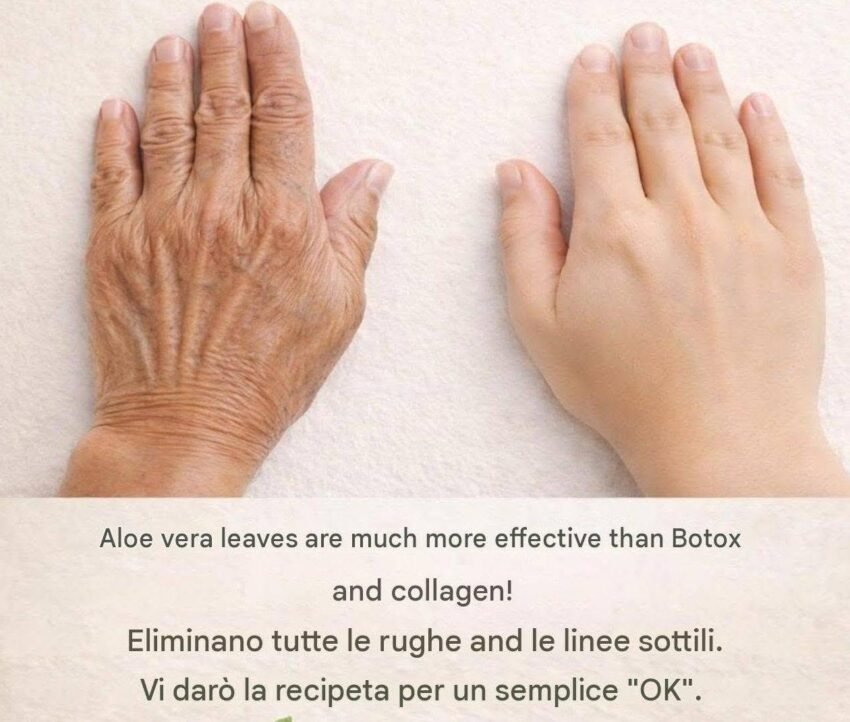
Bay Leaf: Nature’s Secret Weapon for Youthful, Wrinkle-Free Skin?
Forget expensive chemical serums and complex clinic routines. Discover the viral herbal skincare hack using everyday kitchen bay leaves to tighten, smooth, and rejuvenate aging skin naturally.
Can bay leaves reduce wrinkles? Discover the natural DIY skincare trend using bay leaf toners and oils for smoother, firmer, youthful-looking skin.
The Search for Timeless Beauty in the Spice Rack
If you wander down the spice aisle of any grocery store, you will find rows of glass jars filled with dried bay leaves. For most of us, they are a humble culinary footnote—a dusty ingredient dropped into Sunday’s simmering pot of beef stew or marinara sauce to add an earthy, savory depth before being fished out and tossed in the trash.
They smell herbaceous, warm, and slightly medicinal. But would you ever look at a jar of dried soup leaves and think, “Ah, yes—my anti-aging serum”?
Internet beauty communities and holistic wellness spaces certainly are. Across social media, a viral DIY trend has taken root, claiming that simple bay leaves possess hidden astringent and antioxidant properties capable of mimicking a natural face lift. Bloggers and natural skincare enthusiasts swear that boiling bay leaves into a DIY toner tightens loose pores, smooths expression lines, and revives a dull complexion.
Before you raid your pantry and slap a pot of leaves on the stove, let’s separate kitchen folklore from dermatological science. What is actually happening when you apply herbal infusions to your skin, and is bay leaf truly nature’s fountain of youth?
The Skin Science: Why Aging Happens (and What Herbs Aim to Fix)
To understand why people are turning to bay leaves (Laurus nobilis), we have to look at the biological mechanisms of skin aging.
As we age, two primary culprits break down our skin’s architectural integrity:
-
Oxidative Stress: Free radicals—unstable molecules generated by UV radiation, pollution, and stress—steal electrons from healthy skin cells, degrading collagen and elastin fibers. This results in sagging and wrinkles.
-
Inflammation and Loss of Elasticity: As micro-inflammation increases and natural oil production declines, skin loses its snappy bounce, leading to enlarged pores and fine lines.
Plant botanicals like bay leaves naturally contain high concentrations of active plant compounds—including polyphenols, flavonoids, linalool, and eugenol. In laboratory settings, these compounds act as potent antioxidants that neutralize free radicals and exhibit mild anti-inflammatory properties. In theory, applying a concentrated botanical extract to the skin can help soothe irritation, protect against oxidative damage, and temporarily tighten surface tissues due to natural plant tannins.
How to Make the Viral Bay Leaf “Botox” Toner at Home
If you want to test the skin-smoothing properties of bay leaves safely at home, the most popular method is creating a gentle herbal decoction. Here is how enthusiasts prepare it:
Step 1: The Ingredients
-
10 to 12 dried bay leaves (ensure they are clean and free of dust)
-
2 cups of pure distilled water
-
1 tablespoon of rose water or aloe vera gel (optional, to add hydration and balance)
Step 2: The Infusion Process
-
Place the dried bay leaves and distilled water into a small, clean saucepan.
-
Bring the mixture to a rolling boil over medium-high heat. Once boiling, reduce the heat and let it simmer gently for 15 to 20 minutes. As it simmers, the water will reduce by half and turn a rich, tea-like amber color, releasing the leaves’ aromatic essential oils.
-
Remove the pan from the heat and let it cool completely with the lid on to trap the volatile botanical vapors.
Step 3: Straining and Storing
-
Strain the cooled liquid through a fine-mesh sieve or cheesecloth into a clean glass spray bottle or dropper jar.
-
Stir in your tablespoon of aloe vera gel or rose water to prevent the tonic from feeling overly drying on the skin.
-
Store the bottle in your refrigerator. Because it contains no artificial preservatives, this DIY toner must be used within 7 to 10 days or discarded.
Step 4: Application
-
After cleansing your face at night, mist the toner lightly onto your skin or apply it with a cotton pad, patting gently upward. Follow up immediately with your favorite moisturizer to lock in hydration.
Comparative Analysis: Bay Leaf Toner vs. Commercial Anti-Aging Serums
How does a homemade herbal kitchen tonic stack up against advanced cosmetic chemistry? Let’s break down the reality.
| Feature | DIY Bay Leaf Toner | Commercial Retinol / Peptide Serums |
| Financial Cost | Pennies (Uses standard kitchen spices) | Moderate to High ($30 to $150+ per bottle) |
| Scientific Backing | Anedoctal / Traditional (Rich in antioxidants, but lacks clinical human trials for wrinkles) | Extensive (Decades of clinical research proving collagen stimulation) |
| Shelf Life | Very short (Spoils in 7–10 days without preservatives) | Long-lasting (Formulated for months of stable use) |
| Skin Effect | Temporary tightening, antioxidant boost, refreshing scent | Long-term cell turnover, structural wrinkle reduction |
Common Pitfalls and Safety Precautions
Natural does not automatically mean risk-free. Before applying plant extracts to your face, keep these critical warnings in mind:
-
Pitfall 1: Ignoring Potential Contact Dermatitis.
-
The Danger: Bay leaves contain potent essential oils (like eugenol and linalool) that can trigger allergic contact dermatitis or chemical irritation in sensitive skin types.
-
The Fix: Always perform a patch test on the inside of your wrist or behind your ear 24 hours before applying any herbal toner to your face.
-
-
Pitfall 2: Over-Drying the Skin.
-
The Danger: Bay leaves contain natural tannins, which act as astringents. If used too frequently, they can strip your natural skin barrier, leading to flaking and irritation.
-
The Fix: Limit use to 2 or 3 times a week, and always follow up with a nourishing moisturizer.
-
-
Pitfall 3: Using Stale or Moldy Spices.
-
The Danger: Boiling old, contaminated pantry spices introduces mold spores or bacteria directly onto compromised facial skin.
-
The Fix: Inspect your bay leaves. If they smell musty or show signs of moisture, throw them out and buy a fresh, sealed packet.
-
Expert Insights: What Dermatologists Say About “Kitchen Cosmetics”
Dermatologists love antioxidants, but they urge caution when viral trends promise surgical results from pantry items.
While plant infusions like bay leaf water offer a refreshing dose of antioxidants and temporary skin-tightening effects due to natural tannins, they cannot structurally reverse deep dermal wrinkles or stimulate collagen production the way clinically proven ingredients like retinoids, vitamin C, or prescription-strength peptides can.
Think of a bay leaf toner as a delightful, holistic, skin-refreshing spa treatment rather than a magic eraser for aging. It supports skin health, smells wonderful, and feels grounding as a ritual—just don’t expect it to replace medical-grade skincare.
Frequently Asked Questions
1. Can bay leaf toner actually get rid of wrinkles permanently?
No topical herbal infusion can permanently erase wrinkles. While the tannins in bay leaves can cause a temporary skin-tightening effect and antioxidants protect against future damage, deep wrinkles require long-term cellular restructuring from proven actives like retinoids.
2. Is it safe for acne-prone skin?
Bay leaves possess mild antimicrobial and anti-inflammatory properties, which some users find helpful for calming minor breakouts. However, if you have severe cystic acne, consult a dermatologist before applying DIY herbal treatments.
3. Why does the toner smell so strong?
Bay leaves are packed with aromatic volatile oils like eugenol, cineole, and linalool. This natural scent is completely normal, but if it feels too strong or causes your eyes to water, dilute the mixture further with distilled water.
4. Can I use fresh bay leaves instead of dried ones?
Yes, though fresh leaves contain higher concentrations of raw essential oils, which can sometimes be more irritating to facial skin. If using fresh leaves, use fewer of them (about 5 to 6 leaves) and ensure they are washed thoroughly.
5. How long does it take to see results?
If used as a refreshing toner, you may notice an immediate, temporary tightening and brightening effect due to hydration and tannins. For long-term antioxidant benefits, consistency over several weeks is key.
6. Can I mix bay leaf water with my regular face cream?
It is better to keep them separate. Water-based DIY infusions spoil quickly; mixing them into a store-bought jar of cream will break down the commercial preservatives and cause mold to grow rapidly in your moisturizer.
7. Are there any side effects to watch out for?
Redness, itching, burning, or tiny bumps are signs of an allergic reaction or irritation. If you experience any of these, wash your face immediately with cool water and discontinue use.
8. What is the best way to protect aging skin naturally?
Beyond antioxidants, the single most scientifically proven way to prevent wrinkles is daily broad-spectrum sunscreen use (SPF 30 or higher) combined with adequate hydration, sleep, and a diet rich in whole foods.
Action Checklist
What to Do:
-
Perform a 24-hour patch test on your inner wrist before trying any DIY bay leaf skincare recipe.
-
Store your homemade toner in the refrigerator and discard it after one week to prevent bacterial growth.
-
Layer a hydrating moisturizer over the toner to protect your skin barrier.
What to Avoid:
-
Leaving herbal toners at room temperature for days, which turns them into a breeding ground for mold.
-
Expecting kitchen spices to replace professional dermatological treatments or clinical anti-grade serums.
While bay leaf toner won’t literally act as natural Botox, making an herbal infusion at home is an inexpensive, antioxidant-rich ritual that can refresh your complexion, soothe inflammation, and bring a touch of spa luxury to your daily routine.