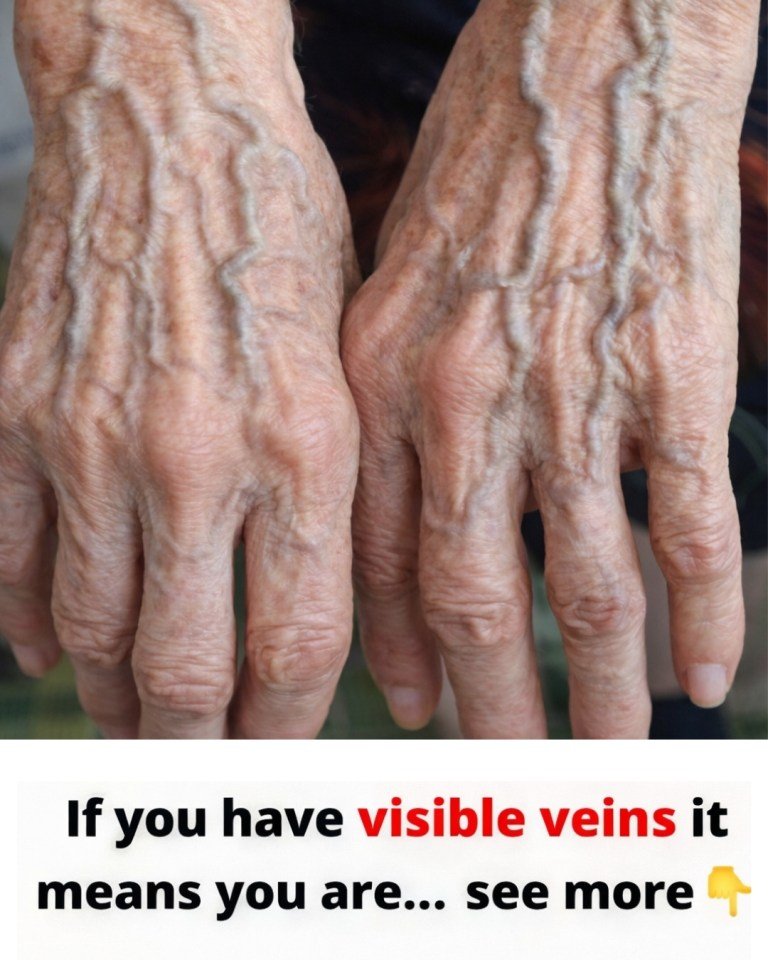
Bulging Veins: When They’re Harmless and When They Could Signal a Problem
Bulging veins are often harmless, but sometimes they can signal circulation problems. Learn common causes, warning signs, and when to see a doctor.
Bulging Veins: When They’re Harmless and When They Could Signal a Problem
You look down at your hands, arms, or legs and notice something different:
Your veins seem more visible than before.
They may look raised, twisted, or darker under the skin.
For many people, this can be unsettling. The first thought is often:
“Is something wrong with my circulation?”
The truth is that visible or bulging veins are extremely common—and in many cases, they are completely normal.
But sometimes, changes in your veins can be a sign that your blood vessels are under stress or that your circulation needs attention.
The key is knowing the difference between a harmless change and a warning sign.
Why Do Veins Become More Visible?
Veins carry blood back toward the heart after oxygen has been delivered to the body’s tissues.
Several normal changes can make veins appear larger or more noticeable.
1. Aging and Skin Changes
As we get older, the skin naturally becomes thinner and loses some elasticity.
The layer of fat beneath the skin may also decrease.
This can make veins appear:
- More prominent
- Darker
- Closer to the surface
This is especially common on:
- Hands
- Forearms
- Feet
Visible veins alone do not necessarily indicate a health problem.
2. Low Body Fat or Increased Muscle
People with lower body fat often have more visible veins because there is less tissue covering them.
Athletes and people who strength train may also notice bulging veins due to:
- Increased muscle size
- Increased blood flow during exercise
- Temporary pressure changes in blood vessels
A visible vein after exercise is often a normal response.
3. Heat and Exercise
Have you ever noticed your veins popping out after a workout or on a hot day?
Heat causes blood vessels to expand to help regulate body temperature.
Exercise also increases blood flow, which can make veins temporarily more noticeable.
They often become less prominent afterward.
4. Genetics
Some people naturally have more visible veins.
Family traits can influence:
- Skin thickness
- Vein position
- Body composition
Two people of the same age and fitness level may have very different-looking veins.
When Bulging Veins Are Usually Harmless
Visible veins are often not concerning when they:
✔ Appear gradually
✔ Are not painful
✔ Do not come with swelling
✔ Change with exercise or temperature
✔ Match your normal body pattern
For example:
A person who has always had visible veins on their hands or arms usually does not need to worry simply because the veins are noticeable.
When Bulging Veins Could Signal a Problem
Certain changes deserve closer attention.
1. Varicose Veins
Varicose veins are enlarged, twisted veins that commonly appear on the legs.
They occur when valves inside veins do not work properly, allowing blood to pool.
They may look:
- Rope-like
- Twisted
- Raised
- Blue or purple
Symptoms may include:
- Aching
- Heaviness
- Burning
- Itching
- Swelling
They are common, especially with increasing age.
2. Sudden Vein Changes
A vein that suddenly becomes:
- Enlarged
- Painful
- Red
- Warm
- Hard to the touch
should be evaluated.
Sudden changes can sometimes indicate inflammation or a blood clot-related issue.
3. Leg Swelling Along With Visible Veins
Bulging veins combined with swelling may suggest a circulation problem.
Pay attention if swelling:
- Affects only one leg
- Appears suddenly
- Comes with pain or warmth
4. Painful Veins
Normal visible veins usually do not hurt.
Seek medical advice if veins become:
- Tender
- Painful
- Sensitive
- Associated with skin changes
5. Skin Color or Texture Changes
Long-term vein problems may sometimes affect the skin.
Warning signs include:
- Darkening skin around the ankles
- Thickened skin
- Open sores that do not heal
- Persistent itching
These changes may indicate chronic vein circulation problems.
Common Causes of Bulging Leg Veins
Age
Vein valves may become weaker over time.
Standing for Long Periods
Jobs requiring hours of standing can increase pressure in leg veins.
Examples:
- Healthcare workers
- Retail workers
- Teachers
- Service workers
Pregnancy
Pregnancy increases blood volume and pressure on pelvic veins, which can contribute to enlarged veins.
Family History
People with relatives who have varicose veins may have a higher risk.
Weight Changes
Extra pressure on leg veins may affect circulation.
Simple Ways to Support Healthy Veins
1. Stay Active
Movement helps leg muscles push blood back toward the heart.
Helpful activities include:
- Walking
- Swimming
- Cycling
2. Avoid Sitting or Standing Still for Too Long
If you sit for long periods:
- Stand up regularly
- Stretch your legs
- Move your ankles
3. Elevate Your Legs
Raising your legs when resting may help reduce feelings of heaviness or swelling.
4. Maintain a Healthy Weight
A healthy weight can reduce pressure on leg veins.
5. Wear Compression Stockings When Recommended
Compression garments may help some people with vein-related symptoms.
A healthcare professional can help determine if they are appropriate.
Bulging Veins: Normal vs Concerning
| Usually Harmless | May Need Medical Attention |
|---|---|
| Visible veins on hands or arms | Sudden enlarged veins |
| Appears after exercise | Painful or tender veins |
| Changes with heat | Swelling in one leg |
| No discomfort | Skin changes or sores |
| Long-standing appearance | Redness and warmth |
Common Mistakes People Make About Veins
Mistake 1: Assuming Visible Veins Mean Poor Circulation
Visible veins do not automatically mean unhealthy circulation.
Many healthy people naturally have prominent veins.
Mistake 2: Ignoring New Symptoms
A new painful, swollen, or changing vein should not be dismissed.
Mistake 3: Believing Every Vein Treatment Is Necessary
Not every visible vein requires treatment.
Treatment decisions depend on symptoms, health concerns, and personal goals.
How Doctors Evaluate Vein Problems
A healthcare professional may ask about:
- When the vein changes started
- Pain or swelling
- Family history
- Daily activities
They may perform:
- A physical examination
- Ultrasound imaging of veins if needed
This helps determine whether blood flow is normal.
Mini Scenario: When a Vein Change Matters
Maria, age 62, noticed the veins on her hands becoming more visible.
They were not painful and looked similar on both sides.
Her doctor explained that thinner skin and normal aging were likely reasons.
Later, she noticed a different issue: one leg developed swelling, warmth, and a painful raised vein.
That change required evaluation.
The difference was not simply the appearance of the vein—it was the sudden change and symptoms.
Frequently Asked Questions
Are bulging veins always a sign of a health problem?
No. Many bulging veins are normal and caused by aging, genetics, exercise, or body composition.
Why are veins more visible as I get older?
Skin becomes thinner and loses some underlying tissue, making veins easier to see.
Can exercise cause veins to bulge?
Yes. Increased blood flow and muscle activity can make veins temporarily more noticeable.
Are varicose veins dangerous?
Many varicose veins are mainly a cosmetic concern, but some can cause symptoms and should be evaluated.
Should I worry about veins that suddenly appear?
A sudden change, especially with pain, swelling, redness, or warmth, should be checked.
Can drinking more water reduce visible veins?
Hydration supports overall health but does not usually change naturally visible veins.
Do compression socks remove varicose veins?
Compression socks may help symptoms but do not remove veins.
When should I see a doctor about bulging veins?
Seek medical advice if veins are painful, suddenly enlarged, associated with swelling, or accompanied by skin changes.
Bulging Vein Health Checklist
✔️ Do
- Notice changes in your veins over time.
- Stay physically active.
- Move regularly during long periods of sitting or standing.
- Maintain healthy habits.
- Seek advice for painful or sudden changes.
❌ Avoid
- Assuming every visible vein is dangerous.
- Ignoring sudden swelling or pain.
- Using vein treatments without understanding the cause.
- Delaying care for serious symptoms.
Conclusion
Bulging veins can look alarming, but they are often simply a normal part of aging, genetics, exercise, or changes in body composition.
The important question is not:
“Can I see my veins?”
It is:
“Have my veins changed, and are there other symptoms?”
Healthy circulation is about how your blood moves—not just how your veins look.
Visible veins are often harmless, but sudden changes, pain, swelling, warmth, or skin problems can be warning signs. Pay attention to changes in your body, and when something feels different, getting professional advice is the safest choice.