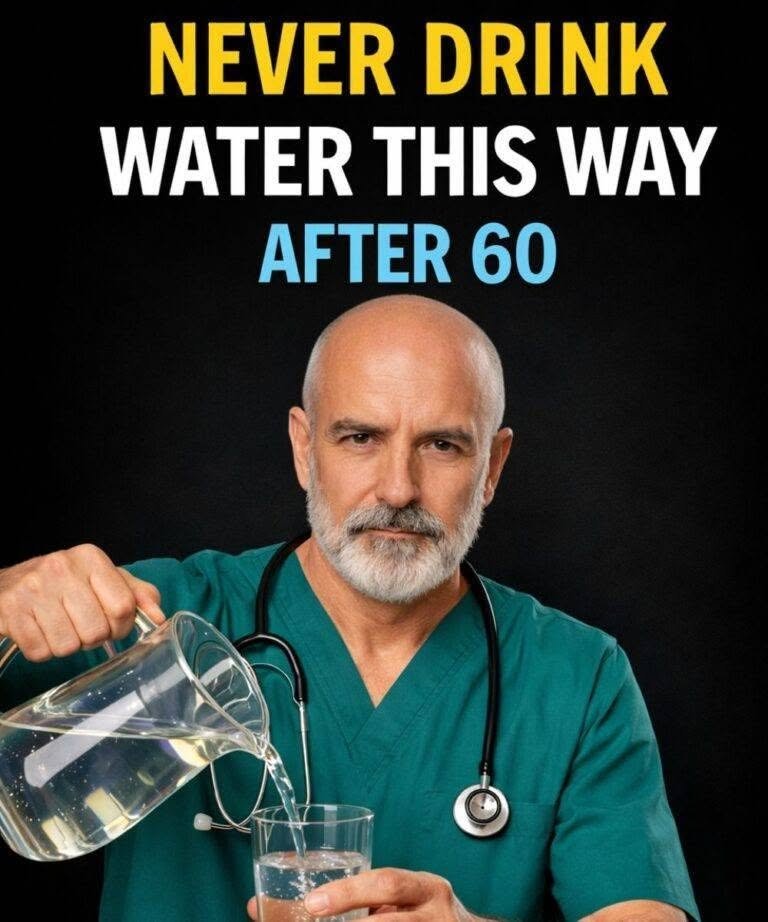
Cardiologists Explain the Right Way to Drink Water After 60 to Support Heart Health
Learn how hydration after 60 affects your heart, blood pressure, circulation, and energy—and discover smart water habits for healthy aging.
Cardiologists Explain the Right Way to Drink Water After 60 to Support Your Heart
Many people think drinking water is one of the simplest things we do.
You feel thirsty. You grab a glass. You drink.
But after the age of 60, hydration becomes more complicated than it was when you were younger.
Your body’s signals can change. Your kidneys may not regulate fluids as efficiently. Certain medications can affect hydration. And even mild dehydration can influence how your heart and circulation work.
This is why many heart specialists emphasize a simple message:
The way you drink water throughout the day matters—not just how much you drink.
Good hydration supports normal blood volume, circulation, temperature regulation, and overall body function.
But there is no single “perfect” amount of water for every person over 60. Your needs depend on your health, activity level, climate, medications, and medical conditions.
Let’s look at what experts recommend about smart hydration habits for healthy aging.
Why Hydration Matters More After 60
Water makes up a large part of the human body.
It helps:
- Carry nutrients through the bloodstream
- Regulate body temperature
- Support digestion
- Maintain normal circulation
- Help muscles and organs function properly
The heart depends on healthy circulation to deliver oxygen and nutrients throughout the body.
When you become dehydrated, your blood volume can decrease, which may make the heart work harder to circulate blood.
The First Rule: Don’t Wait Until You Feel Very Thirsty
One of the biggest changes with aging is that thirst signals may become less noticeable.
A younger person may quickly recognize thirst.
An older adult may not notice dehydration until symptoms appear.
Possible signs of dehydration include:
- Dry mouth
- Dark-colored urine
- Fatigue
- Dizziness
- Headache
- Feeling weak
- Confusion in more severe cases
Instead of waiting for intense thirst, many older adults benefit from making hydration a regular daily habit.
The Best Way to Drink Water After 60
1. Sip Water Throughout the Day
Drinking large amounts all at once is usually unnecessary.
A better approach is spreading fluids across the day.
For example:
- A glass with breakfast
- Water between meals
- Fluids with medications if instructed
- A drink after physical activity
Small, regular amounts are often easier for the body to handle.
2. Start Your Morning With Hydration
After several hours of sleep, your body naturally loses water through breathing and normal body processes.
A glass of water in the morning can help you begin the day hydrated.
However, there is no evidence that morning water alone “cleanses” the body or provides a special heart cure.
Your kidneys and liver already perform those functions.
3. Drink Before and After Activity
Walking, gardening, exercising, or spending time outdoors can increase fluid needs.
Older adults may not always notice fluid loss during activity, especially in warmer weather.
Helpful habits include:
- Drinking water before activity
- Taking breaks
- Replacing fluids afterward
4. Be Careful About Drinking Too Much Water Too Quickly
More water is not always better.
Excessive water intake can dilute sodium levels in the blood, a condition called hyponatremia.
This is uncommon but can be serious.
Signs may include:
- Nausea
- Headache
- Confusion
- Severe fatigue
The goal is balanced hydration—not forcing excessive amounts of water.
How Much Water Should People Over 60 Drink?
There is no universal number that fits everyone.
General hydration needs vary depending on:
- Body size
- Activity
- Weather
- Diet
- Kidney function
- Heart health
- Medications
Some people obtain a significant amount of fluids from foods such as:
- Fruits
- Vegetables
- Soups
- Yogurt
Your healthcare provider may recommend a specific fluid goal if you have certain conditions.
Important: Heart Patients May Need Different Advice
This is where many online hydration tips become misleading.
Some people with heart conditions are advised to limit fluids.
For example, certain individuals with:
- Heart failure
- Kidney disease
- Fluid retention problems
may have personalized fluid recommendations from their healthcare team.
If you have been told to restrict fluids, do not increase water intake without medical guidance.
The Connection Between Water and Blood Pressure
Hydration can influence circulation and blood pressure.
When the body lacks fluids, blood volume may decrease, which can contribute to feelings of lightheadedness, especially when standing.
However, drinking extra water is not a replacement for:
- Blood pressure medication
- Healthy eating
- Exercise
- Medical care
Healthy blood pressure requires a complete approach.
Signs You May Not Be Drinking Enough Water
Pay attention to changes such as:
Dark Urine
Urine color can provide clues about hydration, although some medications and foods can change urine color.
Low Energy
Mild dehydration may contribute to tiredness.
Dry Mouth
A common early sign.
Dizziness When Standing
This can have many causes, including dehydration.
Foods That Help With Hydration
Water is not the only source of fluids.
Hydrating foods include:
- Cucumbers
- Watermelon
- Oranges
- Strawberries
- Lettuce
- Broths
- Soups
A balanced diet naturally contributes to fluid intake.
Common Hydration Mistakes After 60
Mistake 1: Drinking Only When Thirsty
Thirst may not be as reliable as it once was.
Better approach: Create regular hydration habits.
Mistake 2: Drinking Most Water at Night
Large amounts before bed may lead to frequent bathroom trips and disrupted sleep.
Better approach: Drink more earlier in the day.
Mistake 3: Ignoring Medication Effects
Some medications can influence fluid balance.
Examples include certain:
- Diuretics (“water pills”)
- Blood pressure medications
- Other prescriptions
Discuss concerns with your healthcare provider.
Mistake 4: Replacing Water With Sugary Drinks
Sweetened beverages can add unnecessary calories and may not support heart health.
A Simple Heart-Friendly Hydration Routine
Morning
✔ Drink water after waking if desired
✔ Take medications exactly as prescribed
✔ Eat a balanced breakfast
Daytime
✔ Sip fluids regularly
✔ Drink around meals
✔ Increase fluids during activity or hot weather
Evening
✔ Avoid excessive fluids close to bedtime
✔ Pay attention to nighttime bathroom patterns
Mini Scenario: A Smarter Hydration Habit
John, age 68, noticed he felt tired during afternoon walks.
He assumed it was simply aging.
After tracking his habits, he realized he rarely drank water until dinner.
He started carrying a small water bottle and drinking small amounts throughout the day.
Over time, he felt more comfortable during walks.
The change was not a miracle—it was simply correcting a habit that had been easy to overlook.
Frequently Asked Questions
How much water should a 60-year-old drink daily?
Needs vary based on health, activity, climate, and diet. There is no single amount that applies to every person.
Is drinking water good for your heart?
Proper hydration supports normal circulation and body function, which are important for heart health.
Should older adults drink water before bed?
Small amounts may be fine, but drinking large amounts late at night may disturb sleep.
Can drinking water lower blood pressure?
Water supports healthy circulation, but it is not a treatment for high blood pressure.
Do people over 60 need more water?
Not necessarily. Older adults may need to pay closer attention to hydration because thirst signals can change.
Can heart patients drink a lot of water?
Some heart patients need fluid limits. Always follow your healthcare provider’s advice.
What color should urine be if I am hydrated?
Pale yellow urine is often associated with good hydration, though many factors can affect color.
Is warm water better than cold water?
Both can contribute to hydration. Temperature preference is usually a matter of comfort.
Heart-Healthy Hydration Checklist
✔️ Do
- Drink fluids regularly throughout the day.
- Pay attention to thirst and other signs of dehydration.
- Drink more during heat or activity.
- Include water-rich foods.
- Follow your doctor’s fluid recommendations.
❌ Avoid
- Forcing excessive amounts of water.
- Ignoring dehydration signs.
- Drinking most fluids right before bed.
- Changing fluid intake if you have heart or kidney conditions without medical advice.
Conclusion
Water may seem simple, but hydration plays an important role in healthy aging.
After 60, the smartest approach is not drinking as much as possible—it is drinking consistently, paying attention to your body, and adjusting based on your individual health needs.
Your heart, muscles, kidneys, and circulation all depend on a balanced fluid system.
For most older adults, the best hydration habit is simple: drink water regularly throughout the day, avoid extremes, and follow personalized advice if you have heart, kidney, or blood pressure conditions.
Small daily habits can make a meaningful difference in how you feel and function as you age.