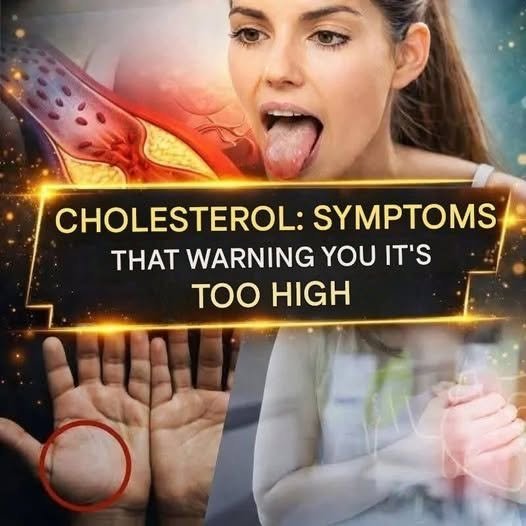
High Cholesterol Symptoms: 9 Warning Signs Your Body May Be Trying to Tell You Something
High cholesterol often has no obvious symptoms, but certain warning signs may appear when levels become dangerous. Learn what to watch for and when to act.
Most people imagine that a serious health problem would come with an obvious warning.
Pain. Fatigue. A noticeable change.
But high cholesterol is different.
It can quietly build up for years without causing any symptoms at all. Many people discover they have high cholesterol only after a routine blood test or after a doctor identifies a related heart health risk.
That silence is what makes cholesterol dangerous.
However, when cholesterol levels remain high for a long time, the effects of cholesterol buildup may eventually create changes in the body. Some warning signs can appear—especially when fatty deposits begin affecting blood vessels or other tissues.
Understanding these signs does not mean every symptom is caused by high cholesterol. Many conditions can create similar changes. But knowing what to look for can help you recognize when it is time to speak with a healthcare professional.
Here are nine possible warning signs linked to high cholesterol and related complications.
1. Chest Pressure or Discomfort During Activity
One of the most important warning signs associated with cholesterol problems is chest discomfort, especially during physical activity.
When excess cholesterol contributes to plaque buildup in arteries, blood flow to the heart may become restricted.
Some people describe it as:
- Pressure
- Tightness
- Squeezing
- Heaviness
- Burning discomfort
This symptom should never be ignored, particularly if it occurs with shortness of breath, sweating, nausea, or pain spreading to the arm, jaw, or back.
Seek urgent medical attention for possible heart attack symptoms.
2. Unusual Shortness of Breath
High cholesterol itself does not usually cause breathing problems.
However, cholesterol-related artery disease can reduce how efficiently the heart receives blood and oxygen.
You may notice:
- Getting tired faster during normal activities
- Feeling unusually winded while walking
- Difficulty keeping up with activities you previously handled easily
Shortness of breath has many possible causes, so it should be evaluated rather than assumed to be cholesterol-related.
3. Yellowish Skin Deposits Around the Eyes
Some people with very high cholesterol levels develop fatty deposits under the skin called xanthelasma.
These appear as:
- Yellow or pale patches
- Flat or slightly raised areas
- Deposits near the eyelids
They are not always caused by high cholesterol, but they can sometimes be associated with abnormal lipid levels.
A healthcare provider can determine whether testing is appropriate.
4. Small Bumps or Lumps on the Skin
Certain people with extremely elevated cholesterol levels may develop cholesterol deposits called xanthomas.
These may appear as:
- Small yellowish bumps
- Firm growths near tendons or joints
- Deposits around the hands, elbows, knees, or feet
They are uncommon, but when they appear, they deserve medical evaluation.
5. Leg Pain While Walking
Cholesterol buildup can affect arteries throughout the body, not just those around the heart.
When circulation to the legs is reduced, some people experience:
- Cramping during walking
- Aching in the calves or thighs
- Pain that improves with rest
This condition is known as peripheral artery disease and can be a sign that arteries elsewhere may also be affected.
6. Numbness or Weakness on One Side of the Body
Long-term cholesterol buildup can contribute to artery narrowing, which increases the risk of blood clots and stroke.
Warning signs of a possible stroke include:
- Sudden weakness or numbness on one side
- Trouble speaking
- Confusion
- Sudden vision problems
- Severe unexplained headache
These symptoms require emergency medical attention.
7. Dizziness or Balance Problems
Dizziness alone does not mean your cholesterol is high.
However, if cholesterol-related artery disease affects blood flow to the brain, some people may experience neurological symptoms.
Any sudden or severe change in balance, coordination, or mental function should be checked promptly.
8. Erectile Dysfunction in Men
Blood vessels involved in sexual function are small and can sometimes show signs of circulation problems earlier than larger arteries.
Reduced blood flow caused by vascular disease may contribute to erectile dysfunction.
While there are many possible causes, persistent erectile difficulties may be worth discussing with a healthcare professional because they can sometimes be linked with cardiovascular health.
9. No Symptoms at All
This may be the most important “warning sign.”
High cholesterol is often called a silent condition because many people feel completely healthy while cholesterol levels are elevated.
You may:
- Exercise regularly
- Feel energetic
- Maintain your normal routine
…and still have high cholesterol.
That is why cholesterol screening matters.
Why High Cholesterol Can Be Dangerous
Cholesterol itself is not harmful. Your body needs cholesterol to build cells and produce certain hormones.
The problem occurs when there is too much low-density lipoprotein (LDL) cholesterol circulating in the blood.
LDL is often called “bad cholesterol” because excessive levels can contribute to plaque buildup inside arteries.
Over time, plaque can:
- Narrow arteries
- Reduce blood flow
- Make arteries less flexible
- Increase the risk of heart attack and stroke
High-density lipoprotein (HDL) cholesterol, sometimes called “good cholesterol,” helps transport cholesterol away from the bloodstream.
A healthy cholesterol balance depends on more than one number.
Who Is More Likely to Have High Cholesterol?
High cholesterol can affect anyone, but certain factors increase risk:
- Family history of high cholesterol
- Increasing age
- Smoking
- High blood pressure
- Diabetes
- Limited physical activity
- Diet high in saturated and trans fats
- Excess body weight
Even people who appear healthy can have elevated cholesterol, which is why testing is important.
How Doctors Check Cholesterol Levels
A cholesterol test, often called a lipid panel, measures several blood fats, including:
- LDL cholesterol
- HDL cholesterol
- Total cholesterol
- Triglycerides
Your healthcare provider looks at these results along with other factors, such as age, lifestyle, medical history, and overall cardiovascular risk.
A single number does not tell the entire story.
Everyday Habits That Support Healthy Cholesterol
Small, consistent changes can help improve cholesterol levels.
Choose more heart-friendly foods
Consider adding:
- Vegetables and fruits
- Whole grains
- Beans and legumes
- Nuts and seeds
- Lean proteins
- Healthy fats
Reduce foods high in saturated fats and avoid trans fats when possible.
Stay physically active
Regular movement can support heart health and improve cholesterol balance.
Activities such as walking, cycling, swimming, or strength training can all contribute to better cardiovascular health.
Avoid smoking
Smoking damages blood vessels and increases cardiovascular risk.
Maintain a healthy weight
Even modest weight changes can influence cholesterol levels for some people.
Common Mistakes People Make About Cholesterol
“I feel healthy, so my cholesterol must be fine.”
High cholesterol often causes no symptoms.
Better approach: Use regular screening rather than feelings alone.
“Only older people need cholesterol checks.”
Cholesterol problems can affect younger adults too, especially with genetic risks or certain health conditions.
Better approach: Follow screening recommendations from your healthcare provider.
“All cholesterol is bad.”
Your body needs cholesterol.
Better approach: Focus on maintaining healthy levels and understanding the difference between cholesterol types.
Frequently Asked Questions
Can you feel when your cholesterol is high?
Usually, no. High cholesterol often has no noticeable symptoms, which is why blood testing is important.
What is the biggest warning sign of high cholesterol?
There may be no direct warning sign. Symptoms usually appear after cholesterol contributes to problems such as artery narrowing or heart disease.
Can high cholesterol cause headaches?
Headaches are not considered a typical symptom of high cholesterol.
How often should cholesterol be checked?
The recommended frequency depends on your age, health history, and risk factors. Ask your healthcare provider what schedule is appropriate for you.
Can exercise lower cholesterol?
Regular physical activity can help improve cholesterol levels and overall heart health.
Can thin people have high cholesterol?
Yes. Body weight alone does not determine cholesterol levels. Genetics and lifestyle factors also matter.
Are cholesterol medications safe?
Many cholesterol-lowering medications are widely used and prescribed based on individual risk factors. Discuss benefits and possible side effects with your healthcare provider.
Can diet alone fix high cholesterol?
Diet can make a meaningful difference, but some people also need medication or additional strategies depending on their cholesterol levels and health risks.
High Cholesterol Awareness Checklist
Do:
☐ Get cholesterol levels checked regularly
☐ Know your LDL, HDL, and triglyceride numbers
☐ Eat more fiber-rich foods
☐ Stay physically active
☐ Manage blood pressure and blood sugar
☐ Discuss family history with your healthcare provider
Avoid:
☐ Assuming you are safe because you feel fine
☐ Ignoring chest discomfort or sudden symptoms
☐ Smoking
☐ Relying only on supplements without medical guidance
☐ Waiting years between health screenings
Final Thoughts
High cholesterol is often dangerous because it does not announce itself.
There may be no pain, no visible change, and no obvious signal until it has already affected your arteries. That is why awareness, regular screening, and healthy daily habits matter.
Your body may sometimes provide clues, but a simple blood test remains one of the most reliable ways to understand your cholesterol levels.
If this information helped you, share it with someone who may benefit and continue learning about practical steps for protecting long-term heart health.
High cholesterol often stays hidden. The best defense is knowing your numbers, recognizing warning signs, and taking action before problems develop.