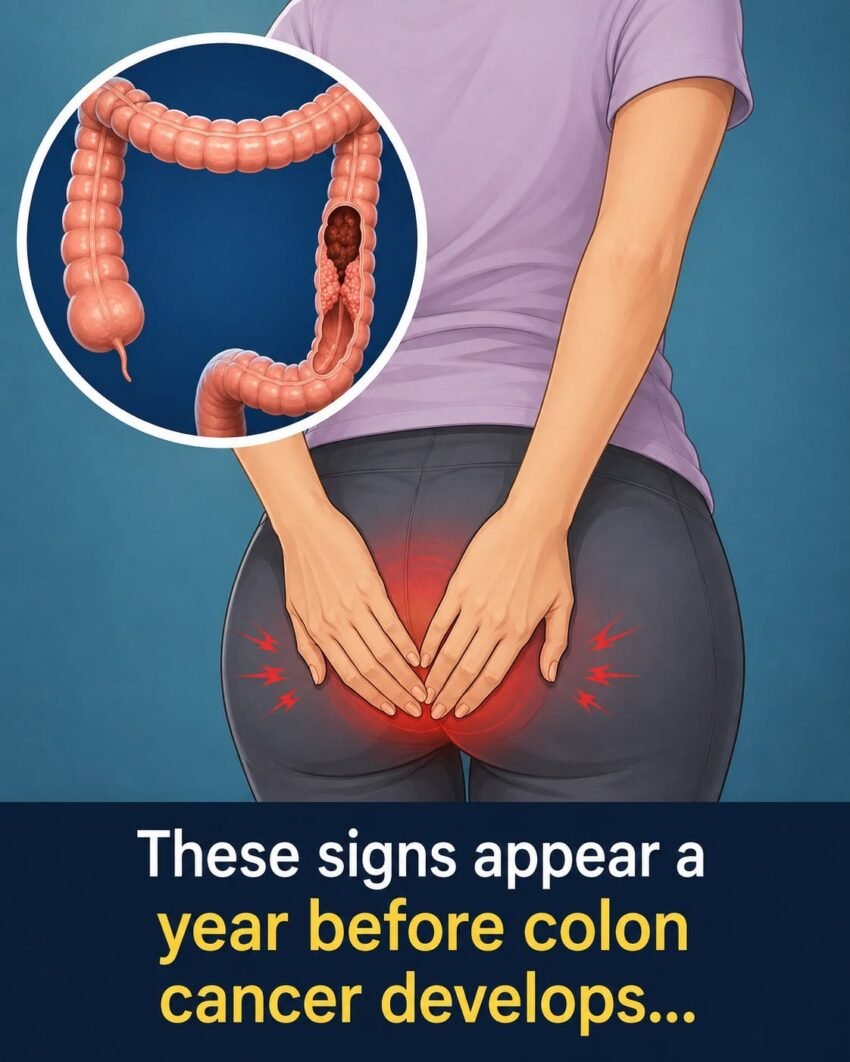
The Whispering Threat: 10 Early Signs of Colon Cancer You Must Never Ignore
Demystify the second deadliest cancer, learn to spot the subtle gastrointestinal warning signs before they escalate, and discover the modern screening protocols that save lives.
Discover 10 early warning signs of colon cancer you should never ignore. Learn about subtle symptoms, screening guidelines, and risk factors.
There is an uncomfortable truth about colorectal cancer: it is one of the most preventable and treatable malignancies—provided it is caught early. Yet, it remains the second leading cause of cancer-related deaths in the United States. Why? Because in its earliest stages, colon cancer is an absolute master of disguise.
For years, abnormal growths called polyps can form on the inner lining of the colon or rectum entirely silently. When these polyps eventually turn malignant and begin to grow, they rarely announce themselves with sudden, dramatic agony. Instead, colon cancer speaks in subtle, easy-to-dismiss shifts in your everyday bathroom habits, persistent abdominal discomfort, and vague fatigue. In a culture where talking about bowel movements is still considered taboo, ignoring these quiet warnings can carry fatal consequences.
Understanding how to read your body’s digestive dashboard before a localized polyp becomes an advanced tumor is vital survival knowledge. Let’s explore the early signs of colon cancer, the modern screening guidelines that are shifting the age demographic, and the actionable steps you can take to protect your digestive health.
Why Early Detection is Your Greatest Shield
Colorectal cancer almost always begins as a benign growth called a polyp. Over a span of 10 to 15 years, certain polyps (known as adenomas) can accumulate genetic mutations and slowly transform into cancer.
This long developmental window is actually a massive medical advantage. If you undergo a routine screening colonoscopy, a gastroenterologist can spot and remove precancerous polyps before they ever have a chance to become malignant. When colon cancer is caught early while still localized to the bowel wall, the 5-year relative survival rate is roughly 91%. Once it spreads to distant organs, that number drops dramatically. Catching the early warning signs is your safety net when screenings are delayed.
10 Early Signs of Colon Cancer You Shouldn’t Ignore
While these symptoms can overlap with common, less serious conditions like irritable bowel syndrome (IBS), hemorrhoids, or food intolerances, any persistent change that lasts for more than a couple of weeks demands a thorough medical investigation.
-
1. Persistent Changes in Bowel Habits: Pay attention to your baseline. If you experience a sudden, unexplained shift in your routine—such as chronic bouts of diarrhea alternating with constipation, or a noticeable change in how often you go—take note.
-
2. A Sensation of Incomplete Evacuation (Tenesmus): If you finish a bowel movement and immediately feel like you still have to go, even though nothing comes out, it can indicate a tumor occupying space in the lower rectum.
-
3. Rectal Bleeding or Blood in the Stool: This is one of the most critical red flags. Whether you notice bright red blood on toilet paper, streaks of blood mixed into the stool, or stools that appear pitch black and tarry (which indicates bleeding higher up in the digestive tract), it is never “just hemorrhoids” until a doctor confirms it.
-
4. Narrow, “Pencil-Thin” Stools: If your stools suddenly become unusually thin and stringy for several days in a row, it can mean a growing mass or tumor is physically narrowing the path through the colon.
-
5. Persistent Abdominal Cramps, Gas, or Pain: Unexplained, nagging discomfort, bloating, or cramping in your lower abdomen that does not resolve with dietary adjustments or over-the-counter antacids can signal a partial blockage caused by a tumor.
-
6. Unexplained Iron-Deficiency Anemia: If routine blood work reveals low hemoglobin and iron levels out of nowhere—leading to chronic fatigue, pale skin, and weakness—it is often the result of slow, microscopic blood loss from a bleeding colon polyp or tumor over time.
-
7. Unintentional, Rapid Weight Loss: Dropping weight without altering your diet or increasing exercise is a systemic red flag. When cancer alters your metabolism and disrupts nutrient absorption, unexplained wasting often follows.
-
8. Chronic, Bone-Deep Fatigue: Feeling profoundly exhausted even after a full night of sleep is a common systemic response to chronic blood loss and the body’s constant immune reaction to malignancy.
-
9. Nausea or Vomiting Without Explanation: As a tumor grows larger, it can create a physical obstruction, preventing digested food from passing smoothly and causing frequent upper GI distress, nausea, or vomiting.
-
10. A Feeling of General Malaise or Weakness: Sometimes the body simply feels “off.” A persistent sense of declining health, lack of vitality, and general weakness that cannot be linked to a specific flu or virus is worth investigating.
Step-by-Step Actionable Screening and Response Protocol
Waiting for symptoms to appear is not a foolproof strategy; proactive screening remains the gold standard.
-
Step 1: Know the Modern Screening Age: In response to a sharp rise in early-onset colorectal cancer among younger adults, guidelines from organizations like the American Cancer Society recommend that average-risk individuals begin regular screenings at age 45 (or earlier if there is a family history).
-
Step 2: Choose Your Screening Method: Discuss options with your doctor. While the colonoscopy remains the gold standard because doctors can remove polyps during the procedure, non-invasive stool-based tests (like FIT or Cologuard) offer alternative options for average-risk patients.
-
Step 3: Track and Document Persistent Symptoms: If you experience any of the 10 warning signs, do not wait for your scheduled screening date. Keep a two-week symptom log and schedule an appointment with a gastroenterologist immediately.
-
Step 4: Advocate for Diagnostics: If your doctor tries to dismiss rectal bleeding or changes in bowel habits as simple hemorrhoids without examining you or ordering tests, seek a second opinion.
Comparing Colorectal Screening Options
| Screening Method | How It Works | Frequency | Key Advantage / Limitation |
| Colonoscopy | A flexible scope with a camera examines the entire colon | Every 10 years (if normal) |
Advantage: Can find and remove polyps in one procedure. Limitation: Requires bowel prep. |
| FIT Test (Fecal Immunochemical Test) | At-home stool test checking for hidden blood | Annually |
Advantage: Non-invasive, no prep. Limitation: Must be done yearly; cannot remove polyps. |
| Cologuard | At-home stool DNA and blood test | Every 3 years |
Advantage: Non-invasive. Limitation: Higher false-positive rate requiring follow-up colonoscopy. |
| CT Colonography (Virtual Colonoscopy) | Specialized CT scan creating 3D images of the colon | Every 5 years |
Advantage: No sedation. Limitation: Still requires bowel prep; cannot remove polyps if found. |
Pros & Cons of Early Screening and Lifestyle Adjustments
-
Undergoing Routine Screening:
-
Pros: Prevents cancer entirely by removing precancerous polyps; catches early-stage cancers when they are easily curable.
-
Cons: Requires dietary restriction and bowel preparation beforehand; minor procedural risks (though extremely rare).
-
Common Mistakes and How to Fix Them
-
Mistake 1: Assuming Rectal Bleeding is Always Hemorrhoids.
-
The Fix: While hemorrhoids are common, bleeding is also the primary warning sign of colorectal cancer. Never self-diagnose bleeding; always request an evaluation or scope to rule out malignancy.
-
-
Mistake 2: Delaying Screenings Out of Fear or Embarrassment.
-
The Fix: Modern colonoscopy prep has evolved to be far more manageable, and patients are completely sedated during the procedure. Do not let temporary awkwardness stand in the way of saving your life.
-
-
Mistake 3: Ignoring Family History Risks.
-
The Fix: If a parent or sibling had colon cancer or advanced polyps, your screening timeline moves up significantly—often starting 10 years younger than the age your relative was diagnosed.
-
Expert Insights: The Rise of Early-Onset Colorectal Cancer
Oncologists and gastroenterologists are grappling with a puzzling modern phenomenon: diagnoses of colorectal cancer in adults under the age of 50 are steadily rising. While genetic factors play a role, researchers point heavily toward environmental shifts—including diets high in ultra-processed foods, chronic sedentary behavior, obesity, and disruptions to the gut microbiome. This worrying trend is why screening guidelines were lowered from age 50 to 45, making vigilance vital across all age brackets.
Future Outlook: Non-Invasive Diagnostics and Precision Medicine
By the late 2020s, early detection technology is evolving past traditional invasive barriers. Advanced liquid biopsy blood tests capable of detecting circulating tumor DNA (ctDNA) associated with colorectal cancer are expanding clinical horizons. While these tests are still supplementing rather than replacing standard colonoscopies, the future points toward rapid, routine blood draws that can screen for multiple cancers simultaneously during annual physicals.
Mini Case Scenario: Dismissed by Youth
Marcus, a 38-year-old fitness instructor in Chicago, noticed bright red blood on the toilet paper after bowel movements, coupled with a lingering sense of fatigue. Because he was young, ate a clean diet, and exercised daily, he convinced himself it was just a minor tear from heavy deadlifting.
For eight months, he brushed it off. When the bleeding grew heavier and he experienced sudden cramping during workouts, his partner urged him to see a specialist. A diagnostic colonoscopy revealed a localized stage II tumor. Because he delayed seeking care based on his age and fitness level, he had to undergo surgery and chemotherapy. Marcus’s story serves as a stark reminder: cancer does not check your ID or care how fit you are.
Frequently Asked Questions
-
Can young people get colon cancer? Yes. While most cases occur in adults over 50, colorectal cancer rates in younger adults (aged 20 to 49) have been rising steadily over the last two decades. Any persistent symptoms in younger populations must be taken seriously.
-
Does eating red meat cause colon cancer? Observational studies by the World Health Organization link high consumption of processed meats (like bacon, hot dogs, and deli slices) and red meat to an increased risk of colorectal cancer. Moderation and whole-food swaps are key.
-
How long does it take for a polyp to turn into cancer? It typically takes anywhere from 10 to 15 years for a benign adenomatous polyp to undergo the genetic mutations necessary to become cancerous, which is why routine screenings save lives.
-
Is bowel preparation really necessary before a colonoscopy? Yes. A completely clean colon is critical so your gastroenterologist can spot tiny, flat polyps or early lesions hidden in folds of tissue. Poor prep can obscure visibility and require a repeat procedure.
-
What is the difference between Crohn’s disease symptoms and colon cancer? Both can cause chronic diarrhea, abdominal pain, and weight loss, but inflammatory bowel diseases like Crohn’s typically begin in younger years and involve chronic autoimmune inflammation, whereas colon cancer screening relies on direct tissue biopsy to confirm malignancy.
-
Can fiber supplements reduce colon cancer risk? A diet rich in natural dietary fiber adds bulk to stool, speeds up transit time, and dilutes potential carcinogens in the colon, significantly supporting long-term digestive health.
-
Does a clean colonoscopy mean I am safe forever? No. A clear colonoscopy typically provides a 10-year window of protection for average-risk individuals because polyps take years to grow, but you must still watch for new symptoms and follow up with your doctor.
-
What should I do if my doctor says I’m “too young” for a colonoscopy when I have symptoms? Advocate for yourself firmly. If you have persistent rectal bleeding, unexplained anemia, or unresolving bowel changes, ask for a formal GI referral or seek a second opinion immediately, regardless of your age.
Action Checklist
-
What to Do:
-
Schedule your baseline screening colonoscopy if you are 45 or older.
-
Keep a symptom log if you experience persistent changes in bowel habits or rectal bleeding.
-
Increase your daily intake of high-fiber whole foods, vegetables, and water.
-
Consult a gastroenterologist immediately if you experience unexplained iron-deficiency anemia.
-
-
What to Avoid:
-
Never assume rectal bleeding is automatically caused by hemorrhoids.
-
Avoid delaying medical evaluations out of fear or embarrassment.
-
Do not ignore a family history of colon cancer or polyps.
-
Never rely on over-the-counter remedies to mask persistent digestive warning signs.
-
Colon cancer whispers long before it shouts. By paying close attention to your body’s subtle digestive shifts, dropping the embarrassment around bathroom habits, and sticking to routine screening schedules, you can intercept this disease long before it ever threatens your future.