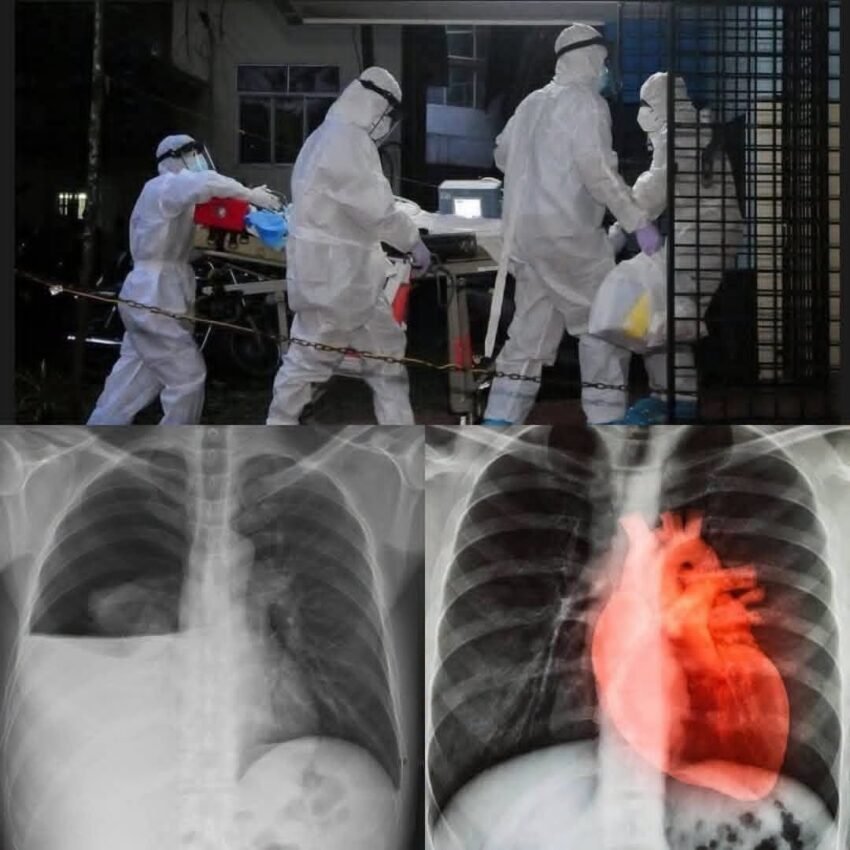
Why Fully Vaccinated Individuals Can Still Catch COVID-19: Understanding Breakthrough Infections and Immunity Dynamics
It is one of the most common points of confusion and frustration during a respiratory virus surge: discovering that someone who is fully vaccinated and boosted has still tested positive for COVID-19.
When headlines or casual conversations highlight that “COVID-19 vaccinated individuals may be ill,” it often triggers skepticism about how well vaccines work. However, understanding the science behind modern immunity reveals why catching the virus after vaccination is normal, expected, and fundamentally different from being entirely unprotected.
The Core Reality: Protection vs. Complete Immunity
To understand why vaccinated people still get sick, it helps to look at how medical science designs respiratory vaccines. Unlike vaccines for measles or polio—which often provide sterilizing immunity that blocks infection entirely—COVID-19 vaccines are primarily engineered to prevent severe illness, hospitalization, and death.
The human respiratory tract is a mucosal environment. Antibodies circulating in your bloodstream from a vaccine do an exceptional job of protecting your lower respiratory tract (your lungs), which is why vaccinated individuals rarely progress to severe pneumonia or critical care. However, those circulating antibodies cannot always completely stop the virus from briefly taking root in your upper airway (your nose and throat).
When the virus manages to replicate in the upper respiratory tract, it causes a “breakthrough infection.” For most vaccinated individuals, this results in mild to moderate symptoms—such as a sore throat, fatigue, or a mild cough—that feel much like a common cold or seasonal flu.
Why Breakthrough Infections Happen
Several distinct factors influence why a vaccinated person can still fall ill:
-
Waning Immunity Over Time: Protection provided by both natural infection and vaccination naturally declines over months. As neutralizing antibody levels drop, the virus finds it easier to bypass your immune system’s initial defense line.
-
Constant Viral Evolution: SARS-CoV-2 is an RNA virus that mutates rapidly. New variants emerge regularly, acquiring slight changes that help them evade antibodies generated by older vaccine formulations.
-
Environmental Exposure Intensity: A high viral load—such as spending hours in a poorly ventilated, crowded indoor space with an actively infected person—can overwhelm even a robust, primed immune system.
What the Data Shows About Severity
While vaccinated individuals can certainly catch and spread COVID-19, the clinical outcomes are drastically different compared to those with zero baseline immunity.
According to public health data and epidemiological tracking, vaccinated individuals who experience a breakthrough infection clear the virus significantly faster, face a dramatically lower risk of long-term post-COVID conditions, and rarely require hospitalization. The vaccine acts like an advanced warning system for your immune system: even if it doesn’t stop the intruder at the front door, it ensures your internal defense force mounts a rapid, organized counterattack before the infection can spiral out of control.
Staying Protected as the Virus Evolves
Because immunity fades and variants shift, public health agencies regularly update vaccine formulations to target currently circulating strains. Staying up to date on annual boosters—especially for older adults and individuals with underlying health conditions—remains the most effective strategy to keep breakthrough infections mild and manageable.
If you or someone you know tests positive despite being vaccinated, monitoring symptoms, resting, and utilizing antiviral treatments if prescribed by a healthcare provider will ensure a safe and swift recovery.