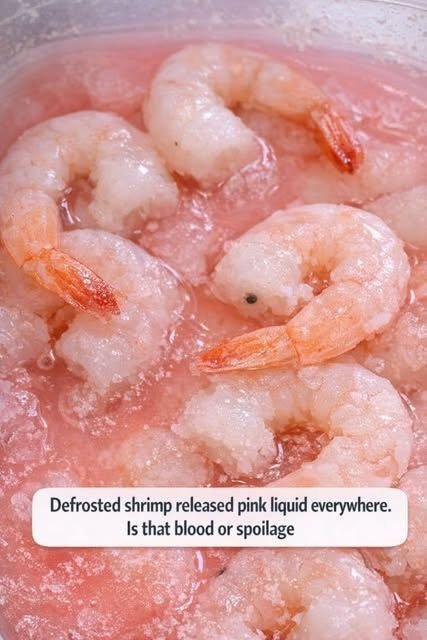
The Pink Liquid Mystery: Is Defrosted Shrimp Blood, Spoilage, or Something Else?
Reaching into your refrigerator to pull out a package of thawing shrimp for dinner, only to find a pool of unsettling pink liquid leaking across the shelf, is enough to make anyone pause. Your stomach drops, your mind races to food poisoning scenarios, and you instantly wonder if your expensive seafood has gone bad.
Before you throw the entire batch into the garbage can, you can rest easy: that pink liquid is almost certainly not blood, nor is it an automatic sign of active spoilage.
Understanding the Pink Liquid: What Is It Actually?
To understand what is happening inside that thawing package, it helps to look at the biology of shrimp and how commercial freezing works.
-
Astaxanthin and Protein-Rich Water: Shrimp shell and flesh contain a natural carotenoid pigment called astaxanthin, which gives crustaceans their characteristic pink or red hue when cooked (and gives flamingos their pink color). When shrimp are frozen, ice crystals form inside their muscle cells. As the shrimp thaw, those ice crystals melt, rupturing some of the delicate cell walls. This releases moisture combined with natural muscle proteins and traces of astaxanthin, creating a pinkish liquid known in the seafood industry as “purge.”
-
The Role of Tripolyphosphate (STPP): Many commercially frozen shrimp are treated with sodium tripolyphosphate to help the meat retain moisture during freezing and thawing. When the ice melts, this added water mixes with the natural juices and pigments, making the puddle look more dramatic and voluminous.
How to Tell the Difference: Fresh vs. Spoiled Defrosted Shrimp
While the pink liquid itself is normal, you still need to evaluate the shrimp to ensure they are safe to eat. Spoiled seafood smells distinct, and relying on multi-sensory checks will keep your kitchen safe.
-
The Smell Test (Your Best Indicator): Fresh shrimp (even after thawing) should smell like clean ocean water, salt, or mild salinity. If you detect an overpowering ammonia smell, sourness, or a sharp chemical odor, the shrimp have spoiled and must be discarded immediately.
-
The Texture Test: Freshly thawed shrimp should feel firm, plump, and springy to the touch. If the shrimp feel excessively mushy, slimy, or disintegrate when you press them between your fingers, bacterial breakdown has taken over.
-
Color and Appearance: While a pink tint in the thawing liquid is normal, the shrimp themselves should maintain a translucent grey-white or light pink color (depending on the species). Discoloration, black spots spreading uncontrollably across the body (beyond normal natural melanosis), or a dull, chalky appearance can indicate poor handling.
Proper Thawing Techniques to Minimize Purge
How you defrost your shrimp dictates how much liquid they release and how well they retain their texture.
-
The Refrigerated Thaw (Best Method): Move the bag of frozen shrimp from the freezer to the refrigerator 12 to 24 hours before cooking. Place the bag inside a deep bowl or on a rimmed plate to catch any natural purging liquid safely. This slow, controlled thaw preserves the texture and minimizes cell damage.
-
The Cold Water Thaw (Fast Method): If you are short on time, place the sealed shrimp in a leak-proof ziplock bag and submerge them in a bowl of cold tap water. Change the water every 10 minutes. They will thaw completely in 15 to 20 minutes without shocking the meat.
-
What to Avoid: Never thaw shrimp on your kitchen counter at room temperature. Leaving raw seafood in the “Danger Zone” (between 40°F and 140°F) allows ambient bacteria to multiply rapidly, turning a normal thawing process into a food safety hazard.
Frequently Asked Questions
Is it safe to cook shrimp if they leaked pink liquid? Yes. As long as the shrimp pass the smell test (clean ocean scent) and feel firm and springy, rinsing them in cold water to wash away the purge is completely standard practice before cooking.
What are the black spots on my shrimp? Are they related to the pink liquid? Those dark spots are caused by melanosis, a natural enzymatic process that occurs in crustaceans after harvesting. While unappealing, it is harmless and doesn’t mean the shrimp are spoiled, provided they smell fresh.
Can I refreeze shrimp after they have thawed? It is not recommended. Refreezing previously thawed shrimp degrades the texture significantly, turning them rubbery and mushy, and increases the risk of bacterial growth.
Action Checklist
-
What to Do:
-
Thaw shrimp slowly in the refrigerator or quickly in a sealed bag submerged in cold water.
-
Rinse thawed shrimp thoroughly under cold running water before cooking.
-
Check the smell and texture to verify freshness.
-
-
What to Avoid:
-
Do not thaw seafood on the kitchen counter at room temperature.
-
Never cook or consume shrimp that emit an ammonia or sour odor.
-
That unsettling pink liquid in your defrosted shrimp is just a harmless mix of melted ice, natural protein, and pigment called purge. As long as your shrimp smell like the ocean and feel firm, rinse them off, fire up the stove, and enjoy your meal with total peace of mind.