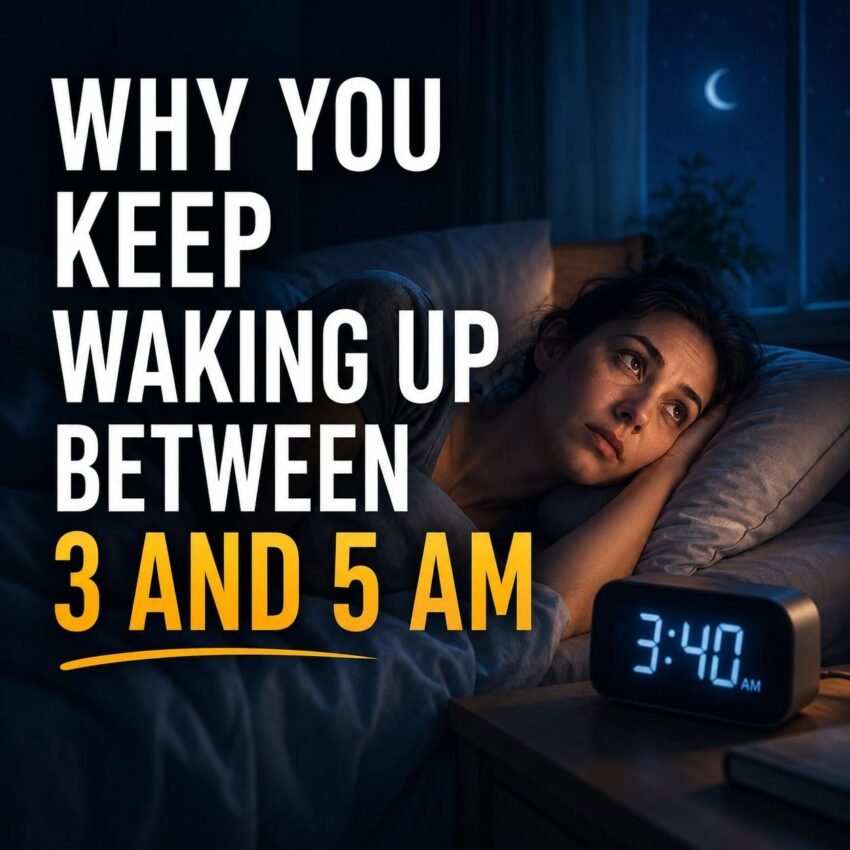
The 3:00 AM Awakening: What Your Body Is Desperately Trying to Tell You
Do your eyes snap open like clockwork in the dead of night, leaving you staring at the ceiling while your mind races? You aren’t just experiencing a random quirk of sleep—you are receiving a direct biological signal.
Waking up at 3 or 4 AM every night? Discover the physiological, hormonal, and psychological reasons behind this common sleep disruption.
The Silent Alarm Clock of the Night
There is something uniquely haunting about waking up in the middle of the night, checking the digital clock glow, and watching it read 3:14 AM.
For centuries, folklore and alternative wellness spaces dubbed this specific window the “witching hour” or assigned mystical emotional meanings to every single minute of the night. But if you talk to sleep physicians, neuroscientists, and endocrinologists, they will tell you a vastly different—and far more scientifically grounded—story.
Waking up consistently between 3:00 AM and 4:00 AM is rarely random. It is a clear, physiological indicator of how your body, nervous system, and metabolic pathways are responding to hidden stress, hormonal shifts, and daily habits.
Let’s pull back the curtain on the mechanics of the midnight wake-up call and explore what your body is trying to communicate.
1. The Cortisol and Stress Loop
By far the most common catalyst for the 3:00 AM jolt is an overactive stress response.
Normally, your body’s primary stress hormone, cortisol, follows a precise 24-hour rhythm. It drops to its lowest baseline levels around midnight to help you stay deeply asleep, and it begins a gradual, gentle climb in the early morning hours to help prep your body for waking up.
However, if you are carrying chronic daily stress, unresolved anxiety, or professional burnout, your baseline nervous system remains stuck in a state of hyperarousal. When that natural early-morning cortisol rise kicks in around 3:00 AM, it hits an already elevated system, crossing a biological threshold that abruptly snaps your brain wide awake.
-
The Sign: You don’t just wake up; you wake up alert. Your heart rate is slightly elevated, and your mind instantly starts playing a loop of your daily to-do list, financial worries, or past social awkwardness.
2. The Architecture of Human Sleep
Many people assume sleep is an unbroken, heavy state from the moment their head hits the pillow until morning. In reality, human sleep operates in dynamic 90-minute cycles alternating between deep, restorative sleep and lighter REM (rapid eye movement) sleep.
-
Front-Loaded Deep Sleep: The first half of the night is heavily weighted toward deep slow-wave sleep, which is physically restorative and hard to disrupt.
-
The Lighter Second Half: By the time 3:00 AM or 4:00 AM arrives, you have already completed the bulk of your deep sleep for the night. The remaining hours are dominated by lighter sleep stages and longer REM periods.
Because you are sleeping much closer to the surface during this window, minor environmental triggers—such as a drop in room temperature, a car driving past outside, a partner shifting, or a subtle internal bladder cue—are far more likely to pull you completely across the threshold into full consciousness.
3. Nocturnal Blood Sugar Dips (Nocturnal Hypoglycemia)
What you eat and drink in the hours leading up to bedtime plays a massive role in whether you sleep through the night.
If you ate a heavy meal loaded with refined carbohydrates or sugar late in the evening—or if you consumed alcohol—your blood glucose experiences a sharp spike followed by a steep crash a few hours later.
When your blood sugar drops too low overnight, your brain perceives it as an acute metabolic emergency. To rescue your dropping glucose levels, your sympathetic nervous system triggers an emergency release of counter-regulatory hormones like adrenaline and cortisol. This sudden surge of adrenaline acts like an internal chemical jolt, elevating your heart rate, spiking your blood pressure, and pulling you out of sleep with an abrupt, unsettling jolt.
4. Hormonal Shifts and Aging
For women navigating perimenopause or menopause, the 3:00 AM wake-up call is practically a rite of passage.
Fluctuating and declining levels of estrogen and progesterone directly impact the hypothalamus—the body’s internal thermostat and sleep-regulation center. This hormonal instability triggers subtle vasomotor symptoms like low-grade hot flashes, micro-sweats, and heightened neurological excitability, pulling women out of rest precisely in the pre-dawn hours.
Simultaneously, natural aging alters baseline sleep architecture. As we grow older, our bodies produce less melatonin, deep sleep naturally decreases, and our internal circadian clocks shift earlier, making fragmented, early-morning awakenings increasingly common.
Comparative Analysis: Why You Wake Up vs. How Your Body Responds
| Primary Trigger | Underlying Biological Mechanism | What It Feels Like Upon Waking |
| Chronic Stress / Anxiety | Premature cortisol and adrenaline surge. | Racing thoughts, active problem-solving, high mental alertness. |
| Blood Sugar Crash | Adrenaline response to nocturnal hypoglycemia. | Mild internal shakiness, rapid heartbeat, sudden panic. |
| Natural Sleep Architecture | Transition into lighter REM-heavy cycles. | Groggy, easily awakened by minor noises or environmental shifts. |
| Hormonal Fluctuations | Estrogen drops and thermal regulation shifts. | Warmth, restlessness, difficulty settling back down. |
Common Pitfalls That Keep You Awake
When you find yourself staring at the ceiling at 3:15 AM, certain common reactions can instantly turn a brief awakening into hours of chronic insomnia:
-
Pitfall 1: Checking the Clock Compulsively.
-
The Danger: Looking at the time triggers an instant mathematical calculation in your brain: “If I fall asleep right now, I only get 3 hours before my alarm.” This calculation spikes anxiety and floods your system with more alertness hormones.
-
-
Pitfall 2: Staying in Bed Battling Your Thoughts.
-
The Danger: Tossing, turning, and staring at the ceiling for hours trains your brain to associate your bed with frustration and wakefulness rather than sleep.
-
-
Pitfall 3: Reaching for Your Smartphone.
-
The Danger: Opening social media or checking emails exposes your retinas to artificial blue light, shutting down remaining melatonin production and tricking your brain into thinking the day has officially begun.
-
Actionable Strategies to Reclaim Your Nights
If you want to stop the 3:00 AM cycle, you need a proactive toolkit:
-
Master the 20-Minute Rule: If you have been awake tossing and turning for roughly 20 minutes, get out of bed. Move to a dimly lit chair, read a boring book, or listen to soft ambient sound until true drowsiness returns. Keep lights low to preserve your melatonin.
-
Ditch Late-Night Sugar and Carbs: Keep your evening meals balanced with adequate protein and healthy fats to stabilize overnight blood glucose and prevent midnight adrenaline crashes.
-
Offload Your Mind Before Bed: Keep a physical notepad on your nightstand. If worries or to-do lists keep waking you up, spend 10 minutes journaling your thoughts earlier in the evening to “download” them out of your head.
-
Turn Your Clock Around: Face your alarm clock toward the wall so you can’t check the time when you experience a natural brief awakening.
Frequently Asked Questions
1. Is it normal to wake up briefly during the night?
Yes. Every human wakes up briefly 4 to 6 times a night between sleep cycles. The difference is that a healthy sleeper rolls over and forgets it happened within seconds, whereas an activated nervous system keeps you fully conscious.
2. Could waking up at 3 AM be a sign of depression?
Yes. Persistent early-morning awakenings combined with trouble falling back asleep are a classic diagnostic symptom associated with clinical depression and high chronic anxiety.
3. When should I see a doctor about middle-of-the-night awakenings?
If you consistently wake up gasping for air (which can indicate sleep apnea), experience severe chronic insomnia three or more nights a week for over three months, or find that daytime fatigue is severely impacting your quality of life, consult a physician or sleep specialist.
Action Checklist
What to Do:
-
Turn your bedroom clock around so you aren’t tempted to check the time when you wake up.
-
Keep your bedroom cool, dark, and quiet to minimize environmental triggers during lighter sleep windows.
-
Incorporate a wind-down routine free of screens for at least an hour before bed.
What to Avoid:
-
Consuming alcohol close to bedtime, which fragments sleep architecture and triggers early morning wake-ups.
-
Staring at your smartphone screen in the dark when you wake up.
Waking up at 3 or 4 in the morning is your body’s way of sending you a message—whether it’s pointing to unmanaged stress, fluctuating blood sugar, or shifting hormones. By listening to these signals, adjusting your evening habits, and learning how to quiet your nervous system in the dark, you can reclaim your nights and wake up genuinely refreshed.