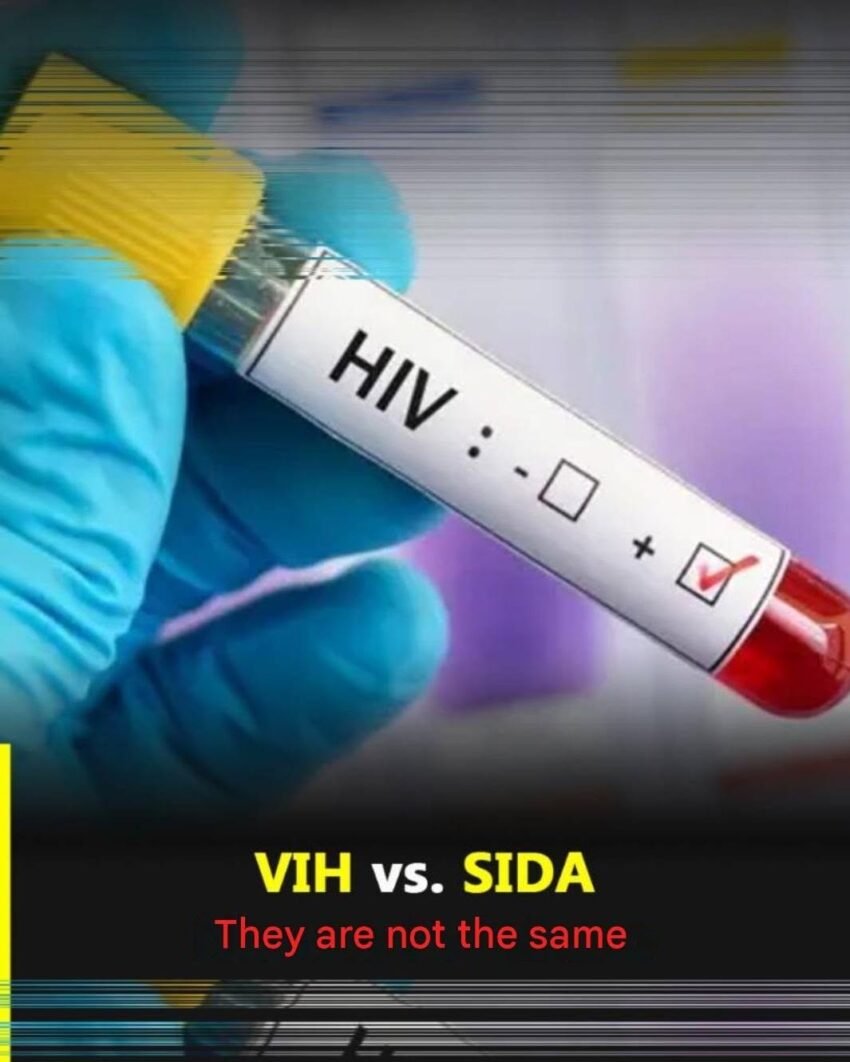
The Crucial Difference Between HIV and AIDS: Why They Are Not the Same Thing
Medical terminology is frequently misused in casual conversation, but few distinctions are as critical—or as frequently misunderstood—as the difference between HIV and AIDS. In headlines, pop culture, and everyday speech, the two acronyms are often jammed together as if they describe the exact same medical condition.
They do not. Conflating them not only spreads medical misinformation but also feeds unnecessary panic and social stigma. Understanding why HIV and AIDS are distinct stages of the same continuum clarifies how modern medicine has transformed a once-fatal diagnosis into a manageable chronic condition.
Defining the Terms: What Is HIV?
HIV stands for Human Immunodeficiency Virus. It is a specific type of virus called a retrovirus that attacks the body’s immune system—specifically CD4 cells, commonly known as T-cells. These are the white blood cells that help your immune system fight off infections, viruses, and diseases.
When a person contracts HIV, the virus enters these cells and uses their machinery to replicate, gradually destroying them over time. Without medical intervention, the virus slowly chips away at the immune system’s structural integrity, leaving the body vulnerable to opportunistic infections that a healthy immune system would normally brush off with ease.
Defining the Terms: What Is AIDS?
AIDS stands for Acquired Immunodeficiency Syndrome. It is not a virus; rather, it is a syndrome—a collection of symptoms and clinical conditions—representing the most advanced, severe stage of an HIV infection.
A person does not automatically “catch” AIDS. Instead, a person is diagnosed with AIDS only when their immune system is severely compromised. Clinically, this is defined by two primary milestones:
-
A plummeting CD4 cell count: Dropping below 200 cells per cubic millimeter of blood (compared to a typical healthy range of 500 to 1,500).
-
The presence of opportunistic infections: Contracting one or more specific defining illnesses, such as Pneumocystis pneumonia, Kaposi’s sarcoma, or severe fungal infections that a functioning immune system would easily suppress.
Comparing HIV and AIDS
| Feature | HIV (Human Immunodeficiency Virus) | AIDS (Acquired Immunodeficiency Syndrome) |
| Medical Classification | A blood-borne pathogen / retrovirus | A clinical syndrome / advanced disease stage |
| Timeline | The starting point of infection (can last decades untreated) | The final stage of untreated HIV progression |
| Immune Status | CD4 counts may be normal or gradually declining | CD4 counts are severely depleted (<200 cells/mm³) |
| Reversibility | Managed lifelong with antiretroviral therapy (ART) | Reversible if treatment restores immune function |
The Modern Medical Reality: Treatment Changes Everything
Decades ago, contracting HIV meant an almost inevitable progression to AIDS and, eventually, fatal complications. Today, medical science has completely rewritten that narrative through Antiretroviral Therapy (ART).
ART consists of a daily regimen of medications that stop the virus from replicating. When taken consistently, ART reduces the viral load in the blood to “undetectable” levels. An undetectable viral load means two life-changing things:
-
Health Preservation: The immune system remains strong, and the person will never progress to AIDS.
-
U=U (Undetectable = Untransmissible): The virus cannot be sexually transmitted to partners.
Common Misconceptions and Why Language Matters
Using HIV and AIDS interchangeably creates a lingering sense of doom that no longer reflects medical reality. When people assume an HIV diagnosis is an immediate death sentence, they may avoid testing, delay treatment, or experience debilitating social stigma.
-
Misconception: Everyone with HIV eventually gets AIDS.
-
The Fact: With early diagnosis and consistent access to modern medication, people with HIV live long, healthy lives and never develop AIDS.
-
Misconception: You can tell if someone has HIV or AIDS by looking at them.
-
The Fact: Individuals managing their HIV with medication look and live just like anyone else, maintaining normal immune function.
Expert Insights: The Power of Early Detection
Public health officials and infectious disease specialists stress that early testing is the ultimate tool in managing the virus. Because early-stage HIV often presents no symptoms—or symptoms that mimic a mild flu—routine annual screening is the only way to catch it before natural immune decline begins.
Frequently Asked Questions
Can someone with AIDS revert to having just HIV?
Yes. If an individual with an AIDS diagnosis begins antiretroviral therapy, their CD4 cell count can rebound and their viral load can drop to undetectable levels, moving them out of the AIDS classification.
Is HIV curable?
While rare functional cures have been documented through aggressive stem cell transplants for cancer treatments, standard management relies on lifelong ART to suppress the virus completely.
Can you transmit AIDS?
No. You transmit the virus (HIV), not the syndrome (AIDS).
How long does it take for HIV to turn into AIDS without treatment?
On average, it takes about 8 to 10 years for an untreated HIV infection to progress to AIDS, though this varies based on individual health and genetics.
What are the first signs of HIV infection?
Within 2 to 4 weeks of exposure, some people experience flu-like symptoms, including fever, fatigue, swollen lymph nodes, and a rash.
Does an undetectable viral load mean I am cured?
No. It means the virus is controlled to the point of being untraceable in standard blood tests, but it will rebound if medication is stopped.
Can you live a normal lifespan with HIV?
Absolutely. Thanks to modern ART, individuals diagnosed and treated early can expect a near-normal life expectancy.
Action Checklist
-
Do: Get tested regularly for HIV as part of your routine healthcare maintenance.
-
Do: Practice safe sex strategies, including barrier methods and discussing PrEP (Pre-Exposure Prophylaxis) with a healthcare provider if appropriate.
-
Do: Support medical accuracy by using correct terminology when discussing health topics.
-
Avoid: Delaying medical care out of fear or outdated assumptions about HIV treatment.
-
Avoid: Perpetuating the stigma that equates an HIV diagnosis with an AIDS progression.
Clearing up the distinction between HIV and AIDS humanizes a medical condition that affects millions worldwide, replacing fear and outdated myths with science, empathy, and effective care.
HIV is a manageable virus, while AIDS is the advanced, late-stage consequence of leaving that virus untreated. Modern medicine ensures that a diagnosis is just the beginning of a healthy, long life—not the end of it.
What are your thoughts on how public health education can better reduce medical stigma? Share your perspective in the comments below!