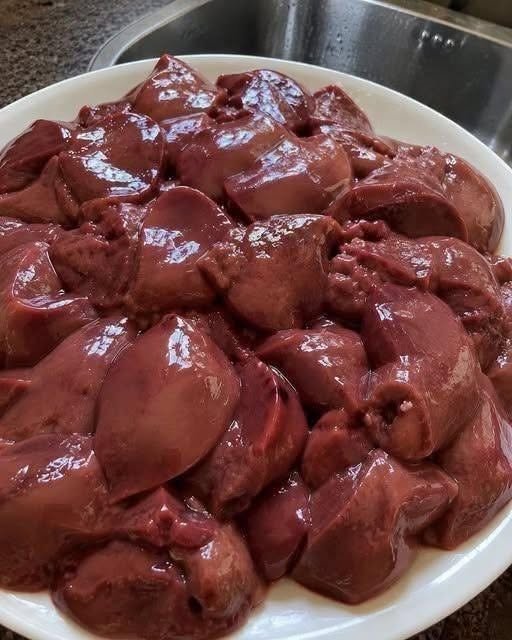
The Hidden Dangers of Eating Chicken Liver Too Often: What Doctors Want You to Know
Pailed as a nutritional powerhouse packed with iron, folate, and vitamin B12, chicken liver frequently tops the list for health-conscious foodies looking to optimize their diets. However, medical professionals and clinical nutritionists issue a critical caution regarding this popular organ meat: while highly beneficial in moderation, overindulging in chicken liver can lead to unexpected health complications.
Understanding why doctors recommend keeping chicken liver to a strict weekly limit requires looking at how the human body processes concentrated micronutrients.
1. Vitamin A Toxicity (Hypervitaminosis A) The most prominent medical concern associated with eating liver is its extreme concentration of preformed vitamin A (retinol). Unlike water-soluble vitamins that your body flushes out easily when consumed in excess, vitamin A is fat-soluble and accumulates in your liver and fat tissue over time. Consuming chicken liver daily can push your retinol levels past the safe upper limit, leading to hypervitaminosis A. Symptoms include chronic headaches, dizziness, nausea, blurred vision, and in severe chronic cases, weakened bones and an increased risk of fractures.
2. Dangerous Copper Overload Organ meats act as storage sponges for minerals, particularly copper. While copper is an essential trace element required for red blood cell production and immune function, too much of it becomes toxic. A surplus of copper can trigger acute digestive distress—such as severe abdominal pain, vomiting, and diarrhea—and place an unnecessary burden on your metabolic filtering systems.
3. Purines and Gout Flare-Ups Chicken liver is exceptionally high in purines, organic compounds that break down into uric acid within the body. For individuals prone to gout, high uric acid levels lead to sharp, excruciating crystal deposits forming in the joints. Eating purine-dense organ meats frequently can trigger sudden, painful gout attacks.
4. Food Safety Risks: Campylobacter and Salmonella Beyond nutritional overload, public health agencies like the USDA emphasize the physical risks of improperly prepared poultry liver. Because livers filter toxins and sit closely to the digestive tract of the bird, they are frequently contaminated with pathogens like Campylobacter and Salmonella. Dishes like soft pâtés, mousses, or undercooked “pink” chicken livers pose a severe food poisoning risk if not cooked thoroughly to a minimum internal temperature of 165°F (73.9°C).
How to Enjoy Chicken Liver Safely
You do not need to banish chicken liver from your meal plan entirely, but strategy matters:
-
Practice Moderation: Most clinicians recommend limiting your intake to a single 3-to-4-ounce serving per week.
-
Special Caution During Pregnancy: Expectant mothers should exercise extreme caution with chicken liver. High doses of preformed vitamin A during the first trimester are directly linked to an increased risk of developmental birth defects.
Chicken liver is an incredible source of vital nutrients when treated like a dietary supplement rather than a main daily protein. Honor moderation, cook it thoroughly, and your body will reap the benefits without suffering the toxic overload.