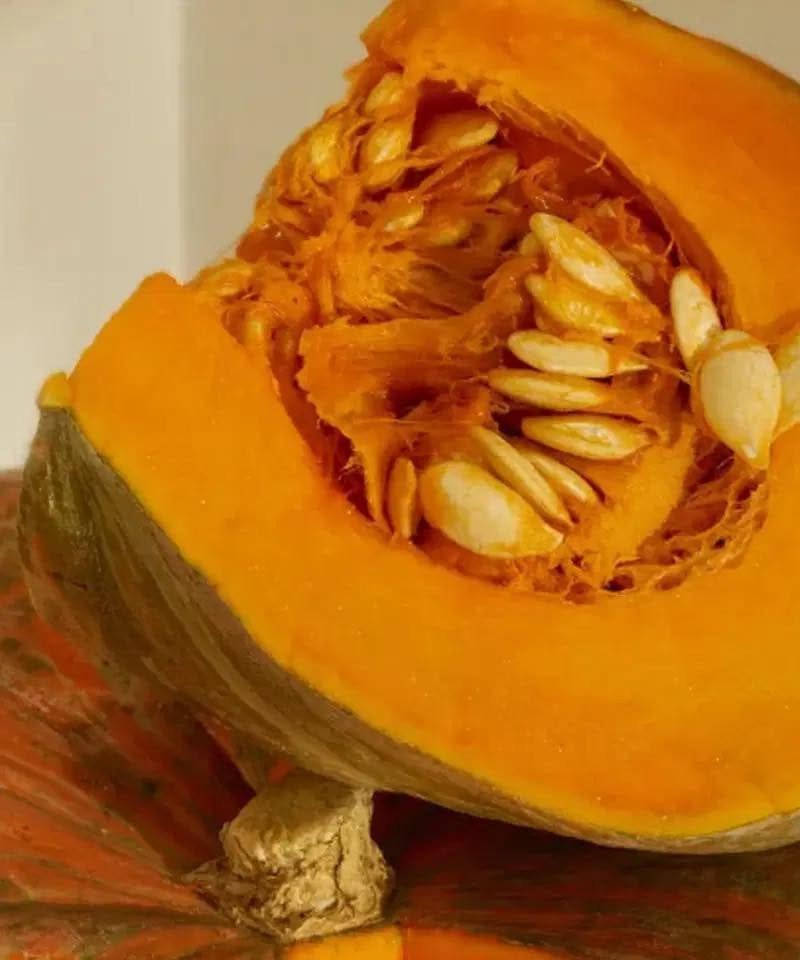
Beyond the Pumpkin Spice Latte: Surprising Health Benefits of Eating Real Pumpkin
When autumn arrives, pumpkin becomes an inescapable cultural phenomenon, flavoring everything from lattes and candles to protein powders and cookies. Unfortunately, most of these seasonal treats rely heavily on artificial flavorings, high-fructose corn syrup, and refined sugars, completely missing the immense nutritional value of the actual squash.
When nutritionists and physicians look past the marketing hype, real pumpkin emerges as a nutritional powerhouse. Packed with bioactive plant compounds, dense fiber, and essential micronutrients, incorporating whole pumpkin into your regular diet yields profound health benefits that extend far beyond fall festivities.
The Nutritional Profile: Why Pumpkin Deserves a Spot on Your Plate
Real pumpkin—whether roasted, puréed, or steamed—is exceptionally low in calories yet remarkably high in vital nutrients. A single cup of cooked pumpkin contains more than 200% of your daily recommended intake of vitamin A, alongside generous amounts of potassium, magnesium, vitamin C, and iron.
Its vibrant bright orange color acts as a natural billboard for carotenoids, powerful antioxidants that protect cells from oxidative stress and support lifelong immune function.
5 Surprising Health Benefits of Regular Pumpkin Consumption
1. Exceptional Support for Ocular Health and Vision
-
The Mechanism: Pumpkin is loaded with beta-carotene, lutein, and zeaxanthin. Your body converts beta-carotene into vitamin A, which is essential for maintaining clear night vision and keeping the cornea healthy.
-
The Impact: Lutein and zeaxanthin accumulate in the retina, acting as natural internal sunglasses that filter out harmful high-energy blue light and reduce the long-term risk of age-related macular degeneration and cataracts.
2. Accelerated Immune System Defense
-
The Mechanism: The combination of high vitamin A, vitamin C, and iron found in pumpkin acts as a multi-layered shield for your immune cells.
-
The Impact: Vitamin C stimulates the production of white blood cells and enhances their ability to fight pathogens, while vitamin A maintains the structural integrity of mucosal barriers in your respiratory and digestive tracts, stopping germs before they enter the bloodstream.
3. Enhanced Cardiovascular Health and Blood Pressure Regulation
-
The Mechanism: Pumpkin is rich in potassium, dietary fiber, and antioxidants, all of which play a pivotal role in maintaining optimal heart function.
-
The Impact: Potassium helps neutralize the negative effects of sodium by relaxing blood vessel walls, which lowers systemic blood pressure. Simultaneously, the soluble fiber helps bind to cholesterol in the gut, supporting healthy LDL cholesterol levels.
4. Sustained Weight Management and Blood Sugar Control
-
The Mechanism: Despite its naturally sweet flavor and starchy texture, pumpkin has a remarkably low glycemic index and provides about 3 grams of fiber per cooked cup.
-
The Impact: The dense fiber content slows down digestion and the absorption of carbohydrates, preventing sharp insulin spikes. This promotes prolonged satiety, making it an ideal food for managing appetite and supporting healthy weight loss.
5. Cellular Protection and Reduced Systemic Inflammation
-
The Mechanism: The powerful alpha-carotene, beta-carotene, and other antioxidants present in pumpkin neutralize unstable free radicals that cause cellular damage.
-
The Impact: By scavenging free radicals, these compounds dampen chronic, low-grade systemic inflammation, which is increasingly recognized by medical researchers as a foundational driver of heart disease, cognitive decline, and certain cancers.
Step-by-Step Guide: How to Incorporate Real Pumpkin Into Your Daily Diet
To reap these health benefits, you need to swap processed pumpkin spice items for real, whole-food squash. Follow these simple steps:
-
Choose Whole or Pureed: Buy whole pie pumpkins to roast at home, or stock up on canned 100% pure pumpkin purée (ensuring the ingredient list reads only “pumpkin” with no added sugars or spices).
-
Upgrade Savory Dishes: Stir a half-cup of pumpkin purée into your morning oatmeal, savory soups, chili, or marinara sauces to add a velvety texture and an invisible nutritional boost.
-
Roast the Seeds: Never throw away the pumpkin seeds (pepitas). Toss them in olive oil and sea salt, then roast them at 160°C (325°F) for 20 minutes to harvest a rich dose of plant-based magnesium, zinc, and healthy fats.
-
Bake Smart: Use pumpkin purée as a healthy fat and moisture substitute in baking recipes like muffins or pancakes, replacing a portion of the butter or oil.
Comparative Analysis: Processed Pumpkin Products vs. Whole Pumpkin
Common Mistakes and How to Avoid Them
-
Mistake 1: Confusing Pumpkin Pie Mix with Pure Pumpkin. Grabbing a can of “pumpkin pie mix” off the supermarket shelf, assuming it is healthy.
-
The Fix: Always read the label. Pumpkin pie mix is pre-loaded with massive amounts of refined sugar and spices. Always buy cans labeled 100% Pure Pumpkin.
-
-
Mistake 2: Relying Solely on Lattes for Nutrition. Believing that seasonal coffee shop drinks provide authentic vegetable benefits.
-
The Fix: Understand that most commercial pumpkin drinks contain zero actual pumpkin, relying entirely on synthetic syrups and dairy fats. Enjoy them as an occasional treat, not a health food.
-
Frequently Asked Questions
Can eating too much pumpkin turn your skin orange? Yes. Consuming excessive amounts of beta-carotene-rich foods like pumpkin, carrots, or sweet potatoes can lead to a harmless, reversible condition called carotenodermia, where the outer layers of the skin take on a yellowish-orange tint.
Is canned pumpkin just as healthy as fresh pumpkin? Yes. Commercially canned 100% pure pumpkin is packed shortly after harvest, locking in its vitamins and fiber. It is often just as nutrient-dense—and sometimes more concentrated—than fresh pumpkins left sitting on grocery store shelves for weeks.
Can dogs eat pumpkin? Absolutely. Plain, canned pumpkin is frequently recommended by veterinarians as a safe, natural remedy to help regulate canine digestion, soothe mild upset stomachs, and add beneficial fiber to a dog’s diet.
Real pumpkin is far more than a passing seasonal trend. By trading sugary artificial flavorings for nutrient-dense, whole-food pumpkin purée and roasted seeds, you unlock a powerful array of health benefits that protect your eyes, heart, and immune system all year round.