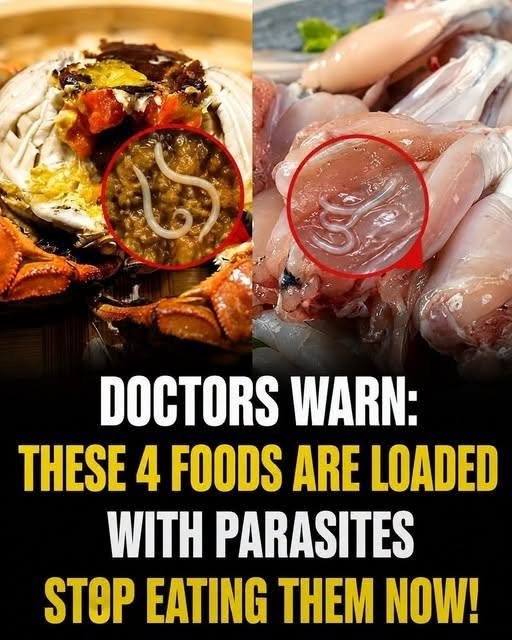
Doctors Warn: These 4 Popular Foods May Hide Dangerous Parasites — What You Need to Know Before Eating Them
Some common foods can carry parasites if they are not prepared safely. Learn which foods pose risks, warning signs of infection, and simple ways to protect your health.
Introduction
A meal can look fresh, smell delicious, and still carry an invisible risk.
Most people think about food safety in terms of bacteria, expiration dates, or cleanliness. But another concern often goes unnoticed: parasites—tiny organisms that can enter the body through contaminated food and cause illness.
The good news? You do not need to fear your favorite foods. Many foods linked to parasite risks are completely safe when handled, cooked, or prepared correctly.
The key is knowing where risks exist and understanding the simple steps that reduce them.
Here are four popular foods that health experts commonly associate with parasite exposure—and what you can do to enjoy them safely.
1. Raw or Undercooked Fish
Sushi, sashimi, ceviche, and other raw seafood dishes have become increasingly popular around the world.
While many restaurants follow strict food safety standards, raw fish can sometimes carry parasites such as Anisakis, a type of worm that can infect humans.
How Exposure Happens
Certain marine fish can naturally contain parasite larvae. When people eat infected fish that has not been properly treated, the parasite may enter the digestive system.
Possible symptoms include:
- Severe stomach pain
- Nausea
- Vomiting
- Diarrhea
- Digestive discomfort
Symptoms may appear shortly after eating contaminated seafood.
How to Reduce Risk
You do not necessarily need to avoid seafood. Instead:
- Choose reputable restaurants.
- Eat properly prepared seafood.
- Follow food safety guidance.
- Understand that freezing procedures used for many commercial raw fish products help reduce parasite risk.
Cooking fish thoroughly remains one of the most reliable ways to destroy parasites.
2. Undercooked Pork
Pork has historically been associated with parasite infections, particularly Trichinella, a parasite that can be transmitted through undercooked meat.
Modern food production has greatly reduced the risk in many countries, but improper cooking can still create problems.
Symptoms of Infection
Early symptoms may include:
- Stomach discomfort
- Nausea
- Diarrhea
- Fever
Later symptoms can include:
- Muscle pain
- Weakness
- Swelling around the eyes
Safer Preparation Tips
To reduce risk:
- Cook pork to a safe internal temperature.
- Avoid eating raw or poorly cooked pork.
- Use a food thermometer when preparing thicker cuts.
- Prevent cross-contamination between raw meat and other foods.
A properly cooked pork meal can be both safe and nutritious.
3. Fresh Produce That Is Not Properly Washed
Many people associate parasites only with meat, but fruits and vegetables can also become contaminated.
Produce may come into contact with contaminated:
- Soil
- Water
- Fertilizers
- Handling surfaces
Leafy greens, herbs, berries, and vegetables eaten raw deserve extra attention.
Common Mistake
A quick rinse under water may not remove all contaminants, especially if dirt or microorganisms are trapped in folds and crevices.
Safer Produce Habits
Before eating:
- Wash hands before handling food.
- Rinse fruits and vegetables under running water.
- Scrub firm produce when appropriate.
- Remove damaged or bruised areas.
- Keep raw produce separate from raw meat.
Fresh produce is an important part of a healthy diet, and proper preparation keeps it safer.
4. Raw or Undercooked Shellfish
Shellfish such as oysters, clams, and mussels are enjoyed by many people, especially in coastal areas.
However, consuming raw shellfish carries certain health risks because these animals filter large amounts of water and may accumulate contaminants.
Possible concerns include:
- Parasites
- Bacteria
- Viruses
Who Should Be Especially Careful?
People with certain health conditions may face higher risks from raw shellfish, including those with:
- Liver disease
- Weakened immune systems
- Certain chronic illnesses
Cooking shellfish thoroughly reduces many foodborne risks.
Why Parasites Are Hard to Notice
Unlike spoiled food, parasite-contaminated food often looks completely normal.
There may be:
- No unusual smell
- No visible changes
- No obvious warning signs
That is why prevention matters more than trying to identify contaminated food after the fact.
Food safety habits are your first line of defense.
Common Symptoms of Foodborne Parasite Infections
Symptoms vary depending on the parasite and the person’s health.
Possible signs include:
- Persistent stomach pain
- Diarrhea lasting several days
- Nausea or vomiting
- Unexplained weight loss
- Fatigue
- Fever
- Muscle pain
- Digestive changes that do not improve
If symptoms are severe, persistent, or accompanied by dehydration, medical advice should be sought.
People at Higher Risk
While anyone can become infected, some groups need extra caution:
- Older adults
- Young children
- Pregnant individuals
- People with weakened immune systems
For these groups, preventing infection is especially important.
Food Safety Habits Doctors Recommend
Simple habits can dramatically reduce food-related risks.
Wash Your Hands
Wash hands:
- Before cooking
- Before eating
- After handling raw meat or seafood
Separate Raw and Ready-to-Eat Foods
Use separate cutting boards when possible.
Avoid placing cooked food on surfaces that held raw ingredients.
Cook Foods Properly
Heat destroys many harmful organisms, including many parasites.
Store Food Safely
Keep foods refrigerated when needed and avoid leaving perishable foods at room temperature for long periods.
Buy Food From Trusted Sources
Reputable stores, markets, and restaurants generally follow stronger safety practices.
Are Parasites Common in Everyday Food?
Parasite infections from food are not something most people encounter regularly, especially in places with strong food safety systems.
However, risks still exist.
The goal is not fear—it is awareness.
Many traditional foods around the world involve raw or minimally cooked ingredients, and millions of people enjoy them safely because proper preparation methods are followed.
Myths About Food Parasites
Myth: Freezing Always Makes Food Completely Safe
Freezing can reduce certain parasite risks, but it does not replace proper food handling and preparation.
Myth: If Food Looks Good, It Is Safe
Appearance alone cannot confirm safety.
Myth: Only Foreign Foods Carry Parasites
Parasite risks can exist in foods from anywhere if preparation and handling are unsafe.
Frequently Asked Questions
1. Can you see parasites in food?
Usually not. Many parasites are microscopic or hidden inside tissues, making visual detection unreliable.
2. Does cooking kill food parasites?
Proper cooking can destroy many parasites and is one of the most effective prevention methods.
3. Is sushi safe to eat?
Sushi from reputable sources that follow proper food safety procedures is generally considered lower risk, but raw seafood always carries some level of risk.
4. Can vegetables contain parasites?
Yes. Produce can become contaminated through soil, water, or handling.
5. How long after eating contaminated food do symptoms appear?
It depends on the parasite. Symptoms may appear within hours, days, or sometimes longer.
6. Should I stop eating these foods?
Not necessarily. Safe preparation and informed choices are usually the best approach.
7. Are older adults more vulnerable?
Yes. Older adults may have a higher risk of complications from foodborne infections.
8. When should I see a doctor?
Seek medical advice for severe symptoms, prolonged diarrhea, dehydration, blood in stool, high fever, or symptoms that do not improve.
Food Safety Checklist
Do:
✅ Cook meat and seafood thoroughly
✅ Wash fresh produce carefully
✅ Buy food from reliable sources
✅ Store foods at safe temperatures
✅ Wash hands before preparing meals
✅ Use safe kitchen practices
Avoid:
❌ Eating raw or undercooked meat
❌ Consuming questionable seafood
❌ Ignoring persistent digestive symptoms
❌ Cross-contaminating cooked foods with raw ingredients
Conclusion
The idea of parasites hiding in food can sound alarming, but knowledge is the best protection.
You do not have to eliminate your favorite foods. Instead, focus on preparation, hygiene, and smart choices.
A few simple habits—washing produce, cooking foods properly, and choosing trustworthy sources—can greatly reduce your risk while allowing you to enjoy a wide variety of meals.
Parasites can sometimes be linked to popular foods, but safe preparation and good food habits make most meals enjoyable and much safer.
Have you ever changed the way you prepare a food after learning about a health risk? Share your experience and explore more practical health guides for everyday living.