The Cloth Diaper Era: What Parenting Was Really Like Before Pampers Changed Everything
Modern parenting relies heavily on the convenience of ultra-absorbent, disposable diapers that can be ripped off and tossed into a bin without a second thought. For generations of parents today, the idea of a diaper is synonymous with plastic tabs, chemical gels, and colorful cartoon packaging.
Step back just a few decades, however, and the daily reality of infant care looked entirely different. Before Victor Mill invented Pampers and brought disposable diapers to mass-market prominence in the early 1960s, every baby in America was raised in cloth.
The Domestic Routine: Life with Prefolds and Pins
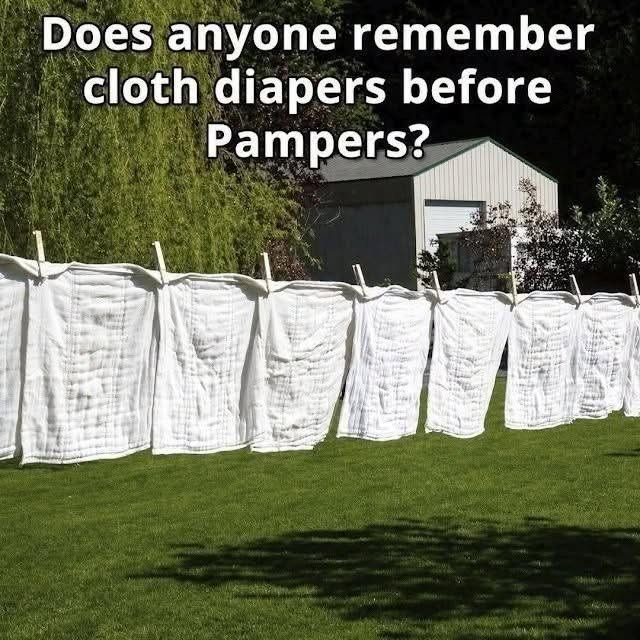
Raising a baby before disposables meant managing a relentless domestic cycle centered around the laundry room. Standard cloth diapering relied on flat cotton gauze squares or prefolded multi-layer pads that required meticulous folding techniques to fit a squirming infant.
-
The Safety Pin Hazard: Securing these diapers required heavy-duty safety pins featuring locking plastic heads to prevent accidental pricks. Every diaper change was a high-stakes operation involving quick fingers and strategic pinning.
-
Rubber Pants: Because cloth cotton leaks moisture instantly, babies wore milky-white or pastel rubber or plastic bloomers over their diapers to protect clothing and bedding. These covers trapped heat and frequently contributed to severe diaper rash.
-
The Diaper Pail System: Every household featured a dedicated, heavy-duty metal or plastic diaper pail filled with water and a deodorizing tablet (often containing borax or vinegar) where soiled cottons soaked until wash day.
The Diaper Service Phenomenon
For urban and suburban middle-class families in the mid-20th century, commercial diaper services served as a suburban lifeline. Delivery trucks from local companies would drop off stacks of fresh, commercially laundered, sterilized cloth diapers every week and pick up heavy bags of soiled ones. It was a thriving industry that mirrored modern subscription box models, saving parents from the grueling daily chore of washing, boiling, and sanitizing mountains of cotton.
The Hidden Environmental and Economic Trade-Offs
While modern society views cloth diapering primarily through the lens of eco-friendly sustainability, mid-century parents used cloth out of absolute necessity. Disposable alternatives were either nonexistent or prohibitively expensive luxury items.
-
Water and Energy Consumption: The “green” footprint of vintage cloth diapering is often romanticized, but cleaning them required vigorous hand-scrubbing or heavy-duty washing machines running on hot water cycles with harsh bleaches and soaps.
-
Potty Training Realities: Pediatricians often note that children raised in cloth diapers historically potty-trained earlier than modern children. Because cloth does not use chemical super-absorbent gels to wick away moisture instantly, babies felt wetness immediately, creating a natural biological feedback loop that accelerated bladder awareness.
Why Cloth Diapering Is Making a Modern Comeback
Ironically, the evolution of baby care has come full circle. Today, a dedicated subculture of millennial and Gen Z parents is ditching disposables for modern pocket diapers, snap covers, and organic cotton inserts. Unlike the rigid pins and boiling pots of the pre-Pampers era, modern cloth diapering benefits from advanced waterproof PUL fabrics, snap adjustments, and high-efficiency washing machines.
Ultimately, remembering or learning about the pre-Pampers era highlights the sheer ingenuity and resilience of past generations of parents who managed infants without the safety net of modern convenience.