Don’t Ignore Leg Cramps at Night: Here’s What Your Body Is Trying to Tell You
Disclaimer: The following article is for informational and educational purposes only and does not substitute for professional medical advice, diagnosis, or treatment. Always consult a qualified healthcare provider if you experience chronic or severe physical symptoms.
The Violent Jolt That Wakes You Up
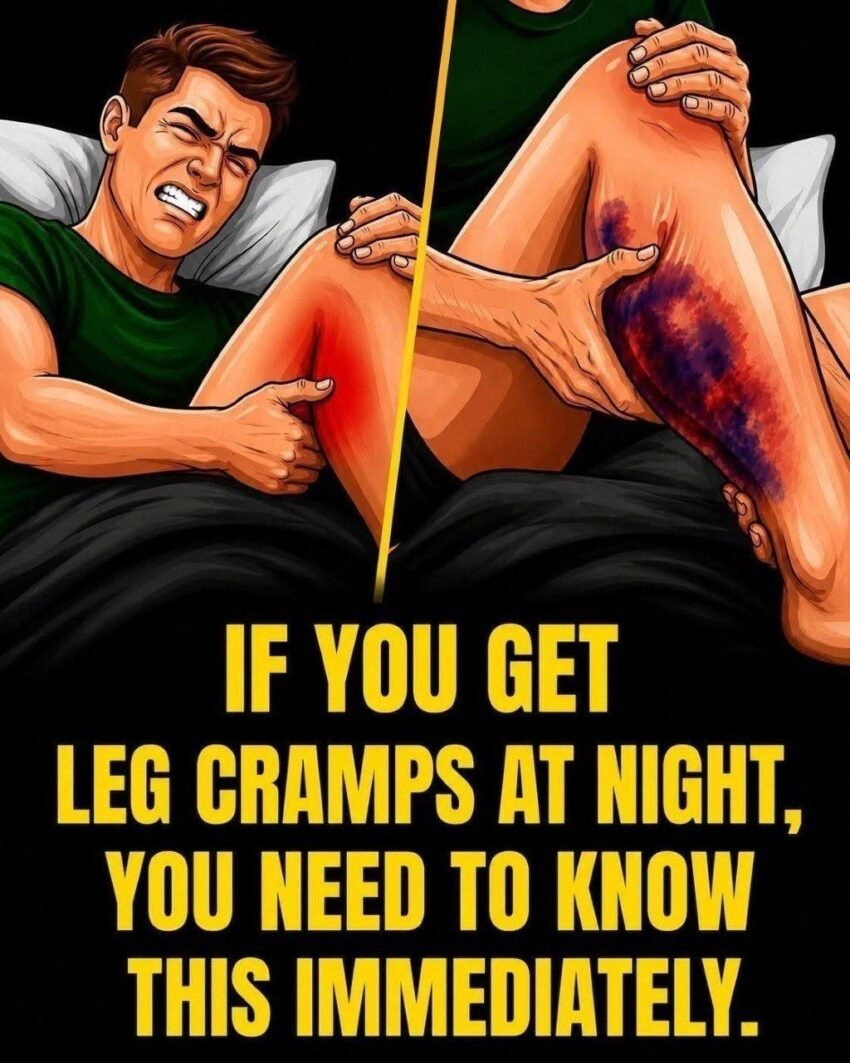
You are deep in stage-four sleep, drifting through a peaceful dream, when a sudden, blinding agony seizes your lower body. Your calf muscle knots into a rigid, excruciating rock. You bolt upright in the dark, gasping, frantically massaging your leg, desperately trying to stretch a limb that feels like it’s caught in a vise.
Nocturnal leg cramps—often colloquially called “charley horses”—are violently jarring. Most people grimace, stretch the leg until the muscle finally releases, and fall back asleep, chalking it up to a weird fluke, an awkward sleeping position, or a hard workout from the day before.
If these agonizing middle-of-the-night muscle spasms happen only once in a blue moon, they are usually harmless. But when nighttime cramps become a frequent recurring visitor, brushing them off is a dangerous mistake. Beneath the surface, persistent nocturnal cramps can be your body’s flashing warning light, signaling everything from severe electrolyte imbalances and dehydration to underlying vascular blockages or systemic neurological strain.
Understanding what causes these midnight spasms and knowing when to look closer can protect your long-term mobility and cardiovascular health.
The Anatomy of a Midnight Spasm: Why Do Muscles Seize?
To understand why your legs betray you in the middle of the night, we have to look at how skeletal muscles function. Muscle contraction is an intricate electrochemical dance governed by your nervous system and fueled by electrolytes—specifically calcium, potassium, magnesium, and sodium.
During the day, your motor neurons send electrical signals telling your muscle fibers to contract and relax. When you go to sleep, your body shifts into a resting state. However, if your physiological environment is compromised, the motor neurons can misfire, causing an involuntary, sustained tetanus contraction where the muscle fibers lock together and refuse to release.
While traditional medical teaching often blamed simple dehydration or magnesium deficiency, modern vascular and neurological science shows that nocturnal leg cramps can originate from several distinct systemic root causes:
-
Nerve Compression and Peripheral Neuropathy: Micro-damage to peripheral nerves (frequently linked to early-stage metabolic issues or spinal stenosis) can send erratic electrical signals straight to your lower extremities, triggering sudden spasms.
-
Vascular Insufficiency: Reduced arterial blood flow to the lower legs means muscle tissues are starved of adequate oxygen and nutrients during periods of prolonged rest, setting the stage for ischemic cramping.
-
Systemic Metabolic Imbalances: Fluctuations in fluid volume, kidney function, or hormonal regulation can rapidly deplete the delicate electrolyte balance required for smooth muscle relaxation.
The Major Culprits: Common Triggers Behind Nocturnal Spasms
While isolated cramps can happen to anyone, chronic nighttime spasms usually tie back to specific lifestyle factors, environmental stressors, or hidden medical conditions.
1. Chronic Low-Grade Dehydration and Electrolyte Depletion
Muscles are roughly 75% water. When you fail to consume adequate fluids throughout the day—or if you lose heavy fluids due to caffeine intake, alcohol consumption, or intense exercise—your blood volume drops slightly, concentrating electrolytes and forcing your neuromuscular system out of balance.
2. Pharmaceutical Side Effects
A surprising number of routine prescription medications list nocturnal muscle cramps as a primary adverse side effect. Diuretics (water pills) prescribed for high blood pressure or heart conditions flush excess sodium and potassium out of your system. Similarly, statins (cholesterol-lowering drugs) can cause muscle fiber breakdown and cramping in a subset of patients.
3. Prolonged Sedentary Behavior or Poor Ergonomics
If your daily routine involves sitting at a desk for 10 hours straight with poor lower-body circulation, your calf muscles remain contracted and under-stimulated for extended periods. When you finally lie down to sleep, the sudden shift in posture and blood pooling can trigger an ischemic spasm.
Real-World Scenarios: Missing the Warning Signs
Consider the case of a 58-year-old accountant in Denver who began experiencing severe calf cramps two or three times a week, usually waking him up around 3:00 AM. Assuming it was just a sign of “getting older” or a lack of post-workout bananas, he ignored them, occasionally taking an over-the-counter pain reliever and walking it off.
It wasn’t until he noticed that his lower legs felt unusually cold to the touch and that the skin on his shins appeared shiny and hairless that he mentioned it to his primary care physician. Subsequent vascular testing revealed peripheral artery disease (PAD)—a dangerous narrowing of the peripheral arteries reducing blood flow to his limbs. His nocturnal cramps weren’t just random muscle knots; they were a critical early warning sign of systemic vascular compromise.
Step-by-Step Action Plan: How to Stop and Prevent Nighttime Cramps
You don’t have to suffer through endless sleepless nights of agonizing muscle locks. Implementing a proactive, multi-step management strategy can dramatically reduce the frequency and severity of your cramps.
1. Master the Immediate Release Technique
When a cramp strikes in the middle of the night, resist the urge to curl your foot inward (which shortens the calf muscle and worsens the spasm). Instead:
-
Immediately straighten your leg and flex your foot upward, pulling your toes back toward your shins (dorsiflexion).
-
Gently massage the knotted muscle in circular motions to encourage blood flow and relax the fibers.
-
If the pain persists, stand up carefully and walk around slowly for a minute to force the muscle to lengthen and reset its neurological feedback loop.
2. Audit Your Hydration and Electrolyte Intake
Most Americans live in a state of mild, chronic dehydration. Make it a rule to consume water steadily throughout the day rather than chugging a massive glass right before bed (which only disrupts your sleep with midnight bathroom trips). Ensure your diet includes natural sources of magnesium (spinach, almonds, pumpkin seeds), potassium (bananas, sweet potatoes, avocados), and calcium.
3. Adjust Your Sleeping Posture and Bedding
If you sleep strictly on your stomach with your feet pointed downward, your calf muscles remain in a shortened, contracted position for hours, making them hyper-susceptible to spasms. Try sleeping on your back or side with a pillow beneath your knees or propping your feet so your toes point upward loosely.
4. Schedule a Medication Review with Your Doctor
If your cramps started shortly after beginning a new prescription drug (such as a statin, diuretic, or blood pressure medication), schedule a chat with your physician. Never stop taking a prescribed drug on your own, but ask your doctor if an alternative dosage or formulation could resolve the side effect.
Comparing Common Causes of Leg Spasms
| Cause Category | Primary Symptoms | Common Associated Factors | What Helps |
| Dehydration / Electrolyte Loss | Sharp, sudden calf or foot cramps | Intense sweating, heat, low water intake | Hydration, balanced minerals, magnesium |
| Vascular Insufficiency | Cramping accompanied by cold feet, slow-healing sores | Age over 50, smoking history, high cholesterol | Vascular screening, walking programs, quitting nicotine |
| Medication-Induced | Onset of cramps closely tracking a new prescription | Diuretic use, statin therapy, blood pressure drugs | Physician medication review and dosage adjustment |
| Neurological / Nerve Strain | Spasms paired with tingling, numbness, or burning | Spinal issues, sedentary habits, diabetes | Physical therapy, nerve conduction studies |
Pros and Cons of Proactive Leg Health Management
-
Pros of Addressing Cramps Early:
-
Restores uninterrupted, restorative sleep cycles and morning energy.
-
Catches hidden cardiovascular or metabolic issues before they escalate.
-
Improves overall lower-body flexibility, circulation, and physical performance.
-
-
Cons and Challenges:
-
Determining the exact root cause can require trial-and-error dietary and lifestyle adjustments.
-
Investigating chronic vascular or neurological symptoms requires medical appointments and diagnostic testing.
-
Common Mistakes to Avoid (And How to Fix Them)
-
Mistake 1: Pointing Your Toes When a Cramp Hits
-
The Danger: Pointing your toes extends the calf muscle, causing it to lock down tighter and prolonging the agonizing spasm.
-
The Fix: Always pull your toes upward toward your face (dorsiflexion) to physically stretch and release the contracting muscle fibers.
-
-
Mistake 2: Assuming All Muscle Spasms Are Just “Bad Magnesium”
-
The Danger: Buying expensive, unverified over-the-counter mineral supplements online without knowing if your bloodwork actually indicates a deficiency.
-
The Fix: Get a comprehensive metabolic blood panel done by your doctor to identify exact electrolyte baselines before supplementing.
-
-
Mistake 3: Ignoring Accompanying Vascular Red Flags
-
The Danger: Dismissing skin discoloration, cold skin temperature, or slow-healing wounds in the legs while treating only the muscle cramps.
-
The Fix: Treat your legs as an integrated vascular system. Report any unusual skin or temperature changes to a healthcare provider immediately.
-
Expert-Level Insights: The 2026 Circulatory Standard
Modern sports medicine and vascular research in 2026 emphasize that nocturnal cramping is rarely a single-factor issue. Advanced Doppler ultrasound technology now allows physicians to quickly and non-invasively map micro-vascular blood flow in the lower calves, separating simple neuromuscular fatigue from underlying peripheral artery disease. Clinicians increasingly view frequent night cramps as an important cardiovascular marker that warrants a comprehensive metabolic and circulatory evaluation, particularly in adults over 45.
Frequently Asked Questions
Are nighttime leg cramps a sign of poor circulation?
They can be. While many cramps are benign and tied to muscle fatigue or hydration, persistent cramping accompanied by cold feet, skin changes, or pain while walking can indicate poor arterial blood flow (peripheral artery disease).
Do bananas actually cure leg cramps?
Bananas are rich in potassium, which helps support muscle function. However, if your cramps are driven by dehydration, magnesium deficiency, or vascular issues, eating a banana alone will not magically make them stop. A balanced diet and comprehensive hydration strategy are required.
Why do pregnant women experience severe leg cramps at night?
Pregnancy places massive physiological demands on the body, including increased fluid volume, shifting mineral demands (calcium and magnesium usage by the fetus), and increased pressure from the uterus on major blood vessels returning blood from the legs.
Is it safe to take quinine for nighttime leg cramps?
No. While quinine was once a popular prescription treatment for leg cramps, the FDA strongly warns against its use due to severe, potentially fatal side effects, including irregular heart rhythms, thrombocytopenia (dangerous drop in blood platelets), and severe hypersensitivity reactions.
What is the difference between a restless leg and a leg cramp?
A restless leg syndrome (RLS) is an irresistible neurological urge to move your legs, usually accompanied by creepy, crawly, or uncomfortable sensations rather than severe muscular pain. A leg cramp is a sharp, acute, involuntary muscular contraction that locks the limb in place.
Can wearing compression socks during the day help night cramps?
For many individuals, wearing mild graduated compression socks during the day supports venous blood return and prevents fluid pooling in the lower legs, which can significantly reduce the incidence of nighttime spasms.
When should I see a doctor about my leg cramps?
Consult a healthcare provider if your cramps occur almost every night, cause severe lingering muscle soreness the next day, wake you up repeatedly, or are accompanied by swelling, redness, skin discoloration, or numbness.
Can regular stretching before bed stop cramps?
Yes. Performing light, dynamic calf and hamstring stretches for 5 to 10 minutes right before getting into bed helps lengthen the muscle fibers and reduces resting tension, making them much less likely to lock up overnight.
Action Checklist
-
Do: Drink fluids steadily throughout the day to maintain optimal cellular hydration.
-
Do: Perform gentle calf stretches right before going to bed.
-
Do: Pull your toes upward toward your shins immediately if a cramp strikes at night.
-
Do: Schedule a check-up with your doctor if nighttime cramps become a frequent, painful routine.
-
Avoid: Pointing your toes downward during a muscle spasm.
-
Avoid: Relying on unverified mineral supplements without checking your actual bloodwork baselines.
-
Avoid: Ignoring red-flag signs like cold skin, numbness, or skin discoloration in your legs.
Waking up to a violent, knotted leg cramp is a miserable experience that deserves more than a quick groan and a roll back over. While occasional midnight spasms are a normal part of life, frequent cramps are your body’s way of asking for attention. By prioritizing proper hydration, stretching, and consulting medical professionals when symptoms persist, you can banish the midnight agony and protect your long-term mobility.
Did you find this health guide insightful? Drop a comment below, share this article with anyone who complains about midnight charley horses, and explore our site for more expert-backed wellness insights.