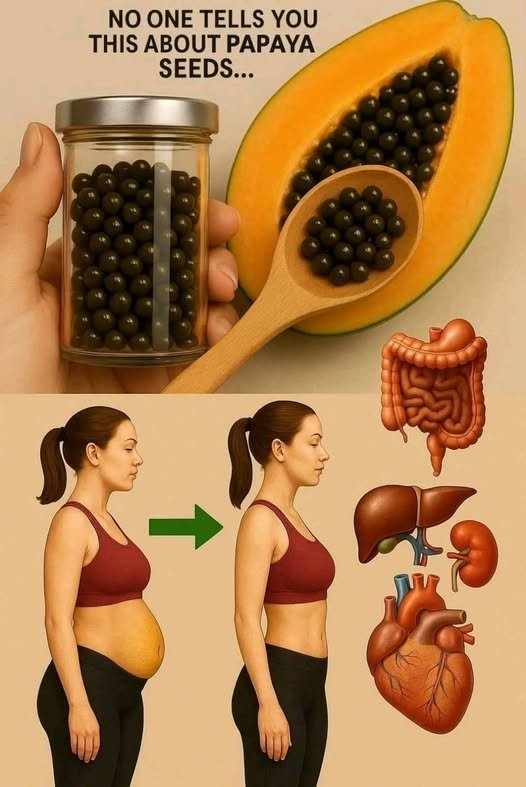
Stop Throwing Away Papaya Seeds: 14 Powerful Benefits You’ve Been Missing
Discover why those little black beads inside your papaya are actually a nutritional powerhouse. From digestion to skin health, here are 14 science-backed benefits that will change how you eat fruit forever.
The Kitchen Habit Most of Us Need to Break
Picture this: You slice open a ripe, sunset-orange papaya. The sweet, tropical aroma fills the kitchen. You grab a large spoon, scoop out the slippery cluster of shiny black seeds nestled in the center, and slide them straight into the garbage disposal.
It is second nature. For generations, we’ve treated papaya flesh as the prize and the seeds as the waste product—reminiscent of hauling out a melon’s fibrous core or discarding apple pips. But what if that instinct is entirely wrong?
In many cultures across South Asia, Central America, and parts of Africa, those peppery, pungent seeds aren’t trash at all. They are harvested, dried, ground up, or eaten straight from the fruit as a potent folk remedy. And as modern nutritional science catches up with traditional wisdom, researchers are finding that tossing those seeds is equivalent to throwing away the most medicinal part of the plant.
Before writing them off as bitter or inedible, let’s look at what actually happens when you give papaya seeds a second chance.
Demystifying the Papaya Seed: What Are They Really?
Papaya (Carica papaya) seeds are small, round, gelatinous-coated seeds with a sharp, slightly spicy kick that tastes remarkably like a cross between black peppercorns and mustard seed. That peppery bite comes from a dense concentration of bioactive compounds, including polyphenols, flavonoids, and a unique proteolytic enzyme called papain.
While the sweet flesh provides plenty of vitamin C and carotenoids, the seeds pack a distinct chemical profile. They contain high levels of healthy monounsaturated fatty acids (like oleic acid), alkaloids, and carpaine—a compound known for its specific interaction with intestinal parasites and heart function.
Ignoring them means missing out on a concentrated dose of nature’s pharmacy. Let’s break down the 14 most compelling reasons to keep them on your plate.
14 Powerful Benefits of Papaya Seeds
1. Superior Digestive Support
The high concentration of proteolytic enzymes in papaya seeds—most notably papain—helps break down tough protein fibers in food. If you often feel sluggish or bloated after a heavy meal containing meat or dairy, consuming a few seeds can assist your digestive tract in breaking down proteins more efficiently, easing the burden on your stomach.
2. Natural Antimicrobial and Anti-Parasitic Action
Papaya seeds contain powerful anthelmintic compounds, such as carpaine and benzyl isothiocyanate. Studies have shown that these compounds can inhibit the growth of harmful microorganisms and intestinal parasites. In traditional medicine, dried and crushed papaya seeds have long been used to help cleanse the gastrointestinal tract of unwanted bacterial overgrowth.
3. Liver Protection and Detoxification
Your liver acts as your body’s primary filtration system, and it takes a beating from everyday environmental toxins, processed foods, and alcohol. Papaya seeds are rich in vital antioxidants that help reduce oxidative stress on hepatic cells. Clinical observations suggest that extracts from these seeds can support natural liver detoxification pathways and protect against toxin-induced liver damage.
4. Powerful Anti-Inflammatory Effects
Chronic inflammation is the root driver of many modern lifestyle diseases, from joint pain to cardiovascular issues. Papaya seeds are packed with active enzymes and flavonoids like quercetin and kaempferol. These compounds help regulate inflammatory pathways in the body, offering natural relief for inflammatory conditions like arthritis and gout.
5. Kidney Health and Disease Prevention
Kidneys are responsible for filtering waste and balancing fluids, but they are vulnerable to oxidative damage and mineral buildup. The potent antioxidant properties found in papaya seeds protect renal cells from free-radical damage. Regular, moderate consumption supports overall kidney filtration and assists in preventing oxidative stress-related renal decline.
6. Cholesterol Management
Heart health is a major priority for millions of adults navigating modern dietary pitfalls. Papaya seeds are rich in oleic acid and other monounsaturated fats that help maintain healthy lipid profiles. By assisting in the reduction of low-density lipoprotein (LDL or “bad” cholesterol) levels, these seeds contribute to long-term cardiovascular resilience.
7. Blood Pressure Regulation
Hypertension is often called the silent killer. The carpaine compound present in papaya seeds has unique properties that gently influence the cardiovascular system, helping to regulate heart rate and relax blood vessels. While not a replacement for medication, incorporating them into a balanced diet supports healthy blood pressure ranges.
8. Anti-Cancer Potential
While research is still unfolding in laboratory settings, early scientific studies on papaya seed extracts show promising anti-tumor and anti-proliferative effects. The isothiocyanates found within the seeds have been observed in vitro to induce apoptosis (programmed cell death) in certain cancer cell lines, particularly colon, breast, lung, and prostate cancers.
9. Immune System Fortification
A robust immune system relies on a steady supply of micronutrients and antioxidants. Papaya seeds deliver a concentrated burst of vitamin C, vitamin A, and zinc precursors that stimulate white blood cell production. Eating them regularly helps your body mount a faster, more effective defense against seasonal bugs.
10. Enhanced Skin Health and Anti-Aging
Healthy skin starts from the inside out. The potent antioxidant profile of papaya seeds helps neutralize free radicals that break down collagen and elastin—the structural proteins responsible for firm, youthful skin. Additionally, the antibacterial properties of the seeds can help address stubborn skin blemishes when used in topical formulations or paired with internal cleansing.
11. Weight Management Support
Struggling with stubborn cravings or a sluggish metabolism? The high fiber content in papaya seeds promotes satiety, keeping you fuller for longer and preventing mindless snacking. Furthermore, by optimizing digestive efficiency and nutrient absorption, your body utilizes fuel more effectively rather than storing excess fat.
12. Relief from Menstrual Cramps
For women dealing with painful menstrual cycles, natural remedies are always in demand. The powerful anti-inflammatory and muscle-relaxing compounds in papaya seeds can help soothe uterine contractions and alleviate the severity of menstrual cramps when consumed in the days leading up to the cycle.
13. Gut Microbiome Balance
A healthy gut dictates everything from mood to immunity. The antibacterial and antifungal properties of papaya seeds selectively target opportunistic pathogens in the gut while leaving beneficial probiotics unharmed, helping to restore a thriving, balanced microbiome ecosystem.
14. Natural Anti-Aging Cellular Protection
Cellular aging is driven largely by oxidative stress and mitochondrial decay. The polyphenols and flavonoids concentrated in papaya seeds protect cellular DNA from oxidative damage, supporting cellular longevity and healthy aging at a microscopic level.
How to Eat Papaya Seeds: A Step-by-Step Practical Guide
Transitioning from throwing seeds away to eating them requires a shift in palate. Because they taste sharp and peppery, eating a whole cup of them raw is neither pleasant nor recommended. Here is how to incorporate them safely and deliciously:
-
Scoop and Rinse: Scoop the seeds out of a fresh ripe papaya and place them in a fine-mesh strainer. Rinse away the slippery, gelatinous pulp under cold water while rubbing them gently between your fingers.
-
Choose Your Method:
-
The Direct Approach: Eat 5 to 7 fresh seeds straight from the fruit. Chew them thoroughly to release their active enzymes. They taste like intense black pepper.
-
The Dehydrated Spice Method: Spread rinsed seeds on a baking sheet and dry them in a dehydrator or an oven set to its lowest temperature (under 140°F) until completely crisp. Grind them in a pepper mill and use them as a direct substitute for black pepper on salads, eggs, and soups.
-
The Smoothie Booster: Toss a teaspoon of fresh or dried seeds into your morning tropical smoothie. The sweetness of mango, banana, and pineapple completely masks the peppery bite.
-
-
Start Small: Because papaya seeds are pharmacologically potent, start with just half a teaspoon a day to let your digestive system adjust.
Real-World Scenario: Making the Switch
Take Sarah, a 38-year-old marketing manager from Chicago, who dealt with chronic afternoon bloating and sluggish digestion. After reading about enzyme-rich foods, she decided to stop wasting the contents of her weekly papayas.
Instead of throwing the seeds away, she rinsed them, dried half a batch in her oven, and kept a small pepper grinder filled with ground papaya seeds on her dining table. She started cracking a few turns of the seed blend over her avocado toast and evening grain bowls. Within two weeks, she noticed a distinct reduction in post-meal bloating and a sharper, more sustained energy level throughout her workday. It wasn’t a miracle cure—it was simply reclaiming a forgotten nutritional resource.
Comparison: Fresh Seeds vs. Dried Seeds vs. Papaya Leaf Extract
| Form | Taste Profile | Best Used For | Shelf Life |
| Fresh Seeds | Peppery, pungent, wet | Direct consumption, smoothies | 3–5 days (refrigerated) |
| Dried & Ground Seeds | Dry, spicy, like black pepper | Seasoning meals, marinades, salad dressings | 6–12 months (airtight jar) |
| Papaya Leaf Extract | Earthy, bitter | Targeted immune and blood platelet support | Varies by manufacturer |
Pros & Cons of Consuming Papaya Seeds
-
Pros:
-
Rich source of natural digestive enzymes (papain).
-
Excellent zero-waste habit that maximizes food value.
-
Versatile culinary uses as a pepper substitute.
-
Cost-effective alternative to certain synthetic digestive supplements.
-
-
Cons:
-
Strong, acquired peppery taste can be overwhelming for beginners.
-
Excessive consumption can cause mild stomach upset or irritation.
-
Not suitable for pregnant women due to potential uterine-stimulating compounds.
-
Common Mistakes to Avoid (And How to Fix Them)
-
Mistake 1: Eating too many at once. Eating a whole cup of raw papaya seeds can overwhelm your digestive tract and cause nausea.
-
The Fix: Stick to a maximum of 1 to 2 teaspoons per day. Think of them as a potent spice or supplement, not a snack food.
-
-
Mistake 2: Consuming them during pregnancy. Carpaine and other bioactive compounds in papaya seeds can stimulate uterine contractions.
-
The Fix: Pregnant or breastfeeding women should avoid consuming papaya seeds entirely and consult a healthcare provider before making major dietary shifts.
-
-
Mistake 3: Storing them improperly in humidity. Wet seeds left in a warm container will quickly mold and spoil.
-
The Fix: Always dry them thoroughly if you plan to store them long-term, or keep fresh seeds in a sealed container in the refrigerator for no more than a few days.
-
Expert Insights: The 2026 Shift in Functional Nutrition
As the functional nutrition movement continues to prioritize zero-waste eating and medicinal whole foods, discarded items like fruit pits, rinds, and seeds are moving under the microscope. Modern food scientists are discovering that plants evolved these defensive compounds precisely to protect themselves—and when consumed in mindful human doses, those exact defense mechanisms translate into powerful health shields. Incorporating papaya seeds isn’t just an eco-friendly trend; it is a return to a more complete, un-fractionated way of eating.
Frequently Asked Questions
Can you eat papaya seeds every day?
Yes, in moderation. Consuming 1 to 2 teaspoons daily is generally safe and beneficial for most healthy adults. However, taking breaks every few weeks is a smart practice for any potent natural remedy.
Do papaya seeds taste bitter or spicy?
They are not bitter like citrus pith; instead, they have a sharp, pungent heat that tastes remarkably like black peppercorns or radishes.
Are papaya seeds safe for children?
It is best to keep papaya seeds out of children’s diets. Their digestive systems are more sensitive, and the potent bioactive compounds are designed primarily for adult physiology.
Can papaya seeds help get rid of intestinal worms?
Historically and culturally, yes. The compound carpaine is known to possess anti-parasitic properties. While modern medicine offers pharmaceutical treatments for diagnosed parasites, traditional use supports their mild cleansing capabilities.
Do I need to chew the seeds if I swallow them whole?
If you swallow them whole without chewing, they will likely pass right through your digestive tract undigested. To access the enzymes and nutrients, you must either chew them thoroughly, crush them, or grind them into a powder.
Can dogs or cats eat papaya seeds?
No. While the flesh of a ripe papaya is safe for many pets in tiny amounts, the concentrated compounds and sharp nature of the seeds can cause significant gastrointestinal irritation in animals.
Can papaya seeds interfere with medications?
Because they can influence blood thinning, blood pressure, and digestion, anyone taking anticoagulants or blood pressure medications should consult their doctor before adding daily papaya seeds to their routine.
How do I dry papaya seeds at home?
Rinse the pulp off completely, pat the seeds dry with a towel, and spread them on a parchment-lined baking sheet. Bake at 140°F (or the lowest setting on your oven with the door slightly cracked) for 4 to 6 hours until completely brittle.
Action Checklist
-
What to Do:
-
Save the seeds from your next ripe papaya instead of throwing them away.
-
Rinse the gelatinous coating off under cold running water.
-
Start by eating 5 to 7 seeds or adding half a teaspoon to a fruit smoothie.
-
Dry and grind a batch to use as a black pepper substitute.
-
-
What to Avoid:
-
Do not eat large handfuls of raw seeds at once.
-
Avoid consuming them if you are pregnant, trying to conceive, or nursing.
-
Do not feed them to household pets or young children.
-
The next time you slice open a papaya, pause before scraping the center into the trash. Those little black spheres aren’t garbage—they are a concentrated capsule of enzymes, antioxidants, and digestive insurance. Rinse them, dry them, spice your meals with them, and let your body reap the benefits of what you used to throw away.
Papaya seeds are a potent, nutrient-dense superfood hiding in plain sight; a simple shift from tossing them to consuming them in moderation can unlock powerful digestive, immune, and anti-inflammatory benefits.