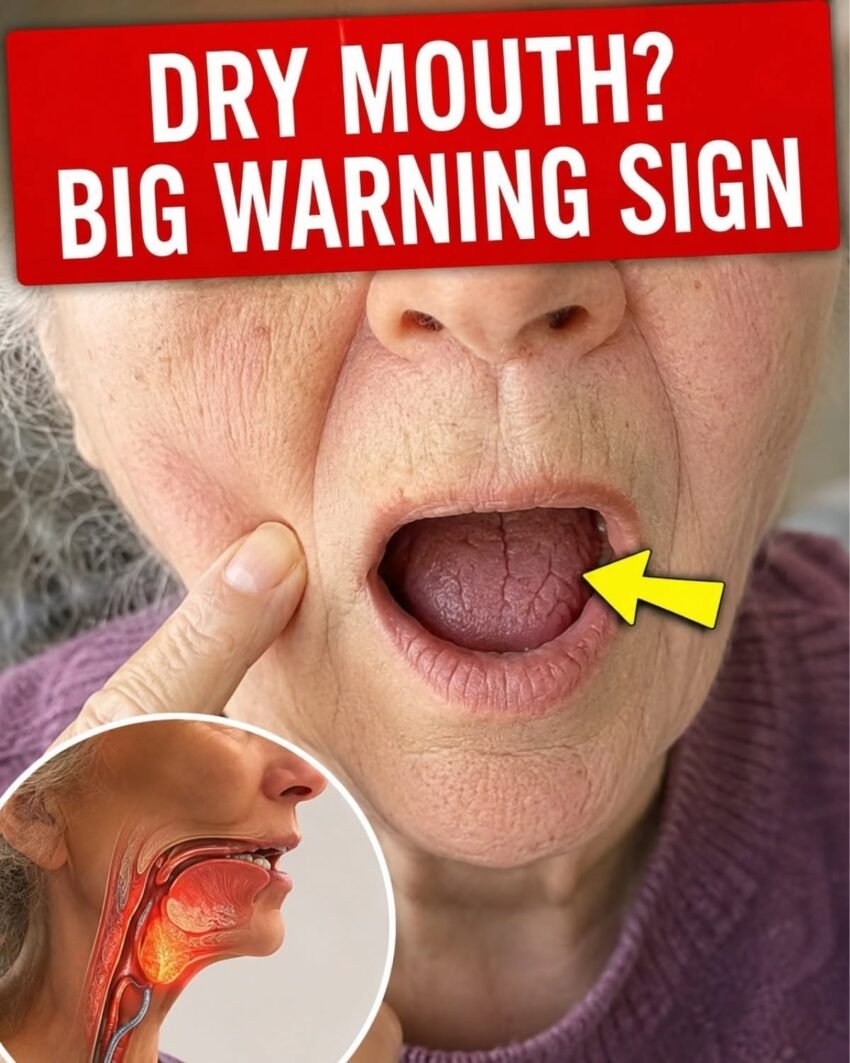
Dry Mouth Is Not Aging — It’s Your Saliva Shutting Down
Waking up with a tongue stuck to the roof of your mouth or constantly reaching for a water bottle throughout the day is often dismissed as an inevitable part of getting older. Medical literature and clinical observations consistently show that dry mouth, clinically known as xerostomia, is not a direct result of biological aging. Healthy older adults frequently maintain normal salivary gland function. When your mouth feels persistently parched, it is a sign that your salivary glands are shutting down due to external disruptors, medications, or underlying systemic conditions.
The Real Culprits Behind Salivary Shutdown
Saliva acts as the body’s natural defense system, lubricating oral tissues, neutralizing acids, washing away food particles, and preventing rampant bacterial growth. When production stalls, the root cause usually points to specific, identifiable triggers rather than the passage of time.
-
Medication Side Effects: Over 1,000 prescription and over-the-counter drugs feature xerogenic properties. Antihistamines, antidepressants, blood pressure medications, diuretics, muscle relaxants, and emerging weight-loss therapies like GLP-1 agonists routinely suppress salivary flow.
-
Polypharmacy Impact: As individuals manage multiple health conditions, taking several medications simultaneously creates a cumulative drying effect that severely impairs gland output.
-
Systemic and Autoimmune Conditions: Diseases such as Sjögren’s syndrome (where the immune system attacks moisture-producing glands), poorly controlled diabetes, thyroid dysfunction, and neurological disorders directly disrupt normal saliva production.
-
Lifestyle Factors: Chronic mouth breathing, heavy tobacco use, regular alcohol consumption, and low-grade dehydration diminish localized oral moisture.
Consequences of Ignored Dry Mouth
Passing off a dry mouth as a minor nuisance can lead to severe dental and systemic complications. Without the protective buffering of saliva, the oral ecosystem breaks down rapidly.
-
Accelerated tooth decay, particularly root cavities that are difficult to treat.
-
Persistent oral discomfort, burning sensations on the tongue, and cracked, fissured lips.
-
Difficulty chewing, swallowing, and speaking clearly.
-
Increased susceptibility to oral fungal infections like candidiasis (thrush).
Actionable Strategies to Restart and Protect Salivary Flow
Reviving oral moisture requires a combination of behavioral adjustments and targeted remedies designed to stimulate or mimic natural saliva.
-
Review Medications: Consult a physician or pharmacist to evaluate current drug regimens; adjusting dosages or switching alternative formulations can sometimes reverse dry mouth entirely.
-
Stimulate Mechanically: Chew sugar-free gum or use xylitol-based hard candies to physically trigger the salivary glands into action.
-
Prioritize Hydration and Humidification: Sip water consistently throughout the day and use a cool-mist bedside humidifier at night to prevent moisture evaporation caused by mouth breathing.
-
Upgrade Oral Hygiene: Utilize alcohol-free, moisturizing mouthwashes and toothpastes specifically formulated for dry mouth to protect vulnerable tooth enamel.
Treating persistent oral dryness as a natural consequence of aging overlooks treatable medical causes. Identifying why your salivary glands are slowing down protects your long-term dental health and restores daily comfort.