Revolutionizing Oncology: Inside England’s Rapid Cancer Immunotherapy Rollout
England’s NHS pioneers a faster, 1-minute cancer immunotherapy jab. Discover how subcutaneous treatments are transforming patient care and hospital capacity.
For decades, the standard ritual of cancer treatment has been defined by long, taxing hours tethered to an intravenous (IV) drip. Patients undergoing immunotherapy often spent hours in hospital chairs while clinicians meticulously prepared specialized infusions.
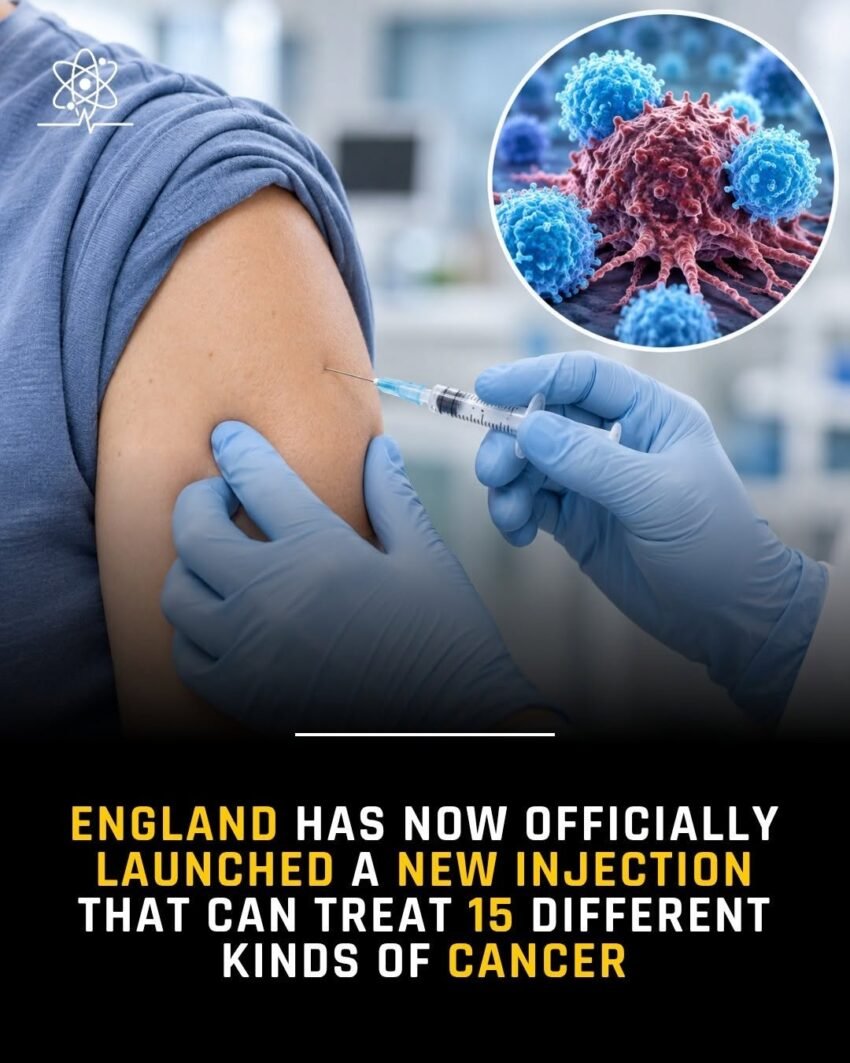
That landscape is undergoing a radical shift. England’s National Health Service (NHS) has rolled out landmark, ultra-fast subcutaneous immunotherapy injections—such as rapid formulations of pembrolizumab (Keytruda)—slashing administration times by up to 90%.
By turning hours-long hospital sessions into quick, 60-to-120-second procedures, this milestone is redefining what modern cancer care looks like for thousands of patients.
The Science Behind the Speed: How Subcutaneous Jabs Work
Traditionally, monoclonal antibody immunotherapies like pembrolizumab were delivered via intravenous infusions to block PD-1—a protein that acts as a brake on the immune system. By inhibiting PD-1, the drug unleashes the patient’s own immune cells to recognize and destroy cancer cells.
While the pharmacological mechanism remains identical, the delivery method has changed completely:
-
The Old Way (IV Infusion): Required pharmacy teams to prepare sterile bags in specialized clean rooms, with individual sessions taking anywhere from 30 minutes to over two hours.
-
The New Way (Subcutaneous Injection): Ready-to-administer under-the-skin formulations that take just one minute (administered every 3 weeks) or two minutes (administered every 6 weeks), depending on the cancer type.
This transition eliminates complex compounding requirements, allowing care teams to streamline clinical workflows while dramatically cutting down physical burdens for patients.
Why It Matters: A Win-Win for Patients and the NHS
The introduction of rapid immunotherapy impacts nearly 14,000 patients starting specific therapy regimens annually in England, spanning over a dozen cancer types including breast, lung, head and neck, and cervical cancers.
+-----------------------------------+-----------------------------------+
| Metric / Focus                    | Impact of Rapid Immunotherapy     |
+-----------------------------------+-----------------------------------+
| Administration Time               | Reduced from hours to 1–2 minutes |
| Annual NHS Hours Saved            | Over 100,000 hours of capacity    |
| Patient Experience                | Less fatigue, faster return home  |
| Hospital Workflow                 | Frees up infusion chairs & staff  |
+-----------------------------------+-----------------------------------+
1. Reclaiming Time and Reducing Fatigue
Cancer exhaustion is physical, emotional, and temporal. Spending half a day in a clinical treatment room week after week takes a heavy toll. By shrinking administration to a brief injection, patients can receive their dose and quickly return to their daily lives, hobbies, and families.
2. Expanding System Capacity
From an operational standpoint, the NHS estimates that shifting eligible patients to the rapid jab will save over 100,000 hours of preparation and chair time annually. This reclaimed capacity allows oncology nurses and clinical teams to see more patients, shorten waiting lists, and optimize resource allocation.
Implementation Strategies and the Broader Global Trend
England’s rollout builds on a growing global movement toward subcutaneous oncology treatments designed to maximize efficiency. Implementing these rapid pathways requires a coordinated systemic approach:
-
Staff Training: Equipping oncology nurses with streamlined subcutaneous protocols.
-
Patient Triaging: Identifying who is eligible for the jab versus those who require continued IV support due to concurrent multi-drug regimens.
-
Digital Tracking: Utilizing modern hospital analytics (like integrated prescribing measures) to monitor uptake and ensure equitable access across regional trusts.
Pros and Cons of Rapid Immunotherapy Jabs
| Pros | Cons / Limitations |
| Dramatically shorter clinic appointment times | Not suitable for every single drug combination regimen |
| Significantly lower physical fatigue for patients | Requires initial clinical transition and protocol updates |
| Frees up valuable chemotherapy chair capacity | Potential mild local skin reactions at the injection site |
| Simplifies pharmacy preparation bottlenecks | Does not alter the underlying systemic side effect profile of the drug |
Common Mistakes in Evaluating New Cancer Therapies
-
Mistake 1: Assuming the Drug Itself Has Changed
-
The Reality: The active pharmaceutical ingredient (such as the immunotherapy molecule) functions the exact same way. The breakthrough is purely in delivery technology, not a brand-new molecule.
-
-
Mistake 2: Believing It Replaces All Infusions
-
The Reality: While single-agent therapies transition smoothly, patients receiving complex combination treatments involving multiple chemotherapies may still require traditional IV lines.
-
Frequently Asked Questions
1. Is this rapid injection a cure for cancer?
No. It is an alternative, faster delivery method for existing life-extending immunotherapy drugs like pembrolizumab, designed to make administration quicker and more comfortable.
2. Which cancers are eligible for the 1-minute injection?
It applies to approximately 14 approved indications for specific drugs, covering around 14 different cancer types including specific forms of lung, breast, head and neck, and cervical cancers.
3. Does the injection hurt more than an IV?
Most patients report that a quick subcutaneous injection feels similar to a standard vaccine or shallow shot—far less invasive than having an intravenous line cannulated and monitored for hours.
4. How much time does it actually save the NHS?
Estimates indicate it will save the healthcare system upwards of 100,000 hours of combined preparation and chair time every year.
5. Are other countries adopting this technology?
Yes, regulatory approvals for subcutaneous checkpoint inhibitors are expanding globally as pharmaceutical companies and health agencies prioritize patient-centric care models.
Action Checklist
-
What to Do:
-
Speak with your oncology care team if you or a loved one are currently undergoing immunotherapy to see if you qualify for subcutaneous alternatives.
-
Stay informed on modern cancer care innovations through verified health portals like the NHS.
-
-
What to Avoid:
-
Do not alter or skip scheduled appointments based on assumptions about new delivery methods without direct medical guidance.
-
Conclusion
England stepping forward as a pioneer in rapid cancer immunotherapy marks a compassionate turning point in modern medicine. By marrying cutting-edge pharmaceutical engineering with smart public healthcare delivery, the focus returns to where it belongs: giving patients less time in clinical chairs and more time living their lives.
Rapid immunotherapy jabs prove that innovation in cancer care isn’t just about fighting the disease more effectively, but about preserving the quality of life while doing it.
What are your thoughts on how technology and streamlined care are reshaping modern medicine? Share your thoughts or experiences in the comments below!