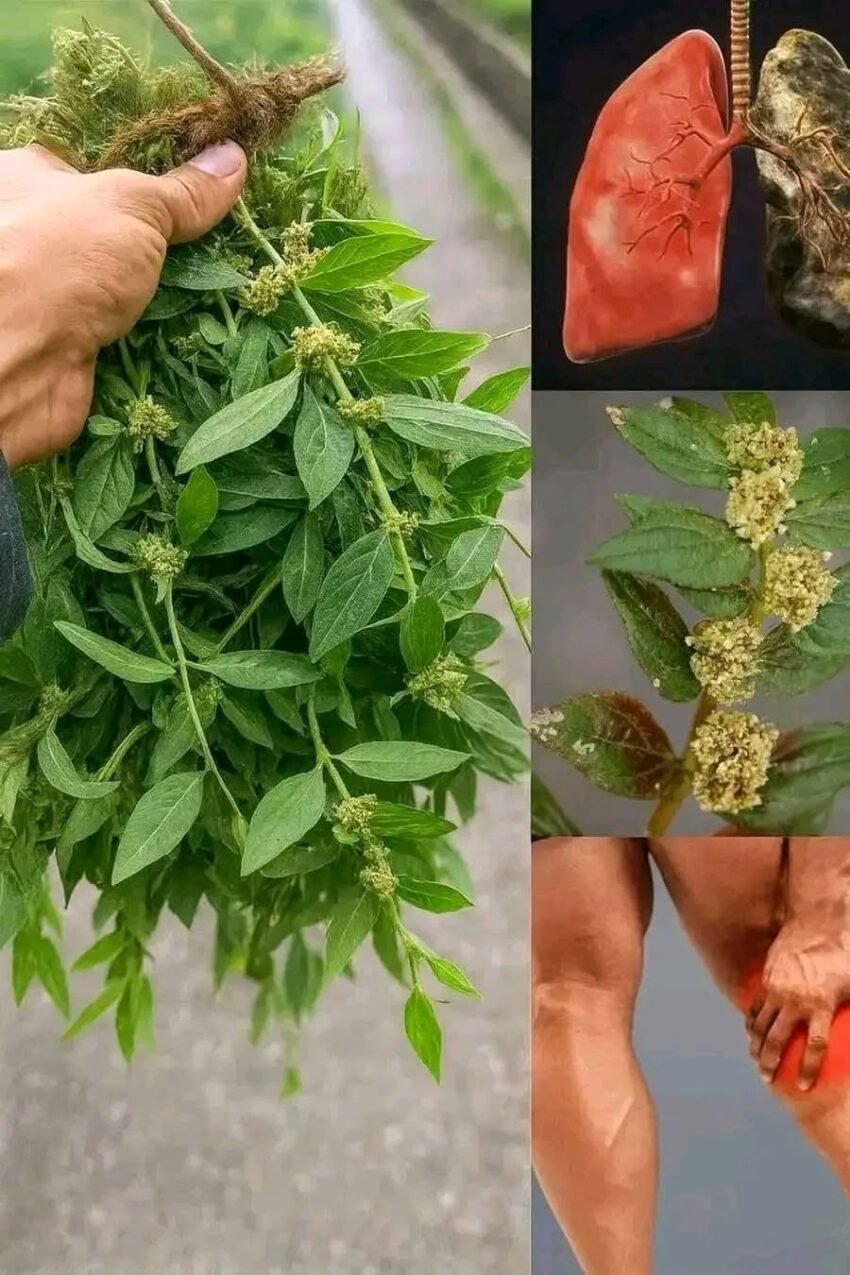
Euphorbia Hirta: The Astonishing Healing Power of a Humble Weed
Discover Euphorbia Hirta, a powerful weed with incredible traditional and modern healing properties. Learn how this humble plant supports health.
Walk down almost any gravel path, slip through a neglected garden gate, or peer between urban sidewalk cracks in tropical and subtropical regions worldwide, and you will likely pass right over Euphorbia hirta. Commonly known as asthma plant, snakeweed, or taawa-taawa in parts of Southeast Asia, this unassuming, hairy little plant is routinely dismissed as a nuisance weed.
Yet, for generations across traditional healing systems in Ayurveda, African folk medicine, and Latin American herbalism, this exact plant has held a revered status. Modern phytochemistry is finally catching up with ancient wisdom, revealing that beneath its rough, sap-filled stems lies a powerhouse of bioactive compounds capable of supporting everything from respiratory comfort to immune modulation.
Looking past conventional gardening frustrations reveals why this humble botanical deserves a second glance in modern wellness conversations.
Understanding Euphorbia Hirta and Its Active Compounds
Euphorbia hirta is an annual herb belonging to the spurge family (Euphorbiaceae). It gets its species name hirta from the Latin word for “hairy,” describing the bristly, trichome-covered stems and leaves that secrete a milky latex when broken.
What makes this plant medically fascinating is its complex phytochemical profile. Laboratory analyses published in pharmacological journals indicate that Euphorbia hirta contains high concentrations of:
-
Flavonoids (such as quercetin) which act as potent antioxidants.
-
Tannins and Polyphenols that help neutralize free radicals and reduce oxidative stress.
-
Terpenoids and Saponins known for their antimicrobial and anti-inflammatory mechanisms.
These compounds work synergistically, explaining why traditional preparations have historically targeted complex, multi-symptom ailments rather than single isolated issues.
Why Euphorbia Hirta Matters in Modern Wellness
In an era where synthetic pharmaceuticals dominate healthcare, there is a growing global shift toward functional botanicals that offer multi-targeted support. Chronic inflammation and respiratory sensitivities are at an all-time high, driven by urban pollution, stress, and modern dietary patterns.
Ignoring or eradicating wild medicinal plants without understanding their ecological and therapeutic value means missing out on accessible remedies. While Euphorbia hirta is not a magic cure-all, its traditional use as a natural bronchodilator offers profound insight into how nature frequently provides localized solutions for common regional ailments.
Disclaimer: Because Euphorbia species contain active latex compounds that can cause gastrointestinal upset or toxicity in high doses, proper identification and professional guidance are essential before exploring internal herbal use.
The Traditional and Modern Therapeutic Applications
Herbalists and researchers focus on several key areas where Euphorbia hirta demonstrates notable activity:
-
Respiratory and Bronchial Relief: The plant’s historical moniker, “asthma plant,” stems from its traditional use in relaxing bronchial spasms. Active constituents help soothe inflamed airways, making it a staple in cough and cold decoctions.
-
Gastrointestinal Support: In traditional settings, leaf infusions are used to manage mild dysentery, diarrhea, and intestinal parasites due to the astringent properties of its natural tannins.
-
Wound Healing and Skin Health: The fresh milky latex is traditionally dabbed onto minor cuts, boils, and insect bites to stave off bacterial infection and accelerate tissue closure.
Step-by-Step Actionable Guide to Wildcrafting and Identification
If you are studying botany or looking to identify Euphorbia hirta in the wild, precision and safety are paramount.
-
Accurate Botanical Identification: Look for small, opposite leaves with finely toothed margins, often featuring a dark reddish or purplish spot in the center. The stems are covered in yellowish-brown hairs, and breaking a stem reveals a milky white sap.
-
Ecological Sourcing: Only harvest from areas completely free of chemical herbicides, heavy vehicular exhaust, and industrial pollutants. Never forage near roadsides or public parks where chemical treatments are common.
-
Sustainable Harvesting: Practice ethical wildcrafting. Never pull up the entire root system of a small colony; instead, snip clean upper stems, leaving enough of the plant to regenerate.
-
Processing and Drying: Thoroughly wash harvested leaves to remove soil and insects. Spread them out in a well-ventilated, shaded area away from direct sunlight to preserve volatile active compounds.
-
Preparation Safety: Always consult an experienced clinical herbalist or ethnobotanist before turning wild-foraged herbs into teas, tinctures, or topical salves.
Strategic Comparison: Synthetic Remedies vs. Whole-Plant Phytotherapy
| Feature | Conventional Synthetic Solutions | Whole-Plant Euphorbia Hirta Extracts |
| Mechanism | Highly targeted single-molecule pathways | Complex multi-compound synergistic action |
| Accessibility | Available commercially in pharmacies | Found wild in nature; requires foraging knowledge |
| Side Effects | Often includes targeted side-effect profiles | Risk of gastrointestinal irritation if mismanaged |
| Cost | Typically expensive commercial pricing | Virtually free for those who can sustainably forage |
Pros and Cons of Utilizing Euphorbia Hirta
-
Pros:
-
Rich source of natural antioxidants, flavonoids, and antimicrobial agents.
-
Highly resilient, fast-growing weed found abundantly in warm climates.
-
Supports traditional self-sufficiency and natural wellness practices.
-
Offers historical precedent for respiratory and digestive comfort.
-
-
Cons:
-
Raw sap can cause skin irritation or eye inflammation upon direct contact.
-
Inaccurate identification can lead to accidental ingestion of toxic lookalike weeds.
-
Lack of standardized commercial dosage guidelines compared to pharmaceuticals.
-
Unsuitable for pregnant or nursing individuals due to uterine-stimulating compounds in raw latex.
-
Common Mistakes and How to Fix Them
-
Mistake: Assuming all “weeds” with milky sap are safe to consume or use topically.
-
Fix: Cross-reference multiple botanical keys and consult digital plant ID tools before handling any wild spurge.
-
-
Mistake: Consuming raw, unprocessed latex directly from the plant.
-
Fix: Raw latex is harsh on the digestive lining. Traditional preparations rely on diluted aqueous infusions (teas) or properly dried leaf material rather than raw sap.
-
-
Mistake: Foraging from chemically treated lawns.
-
Fix: Only harvest from private, organic lands where you can verify the absolute absence of pesticides and weed killers.
-
Expert Insights: The Future of Urban Weed Utilization
Ethnobotanists emphasize that the modern categorization of plants as “good” or “bad” (weeds) is largely cultural rather than biological. Many of the most resilient weed species—including Euphorbia hirta—are botanical survivors packed with dense secondary metabolites designed to protect them from environmental stressors. As scientific screening methods advance, researchers are increasingly looking at these neglected urban weeds as low-cost libraries of novel pharmaceutical precursors.
Frequently Asked Questions
-
What is Euphorbia hirta commonly used for?
Traditionally, it is used to alleviate symptoms of asthma, bronchitis, coughs, digestive discomfort, and minor skin irritations.
-
Is Euphorbia hirta safe for everyone?
No. Pregnant and breastfeeding women should avoid it entirely, as should individuals with sensitive digestive tracts, due to the potency of its active latex compounds.
-
Where does Euphorbia hirta grow naturally?
It thrives in tropical and subtropical regions worldwide, frequently appearing as a weed in waste areas, gardens, pathways, and lawns.
-
How do you identify Euphorbia hirta?
Key markers include hairy stems, small opposite leaves with serrated edges (often featuring a central dark blotch), and a milky white sap released when broken.
-
Can I ingest the milky sap directly?
Never ingest the raw sap directly. It can cause severe irritation to the mouth, throat, and stomach lining.
-
Does modern science support its traditional uses?
Yes, laboratory studies have confirmed that extracts possess significant anti-inflammatory, antimicrobial, and bronchodilating properties.
-
How is it prepared in traditional medicine?
It is most commonly prepared as a mild aqueous decoction or tea made from the dried aerial parts of the plant.
-
Is Euphorbia hirta an invasive species?
It spreads rapidly and adapts well to disturbed soils, earning it weed status in many agricultural regions, though it is native to tropical America.
Action Checklist for Exploring Botanical Remedies
-
What to do:
-
Verify plant identity using multiple botanical characteristics (hairs, sap, leaf patterns).
-
Source herbs exclusively from clean, pesticide-free environments.
-
Consult qualified herbalists or medical professionals before trying new botanical preparations.
-
Research contraindications thoroughly.
-
-
What to avoid:
-
Foraging from urban roadsides, dog parks, or chemically treated lawns.
-
Ingesting raw plant sap or unverified wild plant matter.
-
Using herbal remedies during pregnancy or while nursing without expert supervision.
-
What we dismiss as a stubborn weed in our walkways often conceals centuries of botanical wisdom and powerful chemical defenses, reminding us to look closer at the resilient green life growing quietly right beneath our feet.