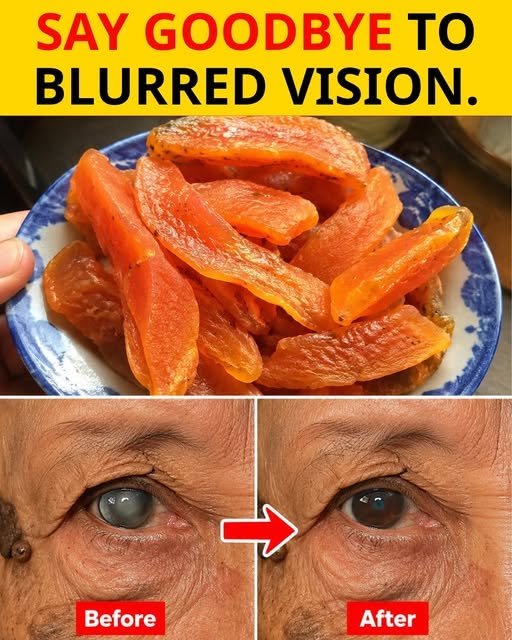
The Truth Behind “Miracle” Fruit Cures for Cloudy Vision
When headlines or viral social media posts claim that a specific fruit can “restore cloudy eyesight fast” and make your vision “razor-sharp” overnight, it taps into a deeply understandable desire. Poor vision, blurry focus, and age-related cloudiness feel like an encroaching loss of independence, making the idea of an easy, natural kitchen fix incredibly tempting.
However, medical reality rarely aligns with sensationalized internet claims. Understanding what whole foods can—and cannot—do for your eyes is essential for protecting your vision safely.
The Medical Reality of Cloudy Eyesight (Cataracts)
Cloudy vision is most frequently caused by cataracts—a gradual breakdown and clumping of proteins within the eye’s natural crystalline lens.
-
Why Fruit Can’t Reverse It: Once a cataract has formed and opacified the lens, no amount of fruit, vitamins, or topical drops can dissolve the structural protein clumping. The only definitive, medically proven way to clear a cloudy lens caused by a cataract is surgical replacement with an artificial intraocular lens.
-
The Danger of Delay: Waiting for a miraculous dietary cure while experiencing severe cloudiness can lead to advanced vision loss, making eventual surgery more complicated and increasing the risk of secondary complications like glaucoma.
How Fruits Actually Support Long-Term Eye Health
While a magic fruit cannot reverse established cloudy vision or replace surgery, incorporating antioxidant-rich fruits into your diet plays a vital role in preventing cellular damage and supporting overall retinal health over a lifetime.
-
Citrus Fruits (Oranges, Lemons, Grapefruit): Packed with high concentrations of vitamin C, citrus fruits protect ocular blood vessels and combat oxidative stress that contributes to lens degradation.
-
Berries (Blueberries, Blackberries, Strawberries): Rich in anthocyanins and polyphenols, berries help neutralize free radicals and support microcirculation in the tiny blood vessels of the retina.
-
Orange-Fleshed Fruits (Papaya, Mango, Cantaloupe): Excellent sources of beta-carotene, lutein, and zeaxanthin, these fruits act as natural internal filters against harmful high-energy blue light and UV radiation.
Comparison: Viral Claims vs. Clinical Reality
| Vision Metric | The Viral “Miracle Fruit” Claim | The Scientific Reality |
| Cataract Reversal | Claims to dissolve cloudy lenses and restore sharp focus overnight. | Medically impossible; advanced cataracts require surgical removal and lens replacement. |
| Speed of Results | Promises rapid, dramatic vision transformation in days. | Nutritional benefits are preventative, working cumulatively over years to protect cells. |
| Role of Diet | Marketed as a total replacement for medical intervention. | Serves as a supportive foundation for long-term cellular health, not a treatment for pathology. |
Common Risks of Falling for “Quick Fix” Remedies
-
Risk: Delaying essential medical evaluations and specialized treatments.
-
The Consequence:* Conditions like glaucoma, macular degeneration, and dense cataracts worsen progressively, occasionally resulting in permanent, irreversible vision loss if ignored.
-
-
Risk: Relying on unregulated commercial supplements marketed as “miracle fruit extracts.”
-
The Consequence: Many over-the-counter vision drops or pills make unsubstantiated medical claims without FDA regulation, sometimes containing harmful preservatives or irritants.
-
Frequently Asked Questions
Can eating carrots or fruit improve my night vision if it’s declining?
If your night vision issues stem from a vitamin A deficiency, increasing beta-carotene-rich foods can help. However, if declining night vision is caused by cataracts or retinal conditions, dietary adjustments alone will not resolve it.
When should I see an optometrist or ophthalmologist for cloudy vision?
You should schedule a comprehensive eye exam immediately if you notice persistent blurriness, double vision, halos around lights, faded color perception, or increasing difficulty seeing at night.
Are there foods that can slow down the progression of cataracts?
Yes. Diets rich in antioxidants, vitamins C and E, and carotenoids (found in leafy greens, colorful fruits, and vegetables) are associated with a slower rate of oxidative stress and cellular breakdown in the eye.
Is laser eye surgery the only option for clearing cloudy vision?
For cataracts, minor clouding in the early stages can sometimes be managed with updated eyeglass prescriptions or better lighting. Once the cloudiness significantly interferes with daily activities, micro-incision phacoemulsification (surgery) is the standard, highly successful gold standard.
Action Checklist
-
What to Do: Schedule annual comprehensive dilated eye exams, maintain an antioxidant-rich diet filled with colorful fruits and vegetables, wear UV-blocking sunglasses, and consult a qualified ophthalmologist for any structural vision changes.
-
What to Avoid: Relying on unverified online remedies for acute vision loss, delaying medical examinations for cataracts, and purchasing unregulated “miracle cure” drops.
While a nutrient-dense diet rich in vibrant fruits is a cornerstone of lifelong wellness and preventative eye care, treating established cloudy vision requires professional medical diagnosis and proven surgical solutions rather than internet shortcuts.