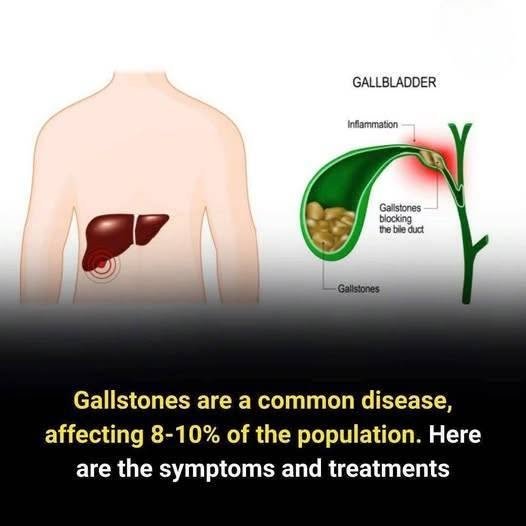
Gallstones Affect Up to 10% of People: Warning Signs You Should Never Ignore and Treatments That Can Help
Introduction
Many people have gallstones and do not even know it.
These small, hardened deposits can sit inside the gallbladder for years without causing noticeable problems. But when a gallstone blocks the flow of bile, it can trigger sudden and intense pain, inflammation, and potentially serious complications.
Gallstones are common, affecting a significant portion of adults worldwide. Some estimates suggest they occur in up to around 10% of people in certain populations, although rates vary depending on age, genetics, diet, and other risk factors.
The good news is that many gallstone problems can be treated successfully when recognised early.
Understanding the warning signs, risk factors, and available treatments can help you know when it is time to seek medical advice.
What Are Gallstones?
Gallstones are solid pieces of material that form inside the gallbladder.
The gallbladder is a small organ located beneath the liver. Its main job is to store and release bile, a digestive fluid that helps the body break down fats.
Gallstones usually form when substances in bile become imbalanced and harden into crystals.
The two main types are:
1. Cholesterol Gallstones
These are the most common type.
They form when there is too much cholesterol in the bile or when the gallbladder does not empty properly.
2. Pigment Gallstones
These are less common and are associated with conditions that affect red blood cells or bile chemistry.
Some people develop one or two stones, while others may have many.
Why Do Gallstones Develop?
Gallstones can develop for several reasons.
Common risk factors include:
Being overweight or having rapid weight loss
Quick weight loss can change the balance of bile and increase the risk of stone formation.
Age
The risk of gallstones generally increases as people get older.
Family history
Genetics can influence a person’s likelihood of developing gallstones.
Diet and lifestyle factors
Diets high in certain fats and low in fibre may contribute to risk.
Hormonal factors
Hormones, including oestrogen, can affect cholesterol levels in bile.
Certain medical conditions
Some blood disorders and metabolic conditions can increase risk.
Warning Sign 1: Sudden Pain in the Upper Right Abdomen
One of the most common symptoms of problematic gallstones is a sudden attack of pain.
The pain often occurs:
- In the upper right side of the abdomen
- Under the ribs
- After eating, especially fatty meals
This pain may be severe and can last from several minutes to a few hours.
Some people describe it as a deep, intense ache rather than a sharp pain.
Warning Sign 2: Pain That Spreads to the Back or Shoulder
Gallbladder pain does not always stay in one place.
It may spread to:
- The right shoulder
- Between the shoulder blades
- The upper back
This happens because of the way nerves communicate pain signals throughout the body.
Warning Sign 3: Nausea and Vomiting
Gallstone attacks can affect digestion and may cause:
- Nausea
- Vomiting
- Feeling unwell after meals
These symptoms may appear alongside abdominal pain.
Warning Sign 4: Indigestion and Bloating
Some people experience less obvious symptoms, including:
- Bloating
- Gas
- Feeling overly full
- Discomfort after eating
These symptoms are common and can have many causes, so they do not automatically mean gallstones.
Warning Sign 5: Fever or Chills
A fever with abdominal pain can be a warning sign of inflammation or infection.
This may indicate a more serious complication, such as inflammation of the gallbladder.
Medical attention should be sought if these symptoms occur.
Warning Sign 6: Yellow Skin or Eyes
A blockage caused by gallstones can sometimes affect the flow of bile.
This may lead to jaundice, which can cause:
- Yellowing of the skin
- Yellowing of the whites of the eyes
- Dark urine
- Pale stools
These symptoms require medical evaluation.
When Should You Seek Urgent Medical Help?
Seek medical advice promptly if you experience:
- Severe or persistent abdominal pain
- Fever with abdominal pain
- Yellowing of the skin or eyes
- Repeated vomiting
- Signs of infection
Gallstones can sometimes lead to complications if a blocked bile duct is not treated.
How Are Gallstones Diagnosed?
Doctors usually begin with a medical history and physical examination.
Common tests include:
Ultrasound
This is the most common imaging test for detecting gallstones.
It is painless and can usually identify stones in the gallbladder.
Blood Tests
These may check for signs of:
- Infection
- Inflammation
- Liver or bile duct problems
Additional Imaging
In some cases, doctors may use more advanced scans to examine the bile ducts.
Treatments for Gallstones
Treatment depends on whether gallstones are causing symptoms or complications.
1. Monitoring Without Treatment
If gallstones are discovered but do not cause symptoms, doctors may recommend monitoring.
Many people live with silent gallstones without needing immediate treatment.
2. Dietary and Lifestyle Changes
Lifestyle changes may help reduce discomfort and support overall digestive health.
Helpful habits may include:
- Eating a balanced diet
- Increasing fibre intake
- Maintaining a healthy weight
- Avoiding rapid weight loss
- Limiting foods that trigger symptoms
However, lifestyle changes usually cannot remove existing gallstones.
3. Medication to Dissolve Gallstones
In some cases, medicines may be used to dissolve certain cholesterol stones.
However:
- Treatment can take months or years
- It may not work for everyone
- Stones may return after treatment
This option is generally considered for selected patients.
4. Gallbladder Removal Surgery
The most common treatment for recurring painful gallstones is removal of the gallbladder, known as cholecystectomy.
The procedure is often performed using minimally invasive surgery.
People can live normally without a gallbladder because bile can flow directly from the liver into the intestine.
Foods That May Trigger Gallstone Symptoms
Some people notice symptoms after eating:
- Fried foods
- High-fat meals
- Large heavy meals
- Certain processed foods
Keeping a food diary can help identify personal triggers.
Common Mistakes People Make
Ignoring repeated pain
Recurring gallbladder attacks should not be dismissed.
Trying unproven “gallstone cleanses”
Many online remedies claim to flush out gallstones, but they are not proven medical treatments and may delay proper care.
Crash dieting
Rapid weight loss can increase gallstone risk.
Waiting too long after warning signs appear
Early medical advice can prevent complications.
A Real-Life Scenario
Imagine someone who experiences severe pain under the right ribs after dinner.
At first, they assume it is indigestion.
A few weeks later, the pain returns, lasts longer, and is accompanied by nausea.
Instead of ignoring it, they visit a doctor and receive an ultrasound showing gallstones.
Because the problem is identified early, they can discuss treatment options before a serious complication develops.
The lesson is simple: recurring symptoms deserve attention.
Frequently Asked Questions
1. Can gallstones go away on their own?
Small or symptom-free gallstones may remain without causing problems, but existing stones usually do not disappear naturally.
2. What does gallstone pain feel like?
It is often a strong, steady pain in the upper right abdomen that may spread to the back or shoulder.
3. Are gallstones dangerous?
They can be harmless when they cause no symptoms, but blocked ducts can lead to serious complications.
4. Can diet dissolve gallstones?
Diet can help manage risk and symptoms but usually does not dissolve existing stones.
5. Is gallbladder removal a major surgery?
Gallbladder removal is a common procedure, often performed with minimally invasive techniques.
6. Can you live normally without a gallbladder?
Yes. Most people return to normal activities after recovery.
7. Who is most likely to get gallstones?
Risk increases with age, genetics, obesity, rapid weight loss, and certain medical conditions.
8. Should I avoid all fat if I have gallstones?
Not necessarily. A balanced diet is usually recommended, but some people need to reduce foods that trigger symptoms.
Action Checklist
Do:
✔ Pay attention to repeated abdominal pain
✔ Seek medical advice for warning signs
✔ Maintain a healthy weight
✔ Eat a balanced, fibre-rich diet
✔ Follow treatment recommendations
Avoid:
✘ Ignoring severe or recurring pain
✘ Extreme weight-loss diets
✘ Relying on unproven cleanses
✘ Delaying medical care when symptoms worsen
Final Thoughts
Gallstones are common, and many people live with them without problems. But when they begin causing pain, inflammation, or blockages, ignoring the warning signs can lead to serious complications.
Knowing the symptoms—especially upper abdominal pain, nausea, fever, and jaundice—can help you seek care at the right time.
Gallstones may be small, but their effects can be significant. Pay attention to your body’s warning signals, seek proper medical advice, and do not ignore symptoms that keep returning.