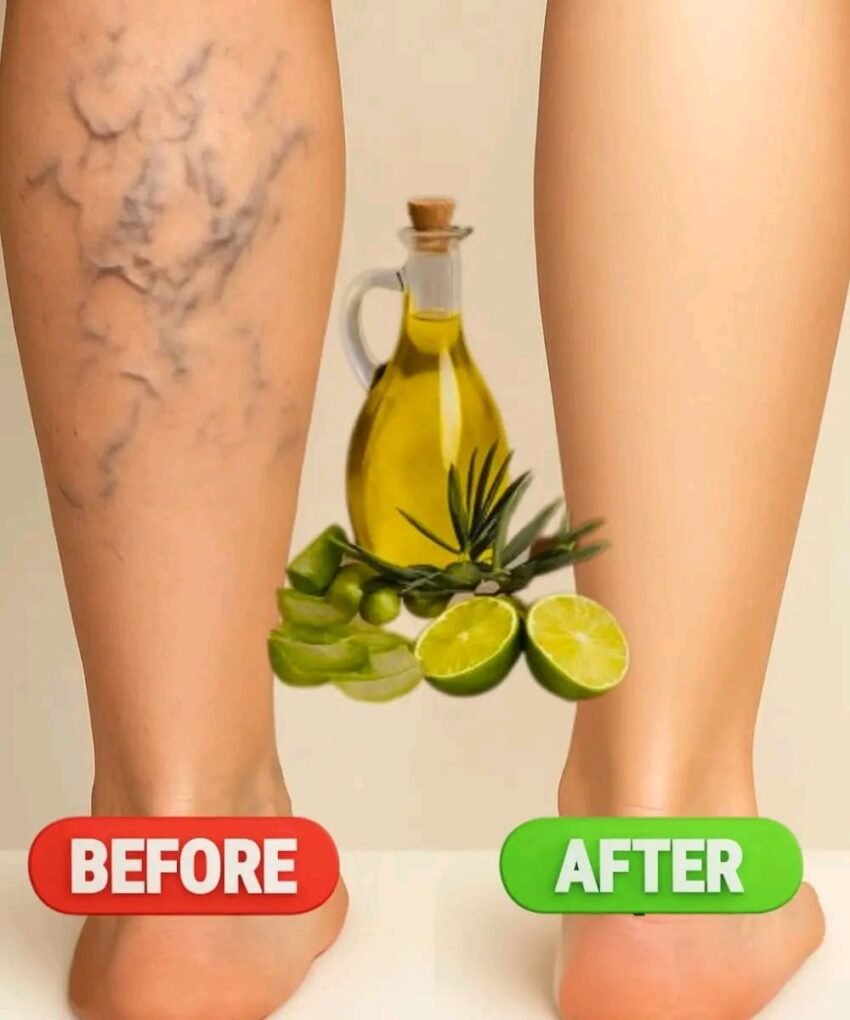
Grandma’s Natural Approach to Varicose Veins: Aloe Vera, Apple Cider Vinegar & Lemon Explained (What Works, What Doesn’t, and Safe Relief Tips)
Explore popular home remedies like aloe vera, apple cider vinegar, and lemon for varicose veins, plus what science says and safe ways to support vein health.
When Leg Veins Become More Than a Cosmetic Concern
It often starts subtly.
A faint blue line appears on the legs.
Then a few more become visible.
Later, they begin to look raised, twisted, or more noticeable after standing for long hours.
For many people, especially older adults, varicose veins aren’t just about appearance — they come with discomfort:
- heaviness in the legs
- mild pain or throbbing
- swelling after standing
- visible vein enlargement
Naturally, people start searching for relief — and that’s where traditional “grandma remedies” often enter the picture.
Among the most popular are:
- aloe vera
- apple cider vinegar
- lemon
But do they actually help? Let’s separate tradition from reality.
Understanding Varicose Veins First
Varicose veins occur when blood pools in the veins due to weakened or damaged valves.
Medically, this condition is known as Varicose Veins.
Normally, valves in the veins help blood flow upward toward the heart. When they weaken:
- blood flows backward
- pressure builds up
- veins enlarge and become visible
Common risk factors include:
- long standing or sitting
- aging
- pregnancy
- obesity
- family history
Can Natural Remedies Cure Varicose Veins?
This is where clarity matters.
👉 Natural remedies do NOT remove or repair damaged veins.
Once vein valves are weakened, they do not fully regenerate on their own.
However, some natural methods may:
- reduce discomfort
- improve circulation feel
- soothe skin irritation
- support overall leg comfort
So the goal is symptom relief, not “complete cure.”
1. Aloe Vera for Cooling and Comfort
Aloe vera is widely used for skin soothing.
How it’s used:
- gel is applied gently on affected areas
- left for 20–30 minutes
- then rinsed or left to absorb
What it may help with:
- cooling sensation
- temporary relief from heaviness
- skin hydration
What it does NOT do:
- does not repair damaged veins
- does not shrink varicose veins
Aloe vera works more on the surface level — soothing the skin rather than treating vein structure.
2. Apple Cider Vinegar for Circulation Support
Apple cider vinegar is one of the most commonly shared home remedies for varicose veins.
How it’s used:
- diluted and applied as a gentle massage
- sometimes taken orally in small amounts (with caution)
Claimed benefits:
- improved blood flow sensation
- reduced swelling perception
- mild anti-inflammatory effect
However, scientific evidence remains limited.
It may provide temporary relief due to massage stimulation rather than direct vein repair.
3. Lemon for Vitamin C and Skin Support
Lemon is often included in natural remedy discussions due to its vitamin content.
Possible benefits:
- supports collagen production
- antioxidant properties
- general circulation support when included in diet
Vitamin C plays a role in vascular health, but again:
- it does not reverse varicose veins
- it does not repair damaged valves
Think of lemon as nutritional support, not a treatment.
What Actually Helps Varicose Veins (Evidence-Based)
While home remedies may offer comfort, real improvement often comes from lifestyle and medical approaches.
1. Regular Movement
Walking helps:
- improve circulation
- reduce blood pooling
- strengthen leg muscles
2. Leg Elevation
Raising legs reduces pressure in veins and improves blood return.
3. Compression Stockings
These are widely recommended to:
- support vein function
- reduce swelling
- improve comfort during standing
4. Weight Management
Extra weight increases pressure on leg veins.
5. Medical Procedures (When Needed)
In advanced cases, doctors may recommend:
- laser treatment
- sclerotherapy
- vein ablation
Why “Grandma Remedies” Stay Popular
There’s a psychological reason these remedies never disappear:
- they are simple
- affordable
- emotionally comforting
- passed down through generations
They often provide a sense of control when medical terms feel overwhelming.
But comfort should not replace clarity.
Common Mistakes People Make
Believing natural remedies can “erase” veins
They cannot repair damaged valves.
Ignoring symptoms until pain worsens
Early care is more effective.
Relying only on topical treatments
Varicose veins are a circulatory issue, not just skin level.
Avoiding movement
Sedentary lifestyle worsens symptoms.
When You Should See a Doctor
Seek medical advice if you notice:
- persistent pain
- swelling in legs
- skin discoloration
- ulcers near veins
- sudden worsening of symptoms
These may indicate progression of Varicose Veins.
Frequently Asked Questions
Can aloe vera cure varicose veins?
No, it may soothe skin but cannot repair veins.
Does apple cider vinegar reduce varicose veins?
It may provide temporary comfort, but no strong scientific proof supports reversal.
Is lemon good for varicose veins?
It supports general vascular health through vitamin C but does not treat the condition.
What is the best natural relief?
Walking, leg elevation, and compression stockings are most effective.
Are varicose veins dangerous?
Usually not, but severe cases can lead to complications.
Can exercise help?
Yes, it improves circulation and reduces discomfort.
Do varicose veins go away naturally?
No, they usually require management or medical treatment.
Is surgery always needed?
No, only in advanced or painful cases.
Can diet improve varicose veins?
A healthy diet supports vascular health but does not reverse the condition.
When should I worry?
If pain, swelling, or skin changes occur.
Natural remedies like aloe vera, apple cider vinegar, and lemon are often comforting and widely used — but they should be understood correctly.
They may help with:
- temporary relief
- skin soothing
- mild circulation support
But they do not reverse the underlying vein damage behind varicose veins.
Real improvement comes from a combination of:
- movement
- compression
- healthy habits
- medical guidance when needed
Tradition can support comfort — but science guides treatment.
Aloe vera, apple cider vinegar, and lemon may soothe symptoms of varicose veins, but they do not cure or reverse the condition; effective management relies on circulation support and medical care when necessary.