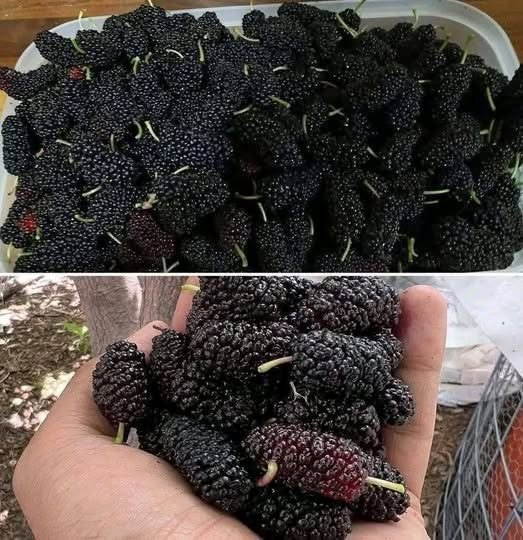
The Sweet Legacy of Shahtoot: Everything You Need to Know About Mulberries and Their Names Around the World
Uncover the rich botanical history, global naming traditions, and unique culinary allure of mulberries—nature’s delicate, stain-prone summer treasure.
Explore what mulberries are called across different languages, their history as the king of berries (shahtoot), and why they are so unique.
There are certain fruits in this world that refuse to play by commercial farming rules. You will rarely find them packaged neatly in crisp plastic containers at major supermarket chains, not because they lack flavor, but because they are fiercely delicate. Ripe mulberries bruise at the mere thought of rough handling, turning them into a fleeting, seasonal luxury best enjoyed straight from the branch or harvested by hand.
For anyone who grew up climbing trees in South Asia, the Mediterranean, or parts of the American Midwest, the mulberry tree holds a nostalgic, sticky-fingered place in memory. But depending on where you are standing on the globe, this fruit goes by entirely different names, wrapped in distinct cultural traditions. Let’s dive into the fascinating linguistic tapestry of the mulberry, its deep-rooted history, and why it deserves a spot in your culinary vocabulary.
What is a Mulberry and Why is it Called “Shahtoot”?
Botanically speaking, mulberries belong to the genus Morus, which is part of the Moraceae family. They grow on fast-growing deciduous trees that can survive in a wide range of climates.
In South Asia—particularly in Pakistan and northern India—the mulberry is famously known as shahtoot (شاه توت in Urdu). The linguistic breakdown of the word is fitting: shah translates to “king,” and toot translates to “berry.” Essentially, locals have long recognized it as the king of berries. These regional varieties—often featuring long, sweet, purple or white fruit—are prized during the early summer months for their honey-like sweetness and incredible juiciness.
Global Names for Mulberries Across Languages
Language shifts dramatically depending on geography, and the mulberry is a textbook example of how a single fruit acquires a rich portfolio of names:
-
English: Mulberry
-
Urdu / Hindi / Punjabi: Shahtoot (or simply toot for smaller varieties)
-
Spanish: Moras (though sometimes confused linguistically with blackberries, or zarzamoras)
-
French: Mûres (which can refer to both mulberries and blackberries, leading to culinary clarification like mûres sauvages or mûres d’arbre)
-
Turkish: Dut (a staple fruit in Turkish desserts and molasses production known as dut pekmezi)
-
Persian: Toot (reflecting ancient cultivation roots throughout the Persian empire)
The Hidden Role of Mulberries in History and Industry
Mulberries are not just delicious snacks; they played a monumental role in global trade and ancient economics.
-
The Silkworm Connection: The white mulberry (Morus alba) is the exclusive food source for the silkworm (Bombyx mori). The ancient global silk trade—stretching from China across the Silk Road—depended entirely on the cultivation of mulberry leaves to feed millions of silkworms spinning luxury cocoons.
-
Nutritional Powerhouses: Beyond their history, mulberries are packed with iron, vitamin C, potassium, and powerful antioxidants like resveratrol, which supports heart health and reduces oxidative stress.
Step-by-Step Guide to Harvesting and Enjoying Mulberries
If you are fortunate enough to have access to a mulberry tree in your neighborhood or backyard, handling them requires a delicate touch.
-
Step 1: The Sheet Test: Do not pull fruit individually off high branches. Instead, spread a clean bedsheet or tarp underneath the tree and gently shake the branches. The fully ripe, sweetest berries will rain down effortlessly.
-
Step 2: Inspect and Sort: Discard any unripe green berries (which can cause mild stomach upset) and keep only the plump, deep purple, white, or red ones.
-
Step 3: Wash Gently: Submerge them briefly in cold water. Avoid high-pressure faucet spray, as it will crush their delicate structure instantly.
-
Step 4: Eat Fresh or Dry: Enjoy them fresh within 24 to 48 hours, or sun-dry them like raisins to preserve their intense sweetness for the winter months.
Comparing Mulberry Varieties
| Variety | Color Profile | Flavor Characteristics | Primary Cultural Use |
| White Mulberry (Morus alba) | Pale white to light pink | Extremely sweet, mild, honey-like | Silkworm feed, dried snacking, jams |
| Red Mulberry (Morus rubra) | Deep dark red | Tart-sweet balance, robust fruit flavor | Fresh eating, pies, cobblers |
| Black Mulberry (Morus nigra) | Deep purple-black | Rich, complex, intensely juicy and tart | Traditional syrups, fresh markets, preserves |
Common Mistakes and How to Avoid Them
-
Mistake 1: Parking Your Car Under a Fruiting Mulberry Tree.
-
The Fix: If you own a mulberry tree, do not park your vehicle under its canopy during peak season. Dropping, overripe berries will instantly stain your car’s paint job and require immediate washing.
-
-
Mistake 2: Eating Unripe White or Red Mulberries.
-
The Fix: Always pick fruit that drops easily or yields softly to the touch. Unripe green fruit contains compounds that can cause mild gastrointestinal irritation.
-
-
Mistake 3: Trying to Store Fresh Mulberries for Weeks.
-
The Fix: Accept their fleeting nature. They do not have a long shelf life. Eat them immediately, freeze them for smoothies, or dry them out.
-
Expert Insights: Why You Won’t See Them in Supermarkets
Agricultural economists often note that mulberries are the ultimate “backyard fruit.” Because they do not have a protective tough skin like blueberries or cherries, they crush under their own weight when stacked in commercial shipping crates. This structural vulnerability keeps them off supermarket shelves, ensuring that enjoying fresh mulberries remains an intimate, local experience shared by neighbors, gardeners, and foragers.
Frequently Asked Questions
-
Can you grow a mulberry tree in a small backyard? Yes, but choose dwarf varieties or be prepared to prune them aggressively, as mulberry trees grow rapidly and can easily reach heights of 30 to 50 feet if left unchecked.
-
Do mulberries stain clothing permanently? Infamously so. The natural deep pigments in black and red mulberries act like fabric dye. If you stain your hands or clothes, wash them with cold water and lemon juice or vinegar as soon as possible.
-
Are mulberry leaves edible for humans? Yes, young mulberry leaves can be brewed into a soothing herbal tea (popular in traditional Asian medicine for blood sugar support) or cooked like greens, though they are primarily known for feeding silkworms.
-
Why do birds love mulberry trees so much? Birds flock to mulberry trees because the high sugar content provides quick energy during migration and nesting seasons. Expect plenty of feathered visitors once the fruit ripens!
-
Can dogs eat mulberries? Ripe mulberries are generally non-toxic to dogs in small amounts, but overeating them can cause mild stomach upset or diarrhea due to the high sugar and fiber content.
-
What does dried shahtoot taste like? Dried mulberries lose their water content and concentrate their natural sugars, tasting strikingly similar to butterscotch or caramel while retaining a slight crunch from their tiny, edible seeds.
-
Are black mulberries native to the US? No, black mulberries are native to southwestern Asia, whereas red mulberries are native to eastern North America, and white mulberries were imported from China.
-
Do mulberries fruit more than once a year? Most varieties produce a heavy crop once a year in late spring or early summer, though some tropical and subtropical cultivars can produce sporadic fruit multiple times a year.
Action Checklist
-
What to Do:
-
Hunt for local mulberry trees in public parks or community gardens during early summer.
-
Use a clean sheet to harvest fruit gently without damaging the branches.
-
Try sun-drying a batch of mulberries for a natural, caramel-like snack.
-
Pair fresh mulberries with Greek yogurt or oatmeal for a nutrient-dense breakfast.
-
-
What to Avoid:
-
Never park your vehicle under a fruiting tree unless you enjoy purple polka-dot paint jobs.
-
Do not wash fresh mulberries under high-pressure water spray.
-
Avoid eating unripe green fruit straight off the stem.
-
Do not expect to find fresh mulberries sitting on mass-market grocery shelves.
-
Whether you call them shahtoot, moras, or mulberries, these fragile summer drops connect us to centuries of agricultural history, natural dyeing traditions, and simple backyard nostalgia. Seeking them out is a reminder of the flavors that corporate supply chains leave behind.