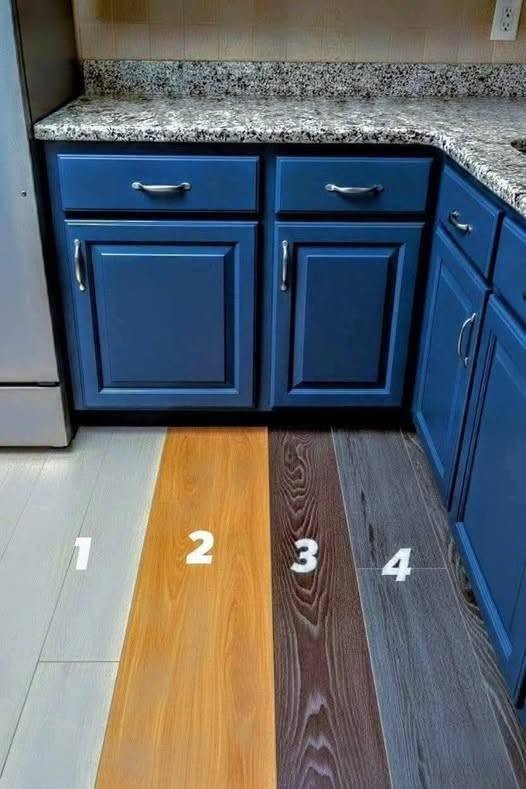
Help Me Choose a Kitchen Floor Color: Light Grey, Orange Brown, Chocolate Brown, or Dark Grey?
Choosing a kitchen floor color sounds simple—until you’re standing in a showroom surrounded by samples that all look good.
If you’re designing a modern or minimalist kitchen, the wrong floor color can make the room feel darker, smaller, or visually crowded. The right one can do the opposite: make the kitchen feel more spacious, brighter, cleaner, and more open.
So, which should you choose?
- Light Grey
- Orange Brown
- Chocolate Brown
- Dark Grey
If your biggest priority is making your kitchen look larger, there is a clear winner—but each option has advantages depending on the atmosphere you want.
Let’s compare them honestly.
The Short Answer: Light Grey Is the Best Choice for a Larger-Looking Kitchen
If you have a modern or minimalist kitchen and want to create the impression of more space, light grey flooring is the safest and strongest choice of these four.
Why?
Light colors generally reflect more light and create less visual weight. A soft, neutral grey can blend naturally with walls, cabinets, and countertops without making the floor feel like a heavy separate element.
This can make the entire kitchen feel more continuous.
My ranking for your goal
| Floor Color | Makes Space Feel Larger | Modern Look | Hides Dirt | Warmth | Overall |
|---|---|---|---|---|---|
| Light Grey | ⭐⭐⭐⭐⭐ | ⭐⭐⭐⭐⭐ | ⭐⭐⭐⭐ | ⭐⭐⭐ | 🏆 Best |
| Orange Brown | ⭐⭐⭐ | ⭐⭐⭐ | ⭐⭐⭐⭐ | ⭐⭐⭐⭐⭐ | Good |
| Chocolate Brown | ⭐⭐ | ⭐⭐⭐ | ⭐⭐⭐⭐⭐ | ⭐⭐⭐⭐⭐ | Good for large kitchens |
| Dark Grey | ⭐⭐ | ⭐⭐⭐⭐⭐ | ⭐⭐⭐⭐ | ⭐⭐ | Stylish but heavier |
But there’s more to the decision than simply choosing the lightest color.
1. Light Grey Kitchen Flooring
The Best Choice for Making a Kitchen Look Bigger
If your kitchen isn’t particularly large, light grey would be my first choice.
It gives you the benefits of a light floor without looking as stark as pure white.
A soft grey floor can create a clean, contemporary appearance while allowing cabinets and countertops to remain the visual focus.
Why light grey works so well
Light grey flooring can:
- Make the room feel brighter
- Visually open up the floor area
- Work well with white cabinets
- Complement modern cabinetry
- Pair easily with black, silver, or stainless-steel appliances
- Create a clean minimalist appearance
- Make the room feel less visually heavy
It’s particularly effective if your kitchen receives limited natural light.
Instead of absorbing much of the available light, a lighter floor helps maintain a brighter overall appearance.
What Does Light Grey Look Like With White Cabinets?
This is one of the strongest combinations for a modern kitchen.
Imagine:
White cabinets + light grey floor + white or light countertop + simple hardware
The result is clean, calm, and visually spacious.
However, don’t choose an extremely cold grey without considering the rest of your kitchen.
Some grey floors have strong blue or cool undertones. If your walls or countertops are warm-toned, that contrast can make the room feel disconnected.
A better choice
Look for a soft, neutral or slightly warm grey rather than an icy blue-grey.
That gives you the spacious feeling you’re looking for without making the kitchen feel cold.
2. Orange Brown Kitchen Flooring
Warm, Welcoming, and More Traditional
Orange-brown flooring creates a completely different mood.
Instead of emphasizing brightness and visual openness, it brings warmth and character into the kitchen.
Think natural wood, warm oak, honey tones, or terracotta-inspired colors.
This can look beautiful—but if your primary goal is making the kitchen look larger, it isn’t my first choice.
The advantages
Orange-brown flooring can:
- Make the kitchen feel warmer
- Create a welcoming atmosphere
- Add natural-looking character
- Work beautifully with cream or white cabinets
- Complement wood furniture
- Hide everyday dirt relatively well
It can also prevent an all-white or grey kitchen from feeling too sterile.
When Should You Choose Orange Brown?
Consider it if your modern kitchen has some warmer elements.
For example:
White cabinets + warm wood accents + cream countertop + orange-brown floor
This can create a modern kitchen that still feels comfortable and lived-in.
The problem is that strong orange or reddish tones can become a major visual feature.
If the kitchen is small, that can make the floor feel more noticeable and potentially reduce the open, seamless feeling you’re trying to achieve.
My verdict
Beautiful for warmth. Not the best option for maximizing visual space.
If you love warm interiors more than minimalist interiors, however, this option may move higher on your list.
3. Chocolate Brown Kitchen Flooring
Rich, Elegant, and Dramatic
Chocolate brown flooring has a luxurious quality.
It can make a kitchen feel grounded, sophisticated, and warm.
But there’s one major issue for your particular goal:
Dark flooring generally has more visual weight.
If you’re trying to make a small kitchen appear larger, chocolate brown is usually not where I’d start.
Why Chocolate Brown Can Make a Small Kitchen Feel Smaller
Imagine a small kitchen with:
- Dark brown floor
- Dark cabinets
- Limited natural light
- Dark countertops
There are multiple large dark surfaces competing for attention.
The result can feel enclosed.
That doesn’t mean chocolate brown is always a bad choice.
In a large kitchen with plenty of natural light, it can look fantastic.
For example:
White cabinets + chocolate brown floor + light countertop
creates an attractive contrast.
The white cabinets keep the upper portion of the kitchen bright while the dark floor anchors the room.
When Chocolate Brown Works Best
Choose it if you want:
- Warmth
- Contrast
- A luxurious appearance
- A more traditional feel
- A floor that visually grounds the room
But if the question is:
“Which color will make my kitchen look bigger?”
Chocolate brown would not be my recommendation.
4. Dark Grey Kitchen Flooring
The Most Dramatic Modern Option
If you’re looking for the most contemporary appearance, dark grey deserves serious consideration.
It can look excellent with modern white cabinetry, especially when combined with black fixtures and stainless-steel appliances.
A combination such as:
White cabinets + dark grey floor + white countertop + black hardware
can look incredibly sophisticated.
The problem?
Dark grey doesn’t necessarily make a small kitchen look larger.
The Advantage of Dark Grey
Dark grey has a major design advantage: contrast.
It creates a strong visual foundation for a bright kitchen.
This can be particularly attractive when you want a high-end, architectural look rather than a soft, airy atmosphere.
It can also hide certain everyday marks better than very pale flooring.
However, very dark flooring can absorb more visual attention and make the floor appear more dominant.
My verdict
Excellent for style. Less ideal for maximizing perceived space.
If your kitchen is already large and bright, I’d be much more comfortable recommending dark grey.
Light Grey vs. Dark Grey: Which Looks More Spacious?
This is probably the most important comparison if you’re choosing between the two greys.
Light Grey
Creates:
- Airiness
- Brightness
- Softness
- Visual continuity
- A minimalist atmosphere
Dark Grey
Creates:
- Contrast
- Drama
- Depth
- Sophistication
- A stronger visual foundation
For a small or medium-sized modern kitchen, I’d generally choose light grey.
For a large, bright kitchen, dark grey becomes much more attractive.
What About Orange Brown vs. Chocolate Brown?
These two are both warmer choices, but they create different effects.
Orange Brown
Feels:
Warm + natural + inviting
It’s usually lighter and more energetic.
Chocolate Brown
Feels:
Rich + dramatic + grounded
It’s darker and more substantial.
If your kitchen is small, orange brown is generally the safer choice of the two.
If your kitchen is large and you want a rich, cozy appearance, chocolate brown can be beautiful.
The Secret: It’s Not Just the Floor Color
Here’s something many homeowners overlook.
The shade of the floor isn’t the only thing that determines whether a kitchen looks spacious.
The size and direction of the flooring, grout lines, lighting, cabinets, walls, and visual transitions all matter.
Choose Larger Floor Tiles for a More Seamless Appearance
If you’re using tile, larger-format tiles can reduce the number of visible grout lines.
Fewer lines can create a cleaner visual field.
For example, instead of many small tiles creating a busy grid, a larger tile can make the floor feel calmer and more continuous.
That fits particularly well with minimalist kitchen design.
Keep the Grout Close to the Floor Color
This is a simple trick that can make a surprisingly noticeable difference.
If you have light grey flooring with very dark grout, every tile boundary becomes obvious.
The floor can look more segmented.
Instead, a grout color reasonably close to the tile can create a more continuous appearance.
You don’t necessarily need the grout to match perfectly.
The goal is simply to avoid creating unnecessary visual lines.
Don’t Forget the Direction of the Floor
If you’re using rectangular tiles or wood-look flooring, installation direction can influence how the room is perceived.
A professional designer or installer can help determine the best orientation based on the kitchen’s shape.
In some layouts, running flooring toward the longest dimension can reinforce the sense of length.
The important thing is to consider the entire room rather than choosing a floor sample in isolation.
How Lighting Changes Everything
A floor can look completely different in a showroom compared with your home.
Your kitchen may have:
- Large windows
- Small windows
- Warm LED lighting
- Cool LED lighting
- Under-cabinet lighting
- Pendant lights
- Very little natural light
A light grey that looks warm and soft in a showroom might appear noticeably cooler in your kitchen.
Before buying
Take a flooring sample home.
Look at it:
In the morning
In the afternoon
At night
With the kitchen lights on
With the kitchen lights off
This simple test can prevent an expensive design mistake.
A Real-World Example
Imagine a relatively small apartment kitchen.
The cabinets are white.
The walls are off-white.
The countertop is a light stone color.
The appliances are stainless steel.
The homeowner wants the kitchen to feel larger.
Option A: Chocolate Brown
The dark floor creates strong contrast.
It looks sophisticated but visually anchors the floor heavily.
Option B: Dark Grey
It creates an elegant contemporary appearance but remains visually substantial.
Option C: Orange Brown
It adds warmth and character but becomes more noticeable as a separate design element.
Option D: Light Grey
It quietly connects the floor with the lighter cabinets and walls.
The result is a brighter, calmer visual field.
For this particular kitchen, I’d choose light grey.
What If Your Kitchen Has Dark Cabinets?
This changes the equation slightly.
If your cabinets are dark navy, charcoal, black, or dark wood, a light grey floor can create useful contrast.
For example:
Dark cabinets + light grey floor + light countertop
can prevent the entire kitchen from becoming visually heavy.
By contrast:
Dark cabinets + chocolate brown floor
could make the room feel considerably darker.
If your kitchen already contains several dark surfaces, a lighter floor becomes even more appealing for your goal.
What If Your Kitchen Has White Cabinets?
This is where all four options can potentially work.
White + Light Grey
Clean and spacious.
White + Orange Brown
Warm and inviting.
White + Chocolate Brown
High contrast and luxurious.
White + Dark Grey
Modern and dramatic.
So if your cabinets are white, the decision comes down largely to the atmosphere you want.
But because your priority is making the kitchen look larger, light grey still wins.
The Best Light Grey Isn’t Necessarily the Lightest Grey
This is an important distinction.
You don’t need to choose the palest possible floor.
An extremely pale grey may show dirt, crumbs, and marks more easily.
Instead, consider a soft medium-light neutral grey.
You want enough lightness to create an airy feeling while retaining some practical usability.
If your kitchen receives lots of natural light, you can experiment with slightly deeper grey.
If it receives very little light, stay toward the lighter end.
A Simple Decision Guide
Still stuck?
Use this:
Choose Light Grey if you want:
- The kitchen to look larger
- A modern minimalist appearance
- A bright atmosphere
- Maximum flexibility
- Easy coordination with neutral colors
Winner for your priorities.
Choose Orange Brown if you want:
- Warmth
- Natural character
- A cozy kitchen
- Wood-like appearance
- A less clinical feeling
Best warm option.
Choose Chocolate Brown if you want:
- Luxury
- Rich contrast
- A grounded appearance
- A dramatic floor
Better for larger, brighter kitchens.
Choose Dark Grey if you want:
- A contemporary look
- Strong contrast
- A sophisticated appearance
- A dramatic minimalist style
Best dramatic modern option.
My Final Recommendation
Based on the two things you’ve told me:
Kitchen style: Modern/minimalist
Main priority: Make the kitchen look larger
I’d choose:
🥇 Light Grey
It’s the best balance of brightness, simplicity, flexibility, and modern style.
I’d choose a soft neutral light grey rather than an icy blue-grey.
If possible, pair it with relatively subtle grout and a floor design that doesn’t create excessive visual lines.
My final ranking:
1. Light Grey — ⭐⭐⭐⭐⭐
2. Orange Brown — ⭐⭐⭐
3. Dark Grey — ⭐⭐⭐
4. Chocolate Brown — ⭐⭐
That doesn’t mean the other colors are bad.
It simply means that light grey best matches your specific goal.
Before You Buy: Try This 5-Minute Test
Don’t make the final decision from a tiny picture on your phone.
Get physical samples of all four colors.
Place them next to your:
- Cabinets
- Countertop
- Wall color
- Appliances
Then look at them under your actual kitchen lighting.
Stand several feet away.
Ask yourself:
“Which floor visually disappears into the room rather than becoming a major feature?”
For a minimalist kitchen where the goal is to make the room feel larger, that’s often the direction you want to go.
And if two samples are close?
Choose the one that looks lighter, calmer, and less visually busy.
Final Thought
A kitchen floor isn’t just a surface you walk on.
It occupies a large percentage of the room’s visual area, so its color can dramatically influence how the entire space feels.
For a modern minimalist kitchen where making the room look larger is the priority, a soft light-grey floor gives you the strongest starting point.
Orange brown is the better choice if warmth is your priority.
Dark grey is excellent when drama and contemporary contrast matter more.
Chocolate brown is best when you want richness and a grounded, luxurious feel.
But if you asked me to choose one for your kitchen based only on what you’ve told me:
Go with the light grey.
It gives your minimalist kitchen the best chance of feeling bright, open, clean, and spacious without making the floor the star of the room.
Which would you choose—light grey, orange brown, chocolate brown, or dark grey? Share your choice and what color your cabinets are.