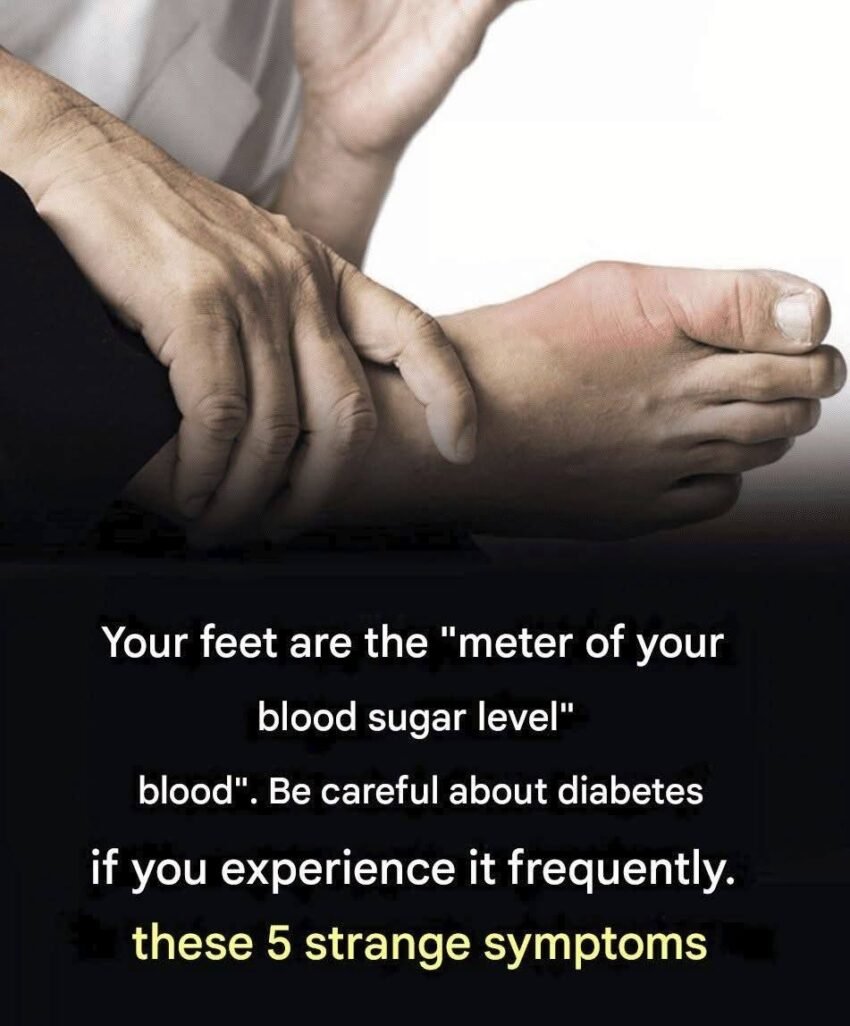
The Foot Whisperers: 5 Unusual Foot Symptoms That Reveal Hidden Health Issues
Most of us pay very little attention to our feet until a sharp cramp hits or a pair of shoes pinches our toes. Yet, human feet act as an incredible diagnostic window into the rest of the body. Because your feet sit at the absolute furthest point from your heart and contain a dense network of nerves, blood vessels, and tiny bones, they are often the first place to display subtle red flags for systemic health conditions.
Looking past standard foot fatigue and examining five unusual physical symptoms can uncover crucial messages your body is trying to send.
1. The Hairless Toe Syndrome
Have you ever looked down at your feet and noticed that the hair on your toes and top of your feet has completely vanished? While many people assume this is just normal aging or genetics, a sudden or marked loss of lower-extremity hair is often a classic hallmark of Peripheral Artery Disease (PAD).
When plaque builds up in your arteries, it restricts blood flow down your legs. Hair follicles require a rich, continuous supply of oxygenated blood to thrive; when circulation drops, the hair simply stops growing. If this hair loss is accompanied by cold skin or weak pulses in your feet, it warrants an immediate cardiovascular checkup.
2. Spoon-Shaped or Brittle Toenails (Koilonychia)
Toenails that curve upward at the edges like little spoons—or nails that become excessively brittle, thin, and prone to splitting—tell a compelling story about your nutritional and metabolic status.
This condition, known medically as koilonychia, is frequently linked to severe iron-deficiency anemia. When your body lacks enough iron to produce adequate hemoglobin, oxygen delivery plummets, directly altering the structural integrity of rapidly growing tissues like your nails. It can also point to thyroid imbalances or chronic systemic inflammation.
3. Persistent, Painful Coldness (Beyond Normal Chills)
Cold feet in the winter are completely normal. But if your feet remain stubbornly, painfully ice-cold even in a warm room—or if one foot feels freezing while the other is warm—your body is signaling a deeper circulatory or neurological disconnect.
Chronically freezing feet can point to poor micro-circulation, Raynaud’s phenomenon (where blood vessels spasm in response to cold or stress), or peripheral neuropathy caused by unregulated blood sugar levels. When nerve signaling degrades, the autonomic nervous system struggles to regulate blood vessel constriction and temperature in your extremities.
4. Spontaneous Burning or “Pins and Needles” in the Soles
Waking up with a tingly foot is usually just a squashed nerve from a bad sleeping position. However, if you experience a deep, burning sensation, stabbing pain, or constant prickling across the soles of your feet—especially when resting at night—it is a classic warning sign of small-fiber peripheral neuropathy.
This symptom frequently serves as an early metabolic alarm bell for pre-diabetes or type 2 diabetes. Chronically elevated blood sugar damages the delicate micro-vessels (vasa nervorum) that feed your peripheral nerves, leading to erratic, painful misfires in your sensory pathways.
5. A Sudden, Unexplained Big Toe Flare-Up (The Classic Podagra)
Waking up in the middle of the night with a big toe that is intensely red, swollen, hot, and so excruciatingly tender that even the weight of a bedsheet feels unbearable is one of the most distinctive signals in medicine.
Known as podagra, this is the textbook presentation of an acute gout attack. Gout is a complex form of inflammatory arthritis caused by a buildup of uric acid crystals in the joint fluid. Because uric acid settles in the coolest parts of the body due to temperature dynamics, the big toe bears the brunt of the crystallization process.
A Step-by-Step Practical Framework for Foot Health Audits
Listening to what your feet are telling you doesn’t require a medical degree, but it does require regular observation:
-
Conduct a Monthly Visual Check: Take a few moments after a shower to inspect your toenails, skin texture, hair growth, and color changes on your feet.
-
Monitor Asymmetry: Always check for differences between your left and right feet. Unilateral changes (affecting only one foot) often point to localized circulation or nerve blockages.
-
Track Patterns: Note when symptoms occur—do your feet burn only at night? Is the coldness constant? Patterns help doctors pinpoint root causes.
-
Schedule Professional Diagnostics: If unusual symptoms persist, skip the home remedies and request a comprehensive metabolic panel, A1C blood test, or vascular ultrasound from your healthcare provider.
Real-World Scenarios: Catching Clues Early
Consider Thomas, a 52-year-old accountant who noticed that the hair on his toes had completely disappeared over the course of a year, alongside a slight cramping in his calves during his evening walks. Brushing it off as normal aging, he ignored it until a routine physical. His physician ordered a vascular screening, discovering early-stage peripheral artery disease that Thomas was able to manage successfully through lifestyle changes and medication before it escalated.
Conversely, ignoring a burning sensation in the soles of the feet can delay the diagnosis of creeping metabolic issues like insulin resistance, allowing underlying damage to progress unchecked.
Comparison of Unusual Foot Symptoms and Potential Meanings
| Foot Symptom | What It Might Indicate | Recommended Action |
| Hairless Toes & Shiny Skin | Poor circulation / Peripheral Artery Disease (PAD) | Vascular screening, lipid panel |
| Spoon-Shaped Toenails | Iron-deficiency anemia or thyroid issue | Complete blood count (CBC), iron levels |
| Persistently Ice-Cold Feet | Micro-vascular restriction or neuropathy | Circulatory and metabolic evaluation |
| Burning Soles at Night | Peripheral neuropathy / Early diabetes | Fasting blood glucose & HbA1c test |
| Sudden Big Toe Inflammation | Acute gout flare-up (uric acid buildup) | Uric acid blood test, dietary review |
Common Mistakes When Evaluating Foot Symptoms
-
Writing off symptoms as “just getting older”: Attributing hair loss, coldness, or numbness entirely to aging without checking underlying circulation.
-
Treating only the surface: Slathering thick moisturizers on burning or cold feet without investigating whether systemic metabolic issues are driving the problem.
-
Ignoring asymmetric changes: Failing to notice when one foot behaves or looks drastically different from the other.
Expert Insights: Podiatric and Vascular Perspectives
Podiatrists and vascular surgeons often call the feet the “mirror of systemic health.” Because conditions like diabetes, cardiovascular disease, and autoimmune disorders leave unmistakable micro-signatures on the lower extremities, routine foot inspections can catch hidden systemic diseases years before they cause major clinical crises.
Frequently Asked Questions
Can poor shoes cause hairless toes?
No. Friction from shoes can cause localized calluses, but systemic hair loss on the toes is driven by internal factors like reduced blood circulation.
Why do feet get so cold with nerve damage?
Neuropathy can impair the autonomic nervous system signals that control blood flow and skin temperature regulation in the feet.
Is gout caused by eating too much protein?
Gout is triggered by an accumulation of uric acid, which can be influenced by diet (rich meats, seafood, alcohol), but is also heavily impacted by genetics and kidney clearance efficiency.
What doctor should I see for unusual foot symptoms?
Depending on the symptom, your primary care physician is the best starting point for blood work and vascular referrals, alongside a podiatrist for structural or skin concerns.
Can vitamin deficiencies cause burning feet?
Yes. Deficiencies in B-complex vitamins (especially B12) can cause nerve damage that manifests as burning, tingling, or numbness in the feet.
Action Checklist for Foot Health
-
Do: Inspect your feet regularly for changes in color, hair growth, and nail texture.
-
Do: Seek professional medical advice for persistent burning, coldness, or swelling.
-
Avoid: Ignoring unilateral symptoms or writing off chronic foot changes as simple fatigue.
-
Avoid: Delaying blood work if you notice signs of neuropathy or anemia.
Your feet carry you through life every single day—taking a moment to listen to their unique signals can unlock profound insights into your overall health.
Unusual foot symptoms like hairless toes, burning soles, or spoon-shaped nails are not random quirks; they are critical early warning signs of underlying circulation, nutritional, and metabolic conditions.