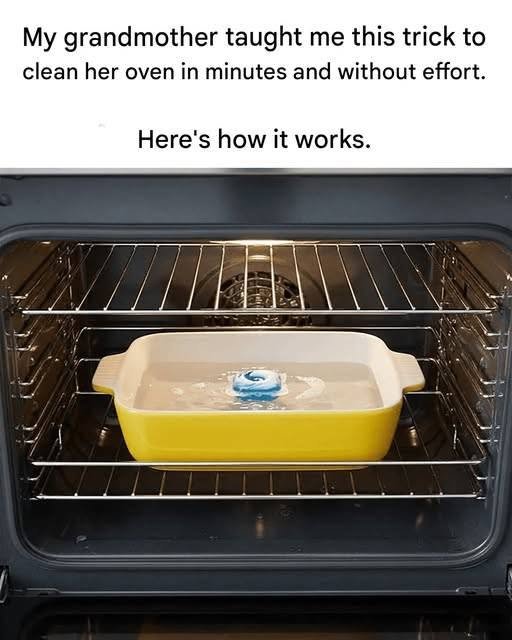
Here’s a Simple Old-Fashioned Trick for Cleaning an Oven Without Harsh Chemicals
Discover an easy old-fashioned oven cleaning method using simple household ingredients, plus tips to remove grease, odors, and baked-on residue.
Here’s a Simple Old-Fashioned Trick for Cleaning an Oven
There is a reason old-fashioned cleaning methods continue to be passed down through families.
Before shelves were filled with dozens of specialty sprays and powerful chemical cleaners, people relied on simple ingredients already sitting in their kitchens.
One of those classic methods is a gentle approach using baking soda, water, and a little time.
If your oven has layers of baked-on grease, food splatters, and stubborn stains, this method may help loosen the mess and make cleaning easier.
It is not magic, and it will not instantly transform a neglected oven into a brand-new appliance—but it is a practical, affordable technique that many homeowners still use today.
Why Oven Cleaning Feels So Difficult
An oven collects residue because of the way we cook.
Every time you bake, roast, or broil, tiny amounts of:
- Oil
- Food particles
- Sauces
- Grease droplets
can stick to the interior surfaces.
Over time, repeated heating causes these residues to harden.
That is why old grease can become difficult to remove with a simple wipe.
Heat changes the texture of food residue, turning soft spills into stubborn, baked-on layers.
The Old-Fashioned Baking Soda Oven Cleaning Method
What You Need
You only need a few basic supplies:
- Baking soda
- Water
- A small bowl
- A sponge or soft cloth
- A spray bottle with vinegar (optional)
- Rubber gloves (optional)
Step 1: Remove Oven Racks
Before cleaning:
- Turn off the oven completely.
- Let it cool.
- Remove racks and trays.
Cleaning the racks separately gives you better access to the oven walls and bottom.
Step 2: Make a Cleaning Paste
Mix:
- About ½ cup baking soda
- A few tablespoons of water
Add water slowly until you create a spreadable paste.
The goal is a texture similar to thick cream—not watery.
Step 3: Apply the Paste
Spread the mixture over the inside surfaces of the oven.
Focus on areas with:
- Grease buildup
- Burned food spots
- Dark residue
Avoid covering:
- Heating elements
- Gas openings
- Electrical components
Step 4: Let It Sit
This is the step many people skip.
The paste needs time to work.
Leave it for several hours or overnight if the oven is heavily dirty.
The baking soda helps loosen residue, making it easier to wipe away.
Step 5: Wipe Away the Dirt
Use a damp cloth or sponge to remove the dried paste.
You may need to repeat the process for stubborn areas.
For tough spots:
- Apply more paste
- Let it sit longer
- Gently scrub
Avoid using sharp objects that can damage oven surfaces.
Step 6: Optional Vinegar Finish
Some people spray a small amount of vinegar after applying baking soda.
The fizzing reaction can help loosen leftover residue.
However, the main cleaning power comes from the baking soda paste and scrubbing action—not from a magical chemical reaction.
After cleaning, wipe away any remaining residue with a clean damp cloth.
Why This Method Works
Baking soda is mildly alkaline, which can help break down acidic grease and food residues.
It also acts as a gentle abrasive, helping lift dirt without the harsh scratching that stronger scrubbing materials may cause.
The biggest advantage is that it gives you:
- Time
- Softening action
- Gentle cleaning power
The waiting period is what helps loosen stubborn buildup.
Cleaning Oven Racks the Easy Way
Oven racks can be one of the most frustrating parts.
Try this:
- Place racks in a bathtub or large container.
- Cover them with warm water.
- Add dish soap.
- Let them soak for several hours.
- Scrub with a non-abrasive brush.
For delicate surfaces, check your oven manufacturer’s instructions before using strong cleaners.
How Often Should You Clean Your Oven?
There is no perfect schedule for everyone.
It depends on how often you cook.
A simple guideline:
Light cooking:
Clean every few months.
Frequent roasting or baking:
Clean more often.
After large spills:
Wipe them once the oven cools.
Small cleanups prevent major buildup later.
Common Oven Cleaning Mistakes
Mistake 1: Cleaning While the Oven Is Hot
A warm oven may seem helpful, but high heat can cause burns and make cleaning products behave differently.
Always allow the oven to cool.
Mistake 2: Scrubbing Too Aggressively
Hard scrubbing tools can scratch surfaces or damage coatings.
Use gentle pressure.
Mistake 3: Ignoring the Oven Door
Grease often collects on the glass window.
A baking soda paste can also help loosen door stains.
Mistake 4: Using Too Much Water
Excess moisture can get into areas where it does not belong.
Use a damp cloth rather than soaking the oven interior.
Natural Oven Cleaning vs Commercial Cleaners
| Method | Advantages | Considerations |
|---|---|---|
| Baking soda paste | Affordable, simple, gentle | Requires time and effort |
| Commercial oven cleaner | Often faster on heavy grease | Strong fumes; follow instructions carefully |
| Steam cleaning | Uses moisture to loosen residue | May not remove heavy buildup alone |
The best choice depends on how dirty your oven is and your personal preferences.
A Simple Maintenance Routine
To keep your oven cleaner:
✔ Place baking sheets under messy dishes
✔ Wipe spills after the oven cools
✔ Avoid letting grease accumulate
✔ Clean racks regularly
✔ Check the oven seal and door area
A few minutes of maintenance can save hours later.
Frequently Asked Questions
Can baking soda really clean a dirty oven?
Yes, baking soda can help loosen grease and food residue, especially when given enough time to work.
How long should I leave baking soda in my oven?
For light cleaning, a few hours may help. For heavier buildup, many people leave it overnight.
Can I use vinegar and baking soda together?
They react and create fizzing, but the reaction itself is not the main cleaning power. Baking soda’s gentle scrubbing and residue-loosening properties do most of the work.
Is this method safe for self-cleaning ovens?
Check your oven manufacturer’s instructions. Some surfaces or components may require specific care.
How do I remove burnt food from the bottom of an oven?
Soaking the area with a baking soda paste can help soften the residue before gentle scrubbing.
Can I clean oven racks with baking soda?
Yes, baking soda can be used as part of a soaking or scrubbing method for racks.
How do I remove oven smells?
Cleaning leftover food residue and wiping surfaces thoroughly can help reduce odors.
How often should I deep clean my oven?
It depends on use, but cleaning every few months is common for many households.
Easy Oven Cleaning Checklist
✔️ Do
- Let the oven cool completely.
- Remove racks before cleaning.
- Use a baking soda paste for buildup.
- Allow time for the paste to work.
- Wipe away residue thoroughly.
❌ Avoid
- Cleaning a hot oven.
- Using sharp tools that scratch surfaces.
- Mixing cleaning chemicals together.
- Getting moisture into electrical areas.
Conclusion
Sometimes the simplest solutions are the ones that last.
A basic mixture of baking soda and water may not replace every heavy-duty cleaner, but it remains a practical way to tackle everyday oven grease and buildup.
The secret is patience: let the paste sit, give it time to loosen the mess, and avoid rushing the process.
A cleaner oven does not always require expensive products. A simple baking soda paste, a little patience, and regular maintenance can help keep your oven fresh and easier to clean.