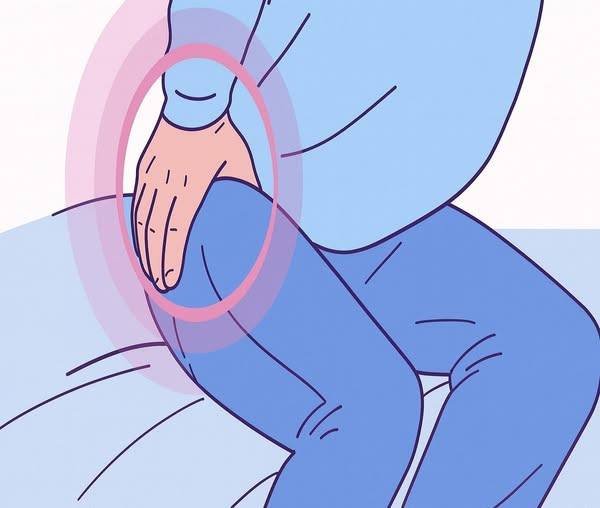
Hip Pain Explained: What It Really Means, What Causes It, and When to Take It Seriously
Wondering what your hip pain means? Learn the common causes, warning signs, treatments, and when to see a doctor in this complete guide.
When Hip Pain Isn’t Just “Aches and Pains”
You wake up, take a step—and feel it. A dull ache, a sharp pinch, or stiffness deep in your hip. At first, you brush it off. Maybe you slept wrong. Maybe it’s just age.
But then it lingers.
Hip pain is one of the most common complaints among adults in the United States, especially after 40. Yet many people ignore it until it interferes with walking, sleeping, or even sitting comfortably.
Here’s the reality: hip pain is not a diagnosis—it’s a signal. And understanding what your body is trying to tell you can make all the difference.
This guide breaks down what hip pain really means, the most common causes, how to tell what type you might have, and what to do next—without unnecessary fear or confusion.
Understanding the Hip: Why It Matters
The hip is one of the body’s largest and most important joints. It’s a ball-and-socket joint, allowing a wide range of motion while supporting your full body weight.
Because it’s used constantly—for walking, bending, sitting, and standing—it’s especially vulnerable to wear, injury, and inflammation.
What Does Hip Pain Usually Mean?
Hip pain can come from different structures:
- Joint problems (like arthritis)
- Muscles or tendons (strains or inflammation)
- Nerves (referred pain from the back)
- Bones (fractures or degeneration)
Understanding where the pain is located often gives the first clue.
Types of Hip Pain (And What They Often Indicate)
1. Pain in the Front of the Hip (Groin Area)
This is often related to the hip joint itself.
Common causes:
- Osteoarthritis
- Hip labral tears
- Hip flexor strain
What it feels like:
- Deep, aching pain
- Stiffness, especially in the morning
- Difficulty bending or lifting your leg
2. Pain on the Outside of the Hip
This is one of the most common types—especially in women.
Common causes:
- Trochanteric bursitis
- Tendon inflammation
- IT band irritation
What it feels like:
- Sharp or burning pain
- Worse when lying on that side
- Tender to touch
3. Pain in the Back of the Hip or Buttock
This is often mistaken for hip pain but may come from the spine.
Common causes:
- Sciatica
- Lower back issues
- Piriformis syndrome
What it feels like:
- Radiating pain down the leg
- Tingling or numbness
- Worse when sitting
The Most Common Causes of Hip Pain
1. Osteoarthritis (Wear and Tear)
This is the leading cause of hip pain in older adults.
- Cartilage breaks down over time
- Bones begin to rub together
- Pain gradually worsens
Signs to watch:
- Stiffness after rest
- Reduced range of motion
- Clicking or grinding sensation
2. Muscle Strain or Overuse
This can happen at any age—especially if you’ve recently:
- Started exercising
- Increased activity levels
- Made sudden movements
Good news:
This type of pain often improves with rest and care.
3. Bursitis (Inflammation)
Bursae are small fluid-filled sacs that reduce friction. When they become inflamed, movement becomes painful.
This is very common in:
- Women over 40
- People who sleep on one side
- Those who stand for long periods
4. Nerve-Related Pain
Sometimes the hip isn’t the real problem.
Conditions like sciatica originate in the lower back but send pain through the hip and leg.
5. Injuries and Trauma
Falls, sports injuries, or accidents can lead to:
- Fractures
- Dislocations
- Soft tissue damage
⚠️ This is especially serious in older adults and requires immediate attention.
When Hip Pain Is a Warning Sign
Most hip pain is manageable—but some symptoms should not be ignored.
Seek medical care if you have:
- Sudden, severe pain after a fall
- Inability to put weight on your leg
- Swelling, redness, or warmth
- Fever with joint pain
- Pain that lasts more than a few weeks
How to Relieve Hip Pain at Home
Step-by-Step Relief Strategy
1. Rest (But Not Too Much)
Avoid activities that worsen pain—but don’t stay completely inactive.
2. Apply Ice or Heat
- Ice for inflammation (first 48 hours)
- Heat for stiffness
3. Gentle Stretching
Focus on:
- Hip flexors
- Hamstrings
- Glutes
4. Over-the-Counter Pain Relief
Medications like Ibuprofen can reduce inflammation (use as directed).
5. Improve Sleeping Position
- Use a pillow between your knees
- Avoid sleeping on the painful side
Practical Daily Habits That Help
- Maintain a healthy weight
- Wear supportive footwear
- Avoid prolonged sitting
- Strengthen core and hip muscles
Real-Life Scenario
A 52-year-old office worker in Texas started experiencing hip pain after long workdays. She assumed it was aging.
The real issue? Sitting for 8+ hours daily.
After:
- Taking short walking breaks
- Adjusting her chair height
- Adding light stretching
Her pain improved within weeks—without medication.
Common Mistakes People Make
- Ignoring early symptoms
- Self-diagnosing incorrectly
- Overusing painkillers
- Avoiding movement completely
- Waiting too long to seek help
Pros and Cons of Different Treatment Approaches
| Approach | Pros | Cons |
|---|---|---|
| Home remedies | Affordable, simple | Slower results |
| Physical therapy | Targets root cause | Requires consistency |
| Medication | Fast relief | Side effects possible |
| Surgery | Long-term fix (in severe cases) | High cost, recovery time |
Expert Tips Most People Don’t Know
- Weak glutes are a hidden cause of hip pain
- Your shoes can directly impact hip alignment
- Sitting posture affects hip joints more than walking
- Strength training is more effective than stretching alone
- Early intervention prevents chronic pain
2026 Trends in Hip Pain Treatment
- Personalized physical therapy programs
- At-home mobility apps
- Non-invasive treatments gaining popularity
- Increased focus on prevention over treatment
Future Outlook
As more Americans adopt sedentary lifestyles, hip pain is expected to rise. But awareness is also improving.
The future of treatment is shifting toward:
- Movement-based recovery
- Preventive care
- Holistic health approaches
Frequently Asked Questions (FAQs)
1. Is hip pain a sign of aging?
Not always. While common with age, it can occur at any stage of life.
2. How do I know if it’s serious?
Severe pain, injury, or long-lasting symptoms should be evaluated by a doctor.
3. Can walking make hip pain worse?
It depends. Gentle walking often helps, but overdoing it can worsen symptoms.
4. Should I stretch or rest?
Both—balance is key.
5. Can weight affect hip pain?
Yes. Extra weight increases pressure on the joint.
6. Is hip pain related to back problems?
Often, yes—especially with nerve-related pain.
7. What’s the fastest way to relieve hip pain?
Rest, ice, and anti-inflammatory medication can provide quick relief.
8. When should I see a doctor?
If pain lasts more than 2–3 weeks or worsens.
Action Checklist
- ✔ Identify where your pain is located
- ✔ Reduce activities that worsen it
- ✔ Start gentle movement daily
- ✔ Use ice or heat appropriately
- ✔ Monitor symptoms for changes
- ✔ Seek medical advice if needed
Hip pain is your body’s way of telling you something needs attention—not something to ignore or fear.
The key is understanding the cause early and responding with the right approach.
Final Thought
Most hip pain doesn’t require drastic measures—just smarter habits and timely care.
Pay attention to your body now, and it will support you for years to come.
Your Turn
Have you experienced hip pain recently? What helped—or didn’t?
Share your experience below. Your insight could help someone else find relief faster.