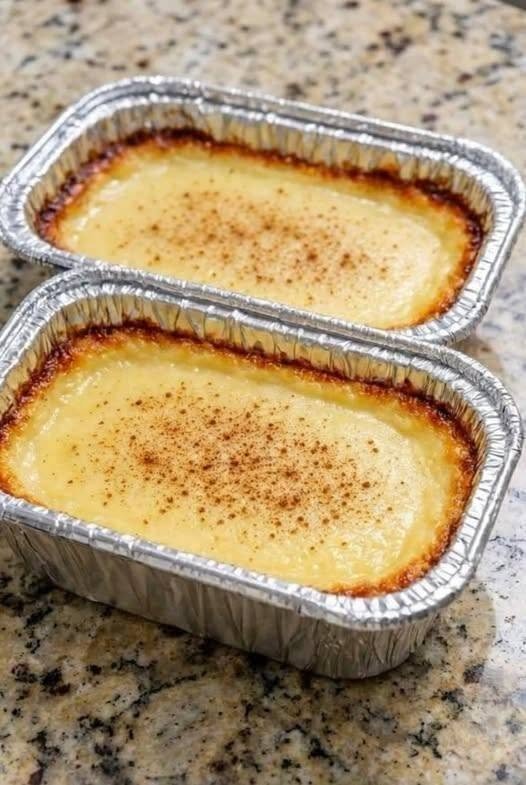
Homemade Baked Egg Custard
There’s something wonderfully comforting about a dessert that has stood the test of time. Homemade Baked Egg Custard is one of those treasured classics that fills the kitchen with the warm aroma of vanilla and nutmeg while baking. With its silky-smooth texture, delicate sweetness, and golden top dusted with fragrant spice, this simple dessert proves that a handful of everyday ingredients can create something truly special.
Whether you remember enjoying baked custard at your grandmother’s table or you’re discovering this old-fashioned favourite for the first time, this recipe is sure to become a staple in your home. Every spoonful is creamy, rich, and satisfying, making it perfect for cosy evenings, family dinners, or whenever you’re craving a homemade dessert that feels like a warm hug.
The best part? Homemade Baked Egg Custard is surprisingly easy to make. With just eggs, milk, sugar, and vanilla, you can create a bakery-worthy dessert that’s elegant enough for guests yet simple enough for a weekday treat.
💛 Why You’ll Love This Recipe
- 🥚 Simple Ingredients: Made with pantry staples you likely already have.
- ⏱️ Easy to Prepare: Just 10 minutes of prep before baking.
- 💰 Budget-Friendly: An affordable dessert that serves the whole family.
- 👩🍳 Beginner-Friendly: Perfect for anyone learning to bake.
- 🍮 Rich Yet Light: Creamy, silky, and satisfying without feeling overly heavy.
- ❄️ Delicious Warm or Chilled: Enjoy it fresh from the oven or cold from the fridge.
- 🎉 Perfect for Any Occasion: Great for holidays, Sunday dinners, afternoon tea, or comforting weeknight desserts.
- ❤️ Classic Comfort Food: A nostalgic recipe passed down through generations.
- 🍽️ Naturally Gluten-Free: No flour required.
Pro Tip: Baking the custard in a water bath ensures an incredibly smooth and creamy texture every time.
🧾 Ingredients (With Exact Measurements + Pro Notes)
Essential Ingredients
Whole Milk
- 500 ml (2 cups / 17 fl oz)
Creates the creamy base of the custard.
Substitution: Half-and-half makes a richer custard, while semi-skimmed milk creates a lighter version.
Large Eggs
- 4 large eggs (about 200 g / 7 oz without shells)
Provide structure and richness.
Always use room-temperature eggs for the smoothest custard.
Granulated Sugar
- 100 g (½ cup / 3.5 oz)
Adds gentle sweetness.
Substitution: Caster sugar dissolves even more easily.
Pure Vanilla Extract
- 2 teaspoons (10 ml)
Gives the custard its classic flavour.
Ground Nutmeg
- ½ teaspoon
Sprinkled on top for a traditional finish.
Freshly grated nutmeg offers the best aroma.
Salt
- ¼ teaspoon
Balances the sweetness and enhances flavour.
Optional Ingredients
Heavy Cream
- 120 ml (½ cup / 4 fl oz)
Replace part of the milk for an extra luxurious texture.
Cinnamon
- ¼ teaspoon
Adds gentle warmth.
Lemon Zest
- 1 teaspoon
Brightens the flavour with a hint of citrus.
Smart Substitutions
- Dairy-free milk (oat, almond, or soy) for a lactose-free version.
- Coconut milk for a tropical twist.
- Honey or maple syrup can replace some of the sugar.
- Vanilla bean paste instead of vanilla extract for a richer flavour.
🥗 Nutritional Information (Per Serving)
Approximate values (based on 6 servings):
- Calories: 190
- Protein: 8 g
- Carbohydrates: 20 g
- Fat: 9 g
- Fiber: 0 g
- Calcium: High
- Vitamin D: Moderate
- Vitamin B12: High
- Phosphorus: High
Dietary Information
- ✅ Gluten-Free
- ❌ Keto-Friendly
- ❌ Vegan
- ❌ Dairy-Free (unless substitutions are used)
- ⚖️ Moderately weight-loss friendly when enjoyed in sensible portions.
Did You Know? Eggs are naturally rich in choline, an important nutrient that supports brain health.
🍳 Kitchen Tools Needed
Basic Equipment
- Mixing bowl
- Whisk
- Measuring cups
- Measuring spoons
- Fine sieve (optional)
- 6 ramekins or one 1.5-litre baking dish
- Deep roasting pan
- Kettle for hot water
- Oven
Optional Upgrades
- Kitchen thermometer
- Silicone spatula
- Fine grater for fresh nutmeg
No ramekins? A single baking dish works just as well—simply increase the baking time slightly.
👩🍳 Step-by-Step Instructions
Step 1: Preheat the Oven
Preheat your oven to 160°C (320°F).
Place the ramekins or baking dish inside a deep roasting pan.
Step 2: Warm the Milk
Heat the milk gently in a saucepan over medium heat until it is warm but not boiling (about 60–70°C / 140–160°F).
Visual cue: Tiny bubbles may form around the edges, but the milk should not simmer.
⚠️ What should NOT happen: Boiling the milk can affect the custard’s texture.
Step 3: Whisk the Eggs
In a large bowl, whisk together:
- Eggs
- Sugar
- Salt
- Vanilla
Whisk until smooth without creating too much foam.
Step 4: Temper the Eggs
Slowly pour the warm milk into the egg mixture while whisking continuously.
This prevents the eggs from scrambling.
Pro Tip: Pour the milk in a thin stream for the smoothest custard.
Step 5: Strain the Mixture
Pour the custard through a fine sieve into a jug.
This removes any tiny bits of cooked egg for an ultra-silky finish.
Step 6: Fill the Dishes
Divide the custard evenly among the ramekins.
Sprinkle each with a light dusting of ground nutmeg.
Step 7: Prepare the Water Bath
Carefully pour hot water into the roasting pan until it reaches halfway up the sides of the ramekins.
The water bath helps the custard cook gently and evenly.
Step 8: Bake
Bake for 35–45 minutes.
The custard is ready when:
- The edges are set.
- The centre has a slight wobble.
- A knife inserted near the centre comes out mostly clean.
⚠️ Do not overbake. The custard should never puff dramatically or crack.
Step 9: Cool and Serve
Remove the ramekins from the water bath.
Cool for 20 minutes.
Serve warm or refrigerate for at least 2 hours for a chilled dessert.
👨🍳 Chef-Level Tips & Mistakes to Avoid
Pro Tips
- Always use room-temperature eggs.
- Warm the milk gently—never boil it.
- Strain the custard before baking.
- Bake in a water bath for a silky texture.
- Freshly grate the nutmeg just before baking for maximum flavour.
Common Mistakes
Rubbery Custard
Cause: Overbaking.
Fix: Remove it while the centre still jiggles slightly.
Grainy Texture
Cause: Milk was too hot or eggs cooked too quickly.
Cracked Surface
Cause: Oven temperature was too high.
Bake low and slow.
Watery Custard
Cause: Underbaking.
Bake until just set.
🌟 Variations & Customisations
🍯 Healthier Version
- Reduce sugar by one-third.
- Use semi-skimmed milk.
- Add cinnamon for extra flavour without extra sugar.
👧 Kids-Friendly Version
Top with:
- Fresh berries
- Banana slices
- A drizzle of caramel sauce
🍮 Restaurant-Style Version
Serve with:
- Fresh whipped cream
- Caramel sauce
- Vanilla bean
- Candied orange peel
🌍 Creative Twist
Try adding:
- Espresso powder
- Pumpkin spice
- Coconut milk
- Orange zest
- Maple syrup
🌶️ Spiced Version
Add:
- Extra cinnamon
- Cardamom
- Ginger
- Cloves
Perfect for autumn and festive gatherings.
🧊 Storage & Reheating Guide
Refrigerator
Store covered for 3–4 days.
Keep chilled until serving.
Freezer
Not recommended, as freezing can make the custard watery after thawing.
Reheating
For warm custard:
- Microwave on low power for 20–30 seconds.
- Or warm gently in a low oven at 150°C (300°F) for about 10 minutes.
Avoid overheating to maintain the silky texture.
🍽️ Serving Suggestions
Delicious Pairings
- Fresh berries
- Poached pears
- Shortbread biscuits
- Butter cookies
- Fruit compote
Drinks
- Tea
- Coffee
- Hot chocolate
- Chai latte
- Vanilla latte
Garnishing Ideas
- Fresh mint
- Nutmeg
- Cinnamon
- Whipped cream
- Toasted almonds
- Caramel drizzle
Plating Tips
Serve in elegant ramekins on small dessert plates with fresh berries and a light dusting of nutmeg for a beautiful presentation.
Did You Know? Baked custards have been enjoyed in Europe for centuries and remain one of the world’s most beloved classic desserts because of their simplicity and timeless flavour.
❓ Frequently Asked Questions
1. Why did my baked egg custard become rubbery?
It was likely overbaked. Remove it from the oven while the centre still has a slight wobble.
2. Can I make baked egg custard ahead of time?
Yes. It can be prepared a day in advance and stored in the refrigerator.
3. Why is my custard watery?
It may not have baked long enough or the ingredient ratios were altered.
4. Can I use low-fat milk?
Yes, although whole milk creates a richer and creamier texture.
5. Is a water bath really necessary?
Yes. It helps prevent curdling and ensures a smooth, silky custard.
6. Can I flavour the custard differently?
Absolutely. Try almond extract, citrus zest, cinnamon, coffee, or pumpkin spice.
7. How do I know when the custard is done?
The edges should be set while the centre gently jiggles when the ramekin is lightly shaken.
Discover the best Homemade Baked Egg Custard recipe with step-by-step instructions, exact measurements, nutrition facts, expert tips, delicious variations, storage advice, FAQs, and serving ideas for a silky, creamy classic dessert.
Few desserts offer the same comforting charm as Homemade Baked Egg Custard. With its smooth, velvety texture, delicate vanilla flavour, and beautifully golden finish, it’s a timeless recipe that never goes out of style. Whether you’re making it for a family gathering, a quiet evening treat, or simply to enjoy a taste of nostalgia, this classic dessert is sure to impress.
If you make this recipe, I’d love to hear how it turned out! Leave a comment with your favourite toppings or creative twists, share your experience, and don’t forget to post a photo on social media to inspire fellow dessert lovers. Happy baking!