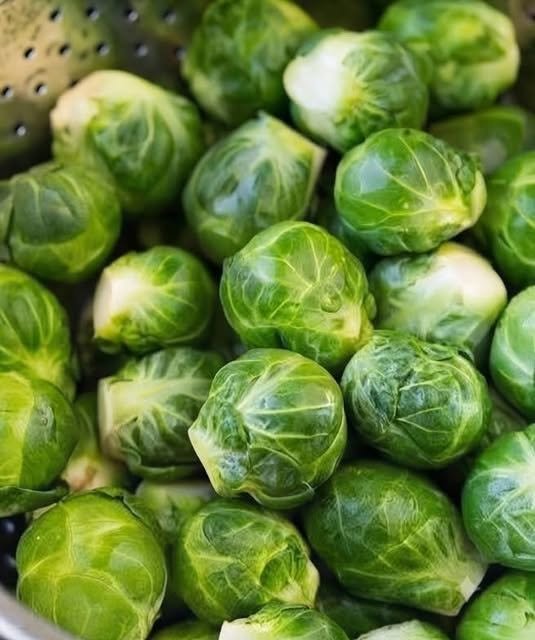
For decades, the humble Brussels sprout was the undisputed villain of the American dinner table. Mentioned in sitcoms as the ultimate punishment for misbehaving children and boiled into gray, sulfurous submission by well-meaning parents, these miniature cabbages earned a reputation as culinary torture devices.
Times have drastically changed. Today, data from the USDA shows that per capita consumption of Brussels sprouts has surged significantly, transforming them from a punchline into a trendy staple found on nearly every gastropub and upscale restaurant menu across the country.
Why Everyone Suddenly Loves Brussels Sprouts
The dramatic rehabilitation of the Brussels sprout isn’t just a collective shift in taste—it is the result of actual science and a complete revolution in cooking techniques.
-
The Science of Less Bitterness: Back in the 1990s, Dutch scientists identified the chemical compounds (glucosinolates like sinigrin) responsible for the intense bitterness that kids historically loathed. Seed companies began selectively breeding varieties with significantly lower bitterness levels. The sprouts you buy today are naturally sweeter and milder than the ones served in the mid-20th century.
-
The Death of the Boil: The traditional method of boiling Brussels sprouts broke down their cell walls and released unpleasant sulfur compounds, creating that notorious gym-sock smell. Modern cooking methods—specifically high-heat roasting, pan-charring, and deep-frying—caramelize the natural sugars and create crispy, nutty outer leaves.
-
The Magic of Umami Pairings: Culinary pioneers like David Chang and innovative chefs nationwide proved that Brussels sprouts thrive when paired with bold, rich elements like thick-cut bacon, hot honey, balsamic reductions, fish sauce, or gochujang.
How to Cook Them So They Actually Taste Good
If you are still recovering from childhood food trauma, ditch the steamer basket entirely. Achieving restaurant-quality Brussels sprouts at home requires just a few basic steps:
-
Trim and Halve: Cut off the tough brown stem ends and slice each sprout cleanly in half from top to bottom. Pull away any loose, outer yellow leaves.
-
Dry Completely: Moisture is the enemy of crispiness. Make sure the sprouts are entirely dry after washing them.
-
High Heat is Key: Toss them generously with olive oil, salt, and black pepper, then spread them out cut-side down on a heavy, pre-heated baking sheet. Roast at 400°F (200°C) for 20 to 25 minutes until the bottoms are deeply browned and caramelized.
-
Finish Boldly: Toss the hot roasted sprouts with a splash of balsamic vinegar, a drizzle of hot honey, or crumbled bacon lardons right before serving.
Ultimately, the cultural perception of Brussels sprouts has completed a full 180-degree turn. They aren’t a chore anymore; they’re the best part of the meal.