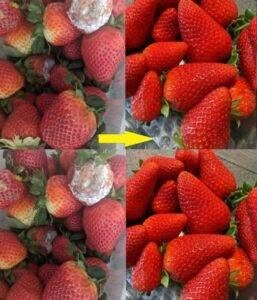
How to Keep Strawberries Fresh for Longer – No More Mushiness!
Stop wasting money on moldy berries. Learn how to keep strawberries fresh for longer with simple, science-backed storage tricks that prevent mushiness.
There is few culinary heartbreak quite like reaching into your refrigerator for a punnet of vibrant red strawberries, only to discover a fuzzy patch of grey mold hiding at the bottom. Strawberries are notoriously delicate. Their soft skin, high moisture content, and lack of a protective outer rind make them prime targets for spoilage within just a few days of bringing them home from the grocery store.
Fortunately, keeping your berries plump, bright, and sweet for up to two weeks doesn’t require expensive gadgets or chemical preservatives. By understanding the science of mold growth and implementing a proper washing and storage routine, you can completely eliminate mushiness and fruit waste.
Understanding Why Strawberries Spoil So Quickly
To stop strawberries from spoiling, you have to understand the enemy: microscopic mold spores (Botrytis cinerea). These spores are already present on the surface of almost all fresh fruit when harvested. When trapped in the damp, sealed plastic clamshell packaging from the store, these spores activate rapidly, feeding on the natural sugars and moisture of bruising berries.
Furthermore, moisture is the primary catalyst for cellular breakdown. When you wash strawberries and store them wet, the cell walls absorb excess water, turning the fruit soft, waterlogged, and prone to rapid rotting.
Ignoring proper post-purchase prep almost always guarantees that half your berry haul goes straight into the compost bin.
The Golden Rules of Extended Berry Preservation
Mastering strawberry storage comes down to three non-negotiable steps: managing moisture, neutralizing mold spores, and ensuring proper airflow.
-
The Vinegar Rinse Solution: A quick soak in a mild water-and-vinegar bath destroys surface mold spores without leaving a taste, drastically slowing down decomposition.
-
The Absolute Dry Rule: Strawberries must be completely, 100% bone-dry before entering cold storage. Any lingering moisture spells disaster.
-
Breathable Containers: Plastic clamshells trap humidity. Upgrading to a breathable glass or plastic container lined with paper towels creates the optimal microclimate.
Step-by-Step Actionable Guide to Long-Lasting Strawberries
Follow this exact method the moment you return home from the grocery store to maximize the lifespan of your fruit.
-
Sort and Discard: Immediately inspect your berries. If you spot a single mushy or moldy berry, remove it right away. Mold spreads rapidly by contact, and one bad berry will infect the entire batch.
-
Leave the Hulls On: Do not cut off the green leafy tops (hulls) before storing. Cutting the stem exposes the interior flesh to air and moisture, causing the fruit to rot and lose its vitamin C much faster.
-
Give Them a Vinegar Bath: Fill a large bowl with three parts cold water to one part white vinegar. Submerge the unwashed strawberries and gently swirl them for 30 to 60 seconds. The vinegar neutralizes mold spores instantly.
-
Rinse and Spin: Drain the vinegar solution and rinse the berries briefly in clean cold water. Transfer them to a salad spinner lined with paper towels and spin gently to shake off excess water.
-
Air Dry Completely: Spread the damp berries out in a single layer on a clean dish towel or fresh paper towels on your counter. Let them air-dry completely for at least 30 to 60 minutes.
-
Store with Breathable Barriers: Line a clean, dry glass storage container or storage box with fresh paper towels. Place the dry strawberries inside in a single, uncrowded layer. Leave the lid slightly cracked or use a vented container to allow air circulation.
Strategic Comparison: Standard Storage vs. The Vinegar-Bath Method
| Feature | Standard Store-Bought Clamshell Storage | Proper Vinegar-Bath & Dry Storage |
| Lifespan | 2 to 4 days before mold and mushiness set in | 10 to 14 days of fresh, plump texture |
| Mold Spore Activity | Active and flourishing due to trapped humidity | Neutralized by the acetic acid in the vinegar wash |
| Moisture Control | Traps condensation against the fruit surface | Controlled by absorbent paper towel linings |
| Food Waste | High percentage of discarded spoiled fruit | Minimal waste, maximizing your grocery budget |
Pros and Cons of Advanced Berry Storage
-
Pros:
-
Dramatically extends shelf life from days to weeks.
-
Saves money by eliminating unnecessary food waste.
-
Keeps berries tasting fresh, firm, and clean for snacking.
-
Removes invisible surface pesticides and dirt effectively.
-
-
Cons:
-
Requires 45 minutes of upfront prep work immediately after shopping.
-
Takes up a bit more refrigerator shelf space than stacking plastic clamshells.
-
Requires constant rotation and checking of paper towel linings.
-
Common Mistakes and How to Fix Them
-
Mistake: Washing all your strawberries right when you get home without drying them thoroughly.
-
Fix: If you wash berries, they must be completely air-dried before going back into the fridge. Alternatively, only wash the exact amount you plan to eat immediately, leaving the rest unwashed until consumption.
-
-
Mistake: Storing berries in an airtight, completely sealed container.
-
Fix: Hermetic seals trap respiration gases and humidity. Always ensure a small amount of airflow or use a vented produce saver.
-
-
Mistake: Leaving bruised or moldy berries in the batch.
-
Fix: Perform a rigorous quality check before storage. Discard any weeping or bruised fruit immediately.
-
Expert Insights: Agricultural and Food Safety Perspectives
Food scientists and agricultural researchers emphasize that post-harvest handling is the leading factor in fruit degradation. Because berries respire and release heat and moisture in cold storage, managing that microclimate is essential. Studies show that mild organic acid rinses (like acetic acid or citric acid) successfully reduce microbial loads on soft-skinned fruits without compromising cell wall structural integrity.
Frequently Asked Questions
-
Does the vinegar taste linger on the strawberries?
No, as long as you give them a brief rinse in clean water after the vinegar bath and let them dry completely, no vinegar flavor remains.
-
Should I store strawberries in the refrigerator door?
Avoid the refrigerator door. The door experiences frequent temperature fluctuations every time it is opened. Store your berries on a middle or lower shelf where the temperature remains stable.
-
Can I freeze fresh strawberries if they start getting too ripe?
Yes! If you notice your berries getting soft, hull them, slice them, arrange them on a baking sheet to flash-freeze, and transfer them to a freezer bag for smoothies later.
-
Why do strawberries turn white or mushy in the fridge?
This happens when berries suffer from chilling injury due to being stored in the coldest parts of the fridge, or when trapped moisture breaks down their cell walls.
-
Is it safe to eat strawberries with a tiny spot of mold?
No. Mold has microscopic roots called hyphae that penetrate deep into soft fruits like strawberries. If one berry shows visible mold, discard it entirely.
-
How long do strawberries last using this method?
When properly washed, dried, and stored with paper towels in a breathable container, fresh strawberries easily last 10 to 14 days.
-
Can I use apple cider vinegar instead of white vinegar?
White vinegar is preferred because it is neutral and clear, but apple cider vinegar works in a pinch as long as you rinse thoroughly.
-
What is the best container material for storing berries?
Glass containers or specialized produce-saver boxes with adjustable vents provide the most stable environment compared to thin plastic packaging.
Action Checklist for Keeping Berries Fresh
-
What to do:
-
Inspect every berry and remove any showing signs of bruising or mold.
-
Give berries a quick water-and-vinegar bath to neutralize spores.
-
Dry berries 100% before putting them into storage.
-
Line storage containers with fresh paper towels to absorb excess humidity.
-
-
What to avoid:
-
Washing berries and storing them while still damp.
-
Cutting off the green stems before storing.
-
Storing berries in airtight, sealed containers with zero airflow.
-
Leaving bruised or moldy berries in contact with healthy ones.
-
A quick vinegar bath, thorough air-drying, and proper moisture control in the fridge transform fragile strawberries from a two-day waste into a long-lasting, fresh-tasting staple.