How to Make a Super-Effective Homemade Herbicide: Natural Weed Control Methods That Actually Work
Learn how to make homemade herbicides, what ingredients work, what to avoid, and safer ways to control weeds in your garden.
How to Make a Super-Effective Homemade Herbicide
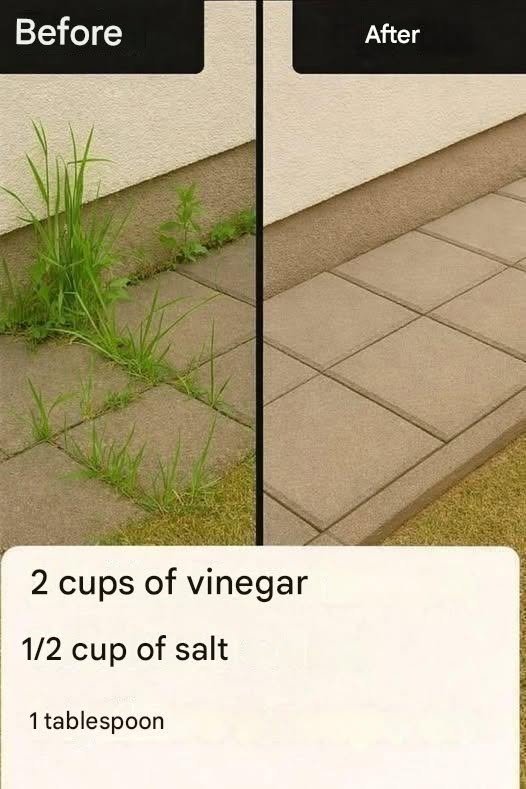
A few weeds appear in the driveway.
Then a few more show up between patio stones, along fences, or around garden beds.
Before long, they seem to take over every corner of your yard.
Many homeowners immediately reach for commercial weed killers. But others prefer a homemade approach—something simple, affordable, and easier to understand.
The truth is that homemade herbicides can help control certain weeds, especially small young weeds growing in cracks and unwanted areas.
However, there is no magic kitchen recipe that eliminates every weed forever.
The most effective approach combines:
- The right ingredients
- Proper timing
- Direct application
- Prevention strategies
Understanding how weeds grow is the real secret to long-term control.
Why Weeds Are So Difficult to Remove
Weeds are not just unwanted plants.
They are survivors.
Many weeds can:
- Grow quickly
- Produce thousands of seeds
- Spread through underground roots
- Return after being cut down
A homemade herbicide works best when it targets the weed’s leaves and prevents it from continuing to grow.
But if the roots are well established, repeated treatment may be needed.
The Simple Homemade Weed Spray Recipe
One of the most common homemade weed control mixtures uses ingredients many people already have at home.
Basic Recipe
Ingredients:
- White vinegar
- A small amount of liquid dish soap
How It Works:
Vinegar:
The acetic acid in vinegar can damage plant tissues, especially the leaves.
Dish soap:
The soap helps the liquid spread across the leaf surface instead of rolling off.
How to Make and Use It
Step 1: Choose a Dry Day
Apply when:
- Rain is not expected
- The sun is available
- Wind is low
Rain can wash away the mixture before it works.
Step 2: Spray the Leaves Directly
Focus on:
- Weed leaves
- Stems
- Young growth
Avoid soaking surrounding plants you want to keep.
Step 3: Allow Time to Work
You may notice changes within a few hours to several days.
The leaves may:
- Wilt
- Turn brown
- Dry out
Important: Vinegar Is Not Selective
This is one of the biggest mistakes people make.
A homemade vinegar spray does not know the difference between:
- A weed
- A flower
- A vegetable plant
- Grass
If it touches a plant, it may damage it.
Use carefully around desirable plants.
Where Homemade Herbicides Work Best
Homemade weed sprays are most useful for:
1. Driveway Cracks
Examples:
- Between concrete slabs
- Along sidewalks
- Around stones
2. Patio Areas
They can help manage weeds growing where you do not want vegetation.
3. Fence Lines
Useful for controlling unwanted growth around edges.
4. Small Young Weeds
Young weeds are usually easier to control than mature plants.
Where Homemade Herbicides May Not Be the Best Choice
Avoid using strong homemade mixtures in areas where you want healthy soil and plants.
Be cautious around:
- Vegetable gardens
- Flower beds
- Newly planted areas
Repeated use of certain ingredients may affect soil conditions.
Natural Weed Control Alternatives
A good weed-control strategy often combines several methods.
1. Mulching
Mulch blocks sunlight and makes it harder for weeds to grow.
Common options include:
- Wood chips
- Straw
- Leaves
- Compost
2. Hand Pulling
Simple, but effective when done correctly.
The key:
Remove as much of the root system as possible.
3. Boiling Water Method
For weeds growing in cracks or hard surfaces, carefully applied boiling water can damage plant tissues.
Use caution to avoid burns.
4. Ground Covers
Healthy ground-cover plants can compete with weeds by filling open space.
Common Homemade Herbicide Mistakes
Mistake 1: Using Too Much Dish Soap
More soap does not mean better weed control.
Excess soap may create unnecessary environmental impact and can harm nearby plants.
Mistake 2: Spraying Before Rain
Water can reduce effectiveness.
Choose a dry period.
Mistake 3: Applying on Windy Days
Spray drift can damage plants you want to protect.
Mistake 4: Expecting One Application to Work Forever
Many weeds return because the root system remains alive.
Long-term control requires prevention.
Homemade Herbicide vs Commercial Weed Killer
| Homemade Methods | Commercial Herbicides |
|---|---|
| Often uses simple ingredients | Designed for specific weed control |
| Useful for small areas | Often stronger and more targeted |
| Lower cost | More product options |
| Requires careful application | Must follow label instructions |
The best choice depends on your situation, the type of weed, and where it is growing.
Safety Tips When Making Homemade Weed Sprays
Even simple household ingredients should be used responsibly.
Remember:
- Avoid spraying on windy days
- Protect your eyes and skin
- Keep mixtures away from children and pets
- Label any spray bottle clearly
- Do not mix household chemicals together
Never combine vinegar with bleach or other incompatible cleaners, as dangerous fumes can form.
A Better Long-Term Weed Prevention Plan
The strongest weed strategy is prevention.
Try this routine:
Weekly
✔ Remove small weeds early
✔ Check cracks and garden edges
Monthly
✔ Refresh mulch
✔ Inspect problem areas
Seasonally
✔ Improve soil health
✔ Plant densely to reduce empty spaces
Healthy, covered soil gives weeds fewer opportunities.
Frequently Asked Questions
Does homemade vinegar weed killer really work?
It can work on many small, young weeds, especially on hard surfaces. Results vary depending on the weed type and growing conditions.
Will vinegar kill weeds permanently?
Usually not. Vinegar often damages the visible plant but may not kill deep roots.
Can I use homemade herbicide in my vegetable garden?
Use caution. Some homemade sprays can damage vegetables and affect surrounding plants.
How quickly does homemade weed killer work?
Some weeds may show damage within hours, while others take longer.
Is vinegar safer than commercial herbicides?
“Natural” does not always mean harmless. Vinegar can damage plants and should be used carefully.
What is the best time to spray weeds?
Dry, sunny conditions are usually more effective because the spray stays on the leaves longer.
Can dish soap kill weeds by itself?
Dish soap may damage some plants, but it is usually used as a helper ingredient rather than the main weed killer.
How do I stop weeds from coming back?
Combine removal, mulching, healthy soil practices, and regular maintenance.
Homemade Weed Control Checklist
✔️ Do
- Spray weeds directly.
- Choose dry weather.
- Protect plants you want to keep.
- Remove weeds before they mature.
- Use prevention methods like mulch.
❌ Avoid
- Spraying entire garden areas.
- Using excessive amounts of ingredients.
- Applying near valuable plants without protection.
- Mixing household chemicals.
Conclusion
A homemade herbicide can be a useful tool for managing unwanted weeds, especially in small areas like cracks, sidewalks, and patios.
But the most effective weed control is not just about one spray.
It is about understanding how weeds grow and combining smart removal with prevention.
A simple vinegar-based homemade weed spray may help control many small weeds, but the best long-term results come from consistent maintenance, proper application, and protecting the plants you want to grow.
A little prevention today can save hours of weed problems tomorrow.