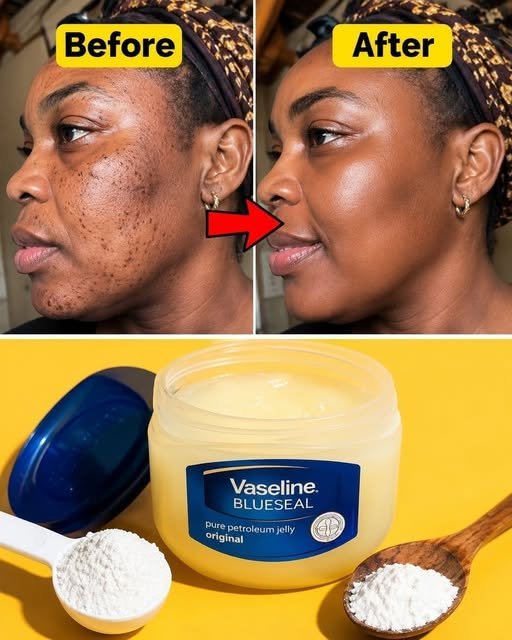
The Petroleum Jelly Method: Can You Really Remove Skin Tags Overnight?
The Lure of Overnight Remedies
When a small, fleshy skin tag appears on your neck, under your arm, or along your bra line, the immediate impulse is simple: make it disappear before tomorrow morning. Search the internet for DIY solutions, and you will find a dizzying array of home remedies promising miracle overnight removals using apple cider vinegar, tea tree oil, or dental floss ligation.
Among these home treatments, petroleum jelly (commonly known by the brand name Vaseline) frequently gets cited as a soothing, magic-bullet cure. People often look for gentle, painless ways to deal with these harmless cutaneous growths without scheduling a trip to the dermatologist’s office or paying for professional cauterization.
The Reality Check: What Petroleum Jelly Can and Cannot Do
Before applying a thick layer of petroleum jelly to a skin tag and slapping a bandage over it before bed, it is vital to understand basic dermatological science.
-
The Science of Petroleum Jelly: Petroleum jelly is an occlusive ointment. It creates a dense, protective barrier over the skin that locks in moisture and prevents water loss. It is phenomenal for healing minor cuts, chapped lips, and chafed skin.
-
The Biology of Skin Tags: A skin tag (medically known as an acrochordon) is a small, benign pouch of collagen fibers and blood vessels wrapped in a thin layer of epidermis, anchored to the skin by a narrow stalk (peduncle).
Petroleum jelly cannot kill, dissolve, or cut off the blood supply to a skin tag. Slathering it on overnight will not make a skin tag fall off by morning. Because skin tags have their own internal blood circulation running through that stalk, topical ointments sitting on the surface cannot penetrate deep enough to destroy the tissue.
Where Petroleum Jelly Does Help in Skin Tag Care
While petroleum jelly will not magically melt a skin tag away overnight, it plays a strategic supporting role in home skin management and friction reduction:
-
Preventing Chafing: Skin tags frequently develop in high-friction areas where skin rubs against clothing or jewelry. Applying a thin film of petroleum jelly to the area reduces daily mechanical friction, preventing existing tags from becoming inflamed, sore, or irritated.
-
Post-Removal Healing: If you have a skin tag professionally removed by a doctor via cryotherapy (freezing), shaving, or snip excision, petroleum jelly is frequently recommended during the aftercare phase. It keeps the tiny healing wound moist, prevents scab-cracking, and minimizes scarring.
Safe, Natural At-Home Alternatives (and Why Caution is Required)
If you are determined to remove a skin tag at home without professional intervention, people often turn to alternative methods, though dermatologists issue strong warnings about them:
-
Ligation (Thread or Dental Floss): Tying a piece of sterilized thread tightly around the base of the skin tag to cut off its blood supply. Over several days, the tissue turns black and falls off.
-
Topical Acidity (Apple Cider Vinegar): Applying acidic liquids to chemically burn the tissue until it drops off.
The Hidden Dangers of DIY Removal
Attempting to remove skin tags at home carries significant risks that are rarely discussed in viral tutorials:
-
Severe Infection: Tying off tissue or applying kitchen acids creates an open wound on the skin, leaving a direct pathway for bacteria like Staphylococcus to enter.
-
Bleeding and Scarring: Skin tags contain blood vessels. Snipping them with nail clippers or scissors—a dangerous method sometimes attempted at home—can cause profuse bleeding and leave permanent, unsightly scars or keloids.
-
Misdiagnosis: Not every small, flesh-colored bump is a benign skin tag. Undiagnosed skin cancers, moles, or warts can occasionally mimic skin tags. Treating a malignant lesion with home remedies delays essential medical intervention.
Professional Removal Options
When you want a skin tag gone safely, quickly, and cleanly, modern dermatology offers several virtually painless, inexpensive in-office procedures:
-
Cryotherapy: Freezing the tag off with liquid nitrogen, causing it to fall off naturally within a week.
-
Surgical Snip: Using sterile surgical scissors to clip the tag off in a fraction of a second, often without even needing local anesthesia.
-
Electrosurgery: Using high-frequency electrical current to burn and seal the base simultaneously, preventing bleeding.
While petroleum jelly is an incredible tool for soothing friction and protecting healing skin, it will not remove a skin tag overnight; for safe, permanent removal without the risk of scarring or infection, leave the procedure to a dermatologist.