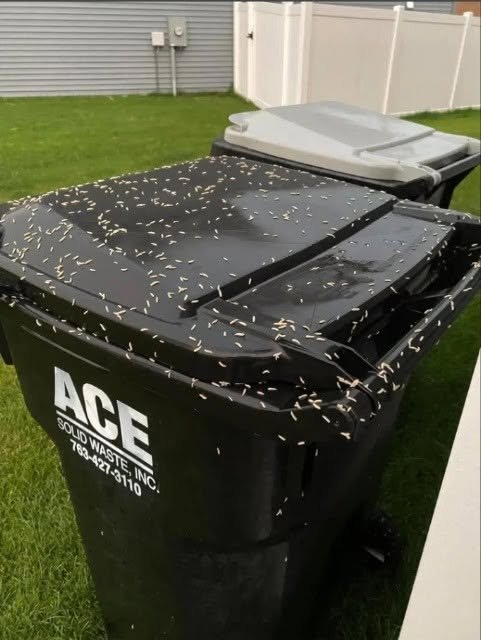
How to Stop Maggots From Taking Over Your Trash Bin: 9 Simple Ways That Actually Help
Stop maggots in your trash bin with 9 practical steps. Learn what attracts them, how to clean the bin, and how to prevent them from coming back.
Opening your trash bin and seeing tiny white maggots crawling through the garbage is one of those household surprises nobody wants.
The good news? Maggots don’t appear out of nowhere, and you don’t need harsh chemicals to keep them under control.
Maggots are fly larvae. If they’re living in your garbage, adult flies have usually found a food source and laid eggs there. Warm weather, moisture, meat scraps, food residue, and an uncovered or poorly cleaned bin can turn ordinary household trash into an ideal breeding site.
The fastest solution isn’t simply killing the maggots you can see.
It’s breaking the cycle:
flies → eggs → maggots → adult flies.
Once you understand that cycle, preventing another infestation becomes much easier.
Why Are There Maggots in Your Trash Bin?
Maggots are the larval stage of flies.
Adult flies are attracted to decomposing organic material, especially foods containing protein and moisture. They may lay eggs on or near suitable food sources, and those eggs can hatch surprisingly quickly when conditions are warm.
That’s why a trash bin can appear normal one day and suddenly seem full of larvae a short time later.
Common attractants include:
- Meat scraps
- Fish
- Poultry
- Pet food
- Dairy products
- Food-soaked packaging
- Overripe fruit
- Vegetable waste
- Dirty diapers
- Pet waste
- Liquids leaking from garbage bags
The combination of food + moisture + warmth is particularly favorable.
So if you’re seeing maggots repeatedly, the real question isn’t just how to kill them.
It’s:
“Why are flies able to access this bin in the first place?”
The Fastest Way to Deal With Maggots Right Now
If your bin already has maggots, start by removing the source.
Step 1: Take the garbage outside
If possible, move the entire bin outdoors before opening or handling it further.
Wear gloves and avoid touching the waste directly.
Step 2: Seal the garbage
Tie the garbage bag securely.
If the bag is leaking or badly damaged, place it inside a second heavy-duty bag before disposal.
Step 3: Remove remaining food residue
Inspect the bottom and sides of the bin.
Maggots can remain behind even after the main garbage has been removed because food liquids and decomposing material may be stuck to the plastic.
Step 4: Clean the bin
Wash the interior with hot water and an appropriate household detergent.
Scrub areas where residue has accumulated.
Step 5: Rinse and dry completely
Drying is important.
A damp bin with leftover food residue can become attractive to flies again.
1. Keep Meat and Fish Scraps Out of the Bin for as Long as Possible
If your household garbage sits for several days before collection, meat and fish can become a major problem.
Instead of placing these scraps loosely in the garbage:
- Seal them tightly in a bag.
- Use a leak-resistant container.
- Keep especially smelly scraps chilled or frozen until collection day when practical and permitted by your local waste rules.
Freezing food scraps can be particularly useful for households that have long periods between garbage collections.
It removes one of the biggest attractions before flies have a chance to reach it.
2. Double-Bag Wet and Smelly Waste
A single thin garbage bag can leak.
Once liquid reaches the bottom of the bin, it creates a food source that may remain there even after the bag is removed.
For particularly wet waste, use a sturdy bag or double-bag it.
This is especially useful for:
- Meat packaging
- Fish scraps
- Wet pet food
- Food-soaked paper
- Diapers
- Other moist organic waste
The goal isn’t to create more plastic waste unnecessarily.
It’s to prevent decomposing material from leaking into the bin.
3. Don’t Let Food Sit Uncovered
A garbage bag with an open top is essentially an invitation to flies.
Tie the bag once it contains food waste, especially during warm weather.
If your garbage bin is large and your household doesn’t fill it quickly, this matters even more.
A partially filled bag sitting open for several days gives flies easy access.
4. Keep the Trash Bin Lid Closed
This sounds obvious, but it’s one of the most effective prevention steps.
A properly closed lid creates a physical barrier between flies and the food waste inside.
Make sure:
- The lid fits properly.
- It isn’t cracked.
- The hinges work.
- The bin isn’t so full that the lid remains open.
- Food isn’t sticking to the outside.
If flies can easily enter and exit the container, you’ve removed one of the most important defenses against maggots.
5. Clean the Bottom of the Bin Regularly
This is the step many people skip.
They remove the garbage bag, see an empty bin, and assume the job is finished.
But the bottom may contain:
- Meat juices
- Grease
- Food particles
- Sugary liquids
- Pet-food residue
- Organic sludge
That material can continue attracting flies.
Give the bin a thorough wash periodically and whenever a bag leaks.
After cleaning, allow it to dry completely before adding a new bag.
6. Reduce Moisture Inside the Bin
Flies don’t need a swimming pool.
A damp environment combined with food waste can be enough.
One simple strategy is to separate wet food scraps from absorbent material when your local waste system allows it.
For example, placing appropriate absorbent paper around particularly wet garbage can help reduce free liquid inside the bag.
But don’t use materials that your local waste program prohibits.
The larger goal is simple:
Less moisture means a less attractive breeding environment.
7. Use Your Refrigerator or Freezer Strategically
This trick can make a major difference in warm climates.
If garbage collection is several days away, particularly smelly food scraps don’t necessarily have to sit at room temperature the entire time.
Some households temporarily freeze meat or fish scraps in a sealed bag or container and dispose of them shortly before collection.
This slows decomposition and makes the material much less attractive to flies.
Keep food waste separate from food intended for consumption, and use a leak-proof container or bag.
8. Consider a Sealed Food-Waste Container
If you produce a lot of kitchen scraps, an ordinary open trash bin may not be the best setup.
A tightly sealed countertop food-waste container can reduce access by flies.
Depending on where you live, composting may also be an option.
If you compost, follow your local composting guidelines carefully.
A poorly managed compost container can simply move the fly problem from the kitchen trash bin to another container.
9. Put the Trash Out at the Right Time
Timing matters.
If garbage is collected every week, don’t necessarily put a partially filled bag outside several days early.
Warm outdoor temperatures can accelerate decomposition and attract flies.
If your local collection schedule allows it, put the garbage out as close to pickup time as practical.
Also keep the outdoor bin away from places where flies are likely to gather, such as exposed food, pet waste, or spilled garbage.
What Kills Maggots?
Once you remove the garbage and clean the bin, remaining maggots can be dealt with during the cleaning process.
Hot soapy water can help physically remove and kill larvae while cleaning the container.
A household disinfectant may also be appropriate after cleaning, provided it is used according to the product label.
You don’t need to create a complicated chemical mixture.
In fact, that’s something you should avoid.
Never mix household cleaners together unless the product instructions explicitly say the combination is safe.
Mixing bleach with acids such as vinegar, for example, can produce dangerous chlorine gas.
Simple cleaning is usually enough.
Does Boiling Water Kill Maggots?
Very hot water can kill maggots through heat.
However, you should consider the material you’re pouring it into.
Some plastic bins can warp or become damaged by extremely hot or boiling water.
If you use hot water for cleaning, use a temperature that’s appropriate for the bin and follow the manufacturer’s recommendations.
You don’t need to turn the bin into a laboratory experiment.
The combination of removing the garbage, washing away residue, and drying the container is far more important for long-term control.
What About Salt?
Salt is often recommended online as a natural maggot killer.
While high concentrations of salt can be harmful to small organisms, sprinkling salt into a dirty garbage bin isn’t a reliable prevention strategy.
It doesn’t remove the decomposing food that attracted the flies in the first place.
If you use salt but leave a leaking bag of meat scraps at the bottom of the bin, you’ve solved the wrong problem.
What About Vinegar?
Vinegar is sometimes promoted as a maggot treatment or fly repellent.
It may have some household-cleaning uses, but it’s not a substitute for removing the food source.
If you use vinegar as part of cleaning, never mix it with chlorine bleach or other incompatible cleaners.
Again, the simplest strategy usually wins:
Remove food residue. Clean the bin. Dry it. Keep it closed.
What About Bleach?
Bleach can disinfect surfaces when used correctly, but it isn’t necessary for every trash-bin cleanup.
If you use a bleach product, follow its label carefully and provide appropriate ventilation.
Never mix bleach with vinegar, ammonia, acids, or other cleaning chemicals.
And remember:
Bleach doesn’t replace physical cleaning.
If a layer of decomposing food is stuck to the bottom of the bin, disinfecting the surface without removing the organic material first isn’t the same as properly cleaning it.
Why Warm Weather Makes the Problem Worse
Have you ever noticed that maggots seem to become a bigger problem during summer?
There’s a reason.
Many insects become more active as temperatures rise.
Food decomposes faster, odors become stronger, and flies can reproduce more quickly under favorable conditions.
That means a garbage routine that works during cool weather may fail during a hot spell.
During warmer months:
- Take food waste out more frequently.
- Keep meat scraps sealed.
- Clean leaking bins promptly.
- Keep lids closed.
- Avoid leaving garbage exposed outdoors.
- Consider freezing particularly troublesome scraps until collection day.
Can Maggots Come From a Clean Trash Bag?
Yes.
A bag can look clean from the outside while containing decomposing food inside.
Flies don’t need a large amount of waste.
A small amount of protein-rich food can be enough to attract them.
And if a bag has a small tear, flies may gain access without you noticing.
That’s why leak-resistant bags and proper sealing matter.
What If Maggots Keep Coming Back?
Recurring infestations are a clue.
If you’ve cleaned the bin thoroughly and maggots continue appearing, look beyond the obvious garbage.
Check:
Around the bin
Is there spilled food underneath it?
Inside the lid
Is residue stuck around the rim?
Nearby
Is there pet waste, a dead animal, spoiled food, or another organic source nearby?
Inside the kitchen
Could a leaking garbage bag be leaving residue on the floor or cabinet?
Around outdoor bins
Could another garbage container be attracting flies?
Sometimes the visible maggots aren’t coming from the place you think they are.
The Outdoor Bin Needs Attention Too
An outdoor garbage bin can become a breeding site even if the kitchen trash is managed properly.
Food residue can remain around:
- The lid
- Handles
- Wheels
- Bottom edges
- Cracks
- Interior walls
Clean the outdoor bin periodically, especially after a bag leaks.
Keep the lid closed between uses.
If possible, place it in a shaded area that isn’t directly beside doors or windows.
A Simple Maggot-Proof Trash Routine
If you want a routine that’s easy to remember, use this:
Every day
Seal food waste rather than leaving it exposed.
Every time you throw out wet food
Make sure the bag won’t leak.
Before warm-weather collection days
Remove especially attractive food waste as soon as practical.
After a leak
Clean the bin immediately.
Every few weeks or as needed
Wash and dry the bin thoroughly.
Every garbage day
Check the bottom and lid before putting in a fresh bag.
This routine is more useful than constantly searching for a new “maggot-killing” trick.
Common Mistakes That Invite Maggots
Mistake 1: Leaving meat scraps loose
Fix: Seal them securely.
Mistake 2: Letting the trash sit for too long
Fix: Reduce the time food waste remains at room temperature.
Mistake 3: Ignoring leaks
Fix: Clean the bin immediately after a leak.
Mistake 4: Leaving the lid open
Fix: Keep it securely closed.
Mistake 5: Cleaning only the inside
Fix: Check the lid, rim, handles, and area around the bin too.
Mistake 6: Using stronger chemicals instead of removing the source
Fix: Remove food residue first. Cleaning is about eliminating the breeding environment, not simply killing what you can see.
Should You Use Insecticides in Your Trash Bin?
Usually, prevention and cleaning should be your first steps.
A garbage bin isn’t a living space, but spraying pesticides indiscriminately around household waste can create unnecessary exposure.
If flies are becoming a persistent household problem despite sanitation and waste-management improvements, consider identifying the source or consulting a licensed pest-control professional.
Don’t spray chemicals onto food waste unless the product label specifically permits that use.
When a Maggot Problem May Indicate Something Else
Most maggots in garbage are simply fly larvae taking advantage of decomposing organic material.
But if you repeatedly find large numbers of flies or larvae despite having clean garbage containers, investigate further.
A persistent fly problem can indicate:
- Hidden food waste
- Animal remains
- Pet-waste accumulation
- A plumbing or drainage issue
- Another source of organic decay
If you’re seeing unusual insect activity throughout the home rather than just around the garbage, professional pest identification may be worthwhile.
Frequently Asked Questions
Why do maggots suddenly appear in my trash can?
Maggots are fly larvae. Adult flies may lay eggs on decomposing food or other organic waste. Warm temperatures, moisture, and exposed food can allow the eggs to hatch quickly.
What kills maggots in a garbage bin?
Removing the infested garbage and thoroughly washing the bin with hot soapy water can physically remove and kill many larvae. Follow any disinfectant’s label if you choose to use one.
How do I prevent maggots from coming back?
Keep food waste sealed, reduce moisture, clean leaks promptly, keep the lid closed, and remove particularly attractive food scraps before they sit for several days in warm weather.
Can maggots live in an empty trash can?
They need a food source to develop. If larvae remain after the garbage has been removed, there is likely organic residue somewhere in or around the bin.
Does salt kill maggots?
Salt can harm small organisms under certain conditions, but it isn’t a reliable solution to a garbage-bin infestation. Removing decomposing waste and cleaning the container is more effective.
Does vinegar kill maggots?
Vinegar isn’t a dependable substitute for physical cleaning and removal of the food source. If you use vinegar for cleaning, never mix it with bleach.
Will bleach kill maggots?
Bleach can kill organisms on contact under certain conditions, but it isn’t necessary for most trash-bin cleanups. Physical removal, washing, and drying are more important. Never mix bleach with other household cleaners.
Can maggots come through a garbage bag?
Flies may gain access through openings or small tears in a bag, particularly when food waste is present. Using sturdy bags and sealing them properly can reduce the risk.
Why are there more maggots in summer?
Warm conditions can increase fly activity and speed up the decomposition of organic waste, creating more favorable conditions for fly reproduction.
Should I throw away a trash bin with maggots?
Usually not. A plastic trash bin can generally be cleaned and reused. Replace it only if it is badly cracked, impossible to clean, or repeatedly develops problems because of structural damage.
Your Maggot-Proof Trash Checklist
Do
- ☐ Keep the lid tightly closed
- ☐ Seal food waste securely
- ☐ Double-bag particularly wet garbage when appropriate
- ☐ Remove meat and fish scraps promptly
- ☐ Consider freezing troublesome food scraps until collection day
- ☐ Clean leaks immediately
- ☐ Wash the bin regularly
- ☐ Let the bin dry completely
- ☐ Keep outdoor garbage areas clean
Avoid
- ☐ Leaving food scraps exposed
- ☐ Allowing liquid to pool in the bottom of the bin
- ☐ Leaving garbage bags open
- ☐ Overfilling the container
- ☐ Mixing bleach with vinegar or other cleaners
- ☐ Relying on salt or chemicals while leaving the food source behind
- ☐ Ignoring recurring fly activity
Maggots in a trash bin are unpleasant, but they’re also a useful clue.
They tell you that flies have found food, moisture, and access.
The most effective solution isn’t a mysterious chemical trick. It’s breaking that cycle.
Remove the infested waste, clean the bin thoroughly, dry it completely, seal food scraps, and keep the lid closed. During hot weather, pay extra attention to meat, fish, pet food, and other moist organic waste.
If maggots keep returning after you’ve cleaned and managed your garbage properly, look for another source nearby rather than simply using stronger chemicals.
Don’t just kill the maggots you can see. Remove what attracted the flies, eliminate leftover food residue, and make your trash bin a place flies can’t easily access or reproduce.
Household-safety note: Always follow the label directions for cleaning and disinfecting products, provide ventilation when required, and never mix bleach with vinegar, ammonia, acids, or other incompatible chemicals.