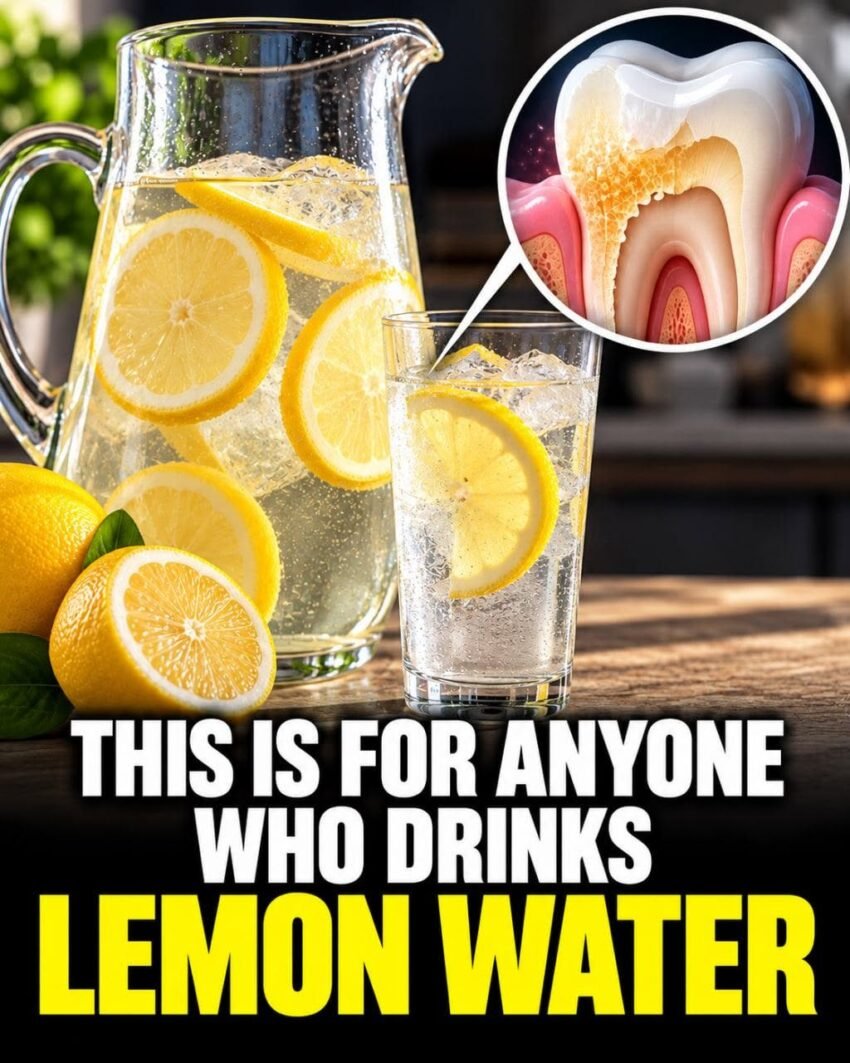
The Hidden Cost of Lemon Water: The One Detail About Your Teeth You Need to Know Before It’s Too Late
If your morning routine kicks off with a tall, refreshing glass of warm water squeezed with fresh lemon juice, you are in good company. Health gurus, wellness influencers, and morning talk shows have touted lemon water as the ultimate elixir for years.
We are told it detoxifies the system, fires up digestion, provides a quick hit of vitamin C, and wakes up a sluggish metabolism. You squeeze the bright yellow fruit, chug it down, and feel instantly virtuous, ready to conquer the day.
It is enough to make you feel like you have unlocked the ultimate health cheat code.
Here is the truth nobody in the wellness marketing ecosystem wants to tell you: while lemon water offers wonderful systemic and digestive benefits, its chemical composition is a silent saboteur to the most durable structure in your body.
By the time you finish reading this comprehensive guide, you will understand the exact dental hazard hiding in your morning mug, the science of acid erosion, and how to enjoy your favorite citrus drink without destroying your enamel.
The Acid Reality: What Lemon Juice Does to Tooth Enamel
To understand why your daily morning habit could be silently damaging your smile, you have to look at the pH scale and the hard science of tooth enamel.
Enamel is the outermost layer of your teeth. It is the hardest tissue in the human body—even tougher than bone. Composed primarily of hydroxyapatite crystals, enamel acts as a protective white armor shielding the sensitive, yellowish dentin and nerve endings underneath.
However, enamel has one major kryptonite: acid.
-
The pH Danger Zone: The pH scale ranges from 0 to 14, with 7 being neutral. Pure water sits right at 7. Lemon juice, on the other hand, is intensely acidic, boasting a pH level typically between 2 and 3.
-
De-mineralization: When you flood your mouth with lemon water, the high concentration of citric acid drastically lowers the pH of your oral cavity. When your oral pH drops below 5.5, your enamel begins to demineralize. The acid literally softens the mineral crystals, temporarily melting the outer shell of your teeth.
Why It Matters: The Permanent Nature of Enamel Loss
In contemporary society, we often assume that if something is “natural,” it must be entirely harmless. We think of lemons as wholesome foods, so we assume our bodies—and our teeth—can handle them without consequence.
The Consequences of Ignoring Enamel Erosion
Unlike skin, bones, or hair, tooth enamel cannot regenerate. Once it is worn away or dissolved, it is gone forever.
-
Extreme Tooth Sensitivity: As the protective enamel thins, the underlying dentin—which contains microscopic tubes leading directly to the nerve—becomes exposed. Hot coffee, ice-cold water, and sweet treats begin to trigger sharp, shooting pain.
-
Yellowing and Discoloration: As the white enamel layer wears away, the naturally yellow dentin underneath shows through, making your teeth look dingy no matter how much you brush.
-
Structural Vulnerability: Thinned, acid-weakened teeth are vastly more susceptible to chipping, cracking, and severe decay.
Deep-Dive Main Content Sections: The Hidden Mistakes
You don’t have to give up your favorite morning drink, but you do have to change how you consume it. Here are the most common ways people accidentally ruin their teeth with lemon water.
1. The “Sipping All Morning” Trap
Many people make a large tumbler of lemon water and sip on it slowly throughout the entire morning at their desk. This is a dentist’s worst nightmare.
-
The Danger: Every single sip bathes your teeth in acid, resetting the clock and keeping your oral pH below the critical demineralization threshold for hours. Your saliva never gets a chance to neutralize the acid and remineralize your teeth.
2. Brushing Immediately After Drinking
It seems logical: you finish your acidic drink and immediately rush to the bathroom to brush away the residue.
-
The Danger: Remember, citric acid temporarily softens your enamel into a clay-like state. If you scrub your teeth with a stiff toothbrush right after drinking lemon water, you are literally abrasive-scrubbing your softened enamel away. Dentists call this toothbrush attrition.
3. Swishing It Around Your Mouth
Some people swish the liquid around or hold it in their mouth to “taste the freshness,” maximizing the surface area contact between the acid and every single tooth.
Step-by-Step Actionable Guide: How to Drink Lemon Water Safely
You can protect your oral health while still reaping the benefits of your morning lemon routine by following these four golden rules.
Step 1: Use a Reusable Straw
The simplest and most effective defense mechanism is bypassing your teeth entirely. Use a stainless steel, glass, or silicone straw placed toward the back of your mouth. This drastically minimizes the contact between the acidic liquid and your front and side teeth.
Step 2: Dilute and Down It Quickly
Never sip lemon water slowly over an hour. Drink it relatively quickly (within a few minutes), and heavily dilute the fresh juice with plenty of plain water to lower the acid concentration.
Step 3: Rinse with Plain Water Immediately After
As soon as you finish your drink, take a sip of plain water, swish it around your mouth to neutralize and wash away residual acid, and spit it out. You can also chew a piece of xylitol gum to stimulate saliva production, which naturally buffers and remineralizes acids.
Step 4: Wait 30 Minutes Before Brushing
Give your saliva time to naturally restore the minerals to your softened enamel. Wait at least 30 minutes after finishing your lemon water before you brush your teeth.
Real-World Scenarios
To see how this plays out in daily life, let’s examine two common lifestyle profiles.
Scenario A: The Unaware Wellness Enthusiast in Los Angeles
-
The Profile: 34 years old, drinks a concentrated mug of hot lemon water every morning and immediately brushes her teeth vigorously before heading to work.
-
The Challenge: Over two years, notices her teeth becoming increasingly sensitive to cold water and her smile looking dull and yellowed.
-
The Transformation: Her dentist points out signs of acid erosion. By switching to a straw, diluting her drink, and waiting 30 minutes to brush, she halts further damage and saves her enamel.
Scenario B: The Protective Biohacker in Chicago
-
The Profile: 42 years old, loves morning citrus water for digestion but knows the dental risks.
-
The Challenge: Wanting the health perks without sacrificing dental integrity.
-
The Transformation: Drinks her lemon water through a glass straw in under five minutes, rinses immediately with plain water, and waits an hour before her morning brush. Her enamel remains completely intact and sensitivity-free.
Comparison Table: How You Drink vs. Dental Impact
| Habit / Practice | Dangerous Approach (High Enamel Risk) | Safe Approach (Enamel Protection) |
| Delivery Method | Sipping directly from a glass, letting liquid wash over teeth. | Drinking through a straw positioned toward the back of the mouth. |
| Consumption Speed | Sipping slowly over 1 to 2 hours while working. | Consuming quickly in a matter of minutes. |
| Post-Drink Routine | Brushing teeth immediately while enamel is acid-softened. | Rinsing with plain water and waiting 30 minutes before brushing. |
| Concentration | Strong, concentrated lemon juice with minimal water. | Heavily diluted lemon juice in a large volume of water. |
Pros & Honest Cons of Lemon Water Habits
The Pros
-
Digestive Support: Stimulates hydrochloric acid production and digestive enzymes in the stomach.
-
Hydration Boost: Flavors plain water, making it easier to hit daily hydration goals.
-
Antioxidant Rich: Delivers vitamin C and plant compounds that support overall vitality.
The Cons
-
Enamel Erosion Risk: High acidity threatens the permanent protective shell of your teeth.
-
Sensitivity Development: Can cause lingering thermal sensitivity if consumed carelessly over years.
Common Mistakes and How to Fix Them
-
Mistake 1: Brushing teeth right after drinking citrus.
-
The Fix: Always wait 30 to 60 minutes, or brush before you drink your lemon water in the morning.
-
-
Mistake 2: Using very hot water with fresh lemons.
-
The Fix: Boiling water can degrade delicate vitamin C compounds and make the acidic interaction feel harsher. Use lukewarm or room-temperature water instead.
-
-
Mistake 3: Thinking bottled lemon juice is safer.
-
The Fix: Commercial bottled lemon juices are often just as acidic (and sometimes contain added citric acid preservatives). Treat all lemon liquids with the same dental caution.
-
Expert-Level Insights: Insider Knowledge
-
The Salivary Buffer System: Your saliva is nature’s ultimate defense weapon against acid erosion. It contains bicarbonate and minerals that actively neutralize acids and remineralize teeth. However, dry mouth (often caused by mouth breathing, medications, or sleep) robs your mouth of this defense, making lemon water twice as damaging if you drink it first thing in the morning when saliva flow is naturally low.
-
The Toothpaste Factor: Using a remineralizing toothpaste containing hydroxyapatite or high fluoride after your enamel has had time to reharden can help reinforce your teeth against future acid challenges.
Frequently Asked Questions
1. Does lemon water ruin your teeth completely? Not if you consume it mindfully! While the acid is strong enough to erode enamel over time, simple adjustments like using a straw, rinsing with water, and waiting to brush eliminate most of the risk.
2. Is it better to brush my teeth before drinking lemon water? Yes! Brushing before your morning lemon water cleans away overnight plaque, and since you rinse or wait after drinking, you avoid scrubbing acid-softened enamel.
3. Does adding lemon to cold water reduce the acidity? No. Temperature does not change the chemical pH or acid concentration of lemon juice. Cold or warm, the citric acid remains potent.
4. Can lemon water cause cavities? Lemon water doesn’t contain sugar (unless you add honey or sweetener), so it doesn’t feed cavity-causing bacteria directly. However, by thinning and eroding your enamel, it makes your teeth far more vulnerable to cavities and decay down the road.
5. Are other citrus fruits just as bad for teeth? Yes. Limes, grapefruits, and oranges are also highly acidic and carry similar risks of enamel erosion if left sitting on your teeth. Apple cider vinegar drinks share this exact same hazard.
6. What should I do if my teeth already feel sensitive from lemon water? Switch immediately to using a straw, incorporate a sensitivity-relief or remineralizing toothpaste, and consult your dentist to check for early signs of enamel wear.
7. Does lemon water whiten teeth? Some people believe the acid bleaches stains, but what is actually happening is that the acid is stripping away surface layers of the tooth—which can temporarily look bright before exposing the yellow dentin underneath and causing permanent damage.
8. Can I use baking soda to neutralize the acid? Rinsing with baking soda dissolved in water can help neutralize mouth acid, but be careful not to brush with baking soda immediately after drinking, as its abrasiveness combined with softened enamel can cause severe wear.
Action Checklist
What to Do:
-
Use a reusable straw (glass, metal, or silicone) every time you drink lemon water.
-
Heavily dilute your lemon juice in a large glass of water.
-
Rinse your mouth out with plain water immediately after finishing your drink.
-
Wait at least 30 minutes before brushing your teeth.
-
Consider brushing your teeth before consuming your morning citrus.
What to Avoid:
-
Do not sip lemon water slowly over an extended period.
-
Avoid swishing the acidic liquid around your mouth or holding it against your teeth.
-
Never brush your teeth immediately after consuming an acidic beverage.
-
Avoid using abrasive whitening toothpastes if you already have signs of enamel thinning.
Conclusion
Your morning lemon water habit is a fantastic tool for hydration and digestion, but it requires a little bit of dental mindfulness. By respecting the power of citric acid, protecting your teeth with a straw, and giving your saliva time to do its job, you can enjoy your morning ritual without compromising your sparkling smile.
Don’t let your healthy morning routine silently ruin your smile. Use a straw, dilute your drink, and wait 30 minutes before brushing to keep your enamel safe for a lifetime.