Navigating Moderna COVID-19 Vaccine Skin Reactions: What You Need to Know
Noticed a skin rash after your Moderna vaccine? Discover why “Moderna arm” happens, what symptoms are normal, and when to seek medical care.
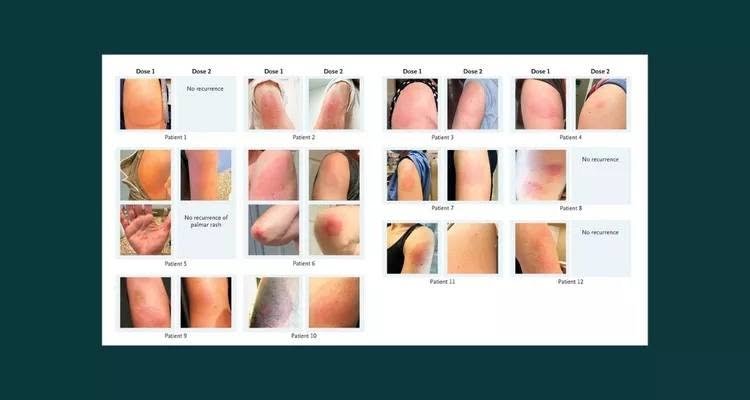
Rolling up your sleeve for a vaccination is a routine preventative step, but watching your skin react days or even a week later can trigger an unexpected wave of anxiety. For millions of people who received the Moderna COVID-19 mRNA vaccine, a distinct localized phenomenon frequently made headlines: a red, itchy, sometimes swollen patch on the arm affectionately dubbed “Moderna arm.”
When a rash, localized swelling, or hives appear after an injection, the immediate human reaction is often panic. Is this an allergic reaction? Is the vaccine harming my immune system? Should I skip my booster?
Dermatologists and immunologists want you to take a collective breath. Skin reactions—while startling to look at—are frequently just a visible sign of your immune system throwing an energetic, localized block party. Understanding the biology behind these reactions, knowing how to distinguish normal immune responses from true emergencies, and learning how to manage the discomfort can save you unnecessary worry.
The Biology Behind “Moderna Arm”
To understand why your skin reacts weeks after the needle leaves your arm, you have to look at how mRNA vaccines communicate with your body. The Moderna vaccine delivers instructions via lipid nanoparticles, teaching your cells to temporarily manufacture a harmless piece of the viral spike protein.
In clinical dermatology, what people call “Moderna arm” is formally classified as a delayed-type hypersensitivity reaction (or cutaneous hypersensitivity). Instead of presenting as an immediate allergic reaction within minutes of the injection, this immune response takes time to ramp up. T-cells—specialized white blood cells—migrate to the injection site days later to clear out the remaining vaccine components.
This cellular influx causes localized vasodilation, swelling, redness, and itching. It is essentially a robust, enthusiastic memo from your immune system saying, “Message received loud and clear!” Data published by the American Academy of Dermatology highlights that these reactions are harmless, self-limiting, and typically resolve entirely on their own within a few days to a week.
Normal Post-Vaccine Skin Reactions vs. Red Flags
Not all skin reactions are created equal. Knowing the difference between a routine localized immune response and an urgent allergic reaction is essential for your peace of mind.
-
“Moderna Arm” (Delayed Localized Reaction):
-
When it appears: Usually develops 4 to 11 days after receiving the shot.
-
What it looks like: A well-defined, pink, red, or sometimes warm-to-the-touch welt or rash right around the injection site. It may span a few inches and can occasionally itch intensely.
-
The verdict: Completely normal and benign. It does not mean you shouldn’t get subsequent doses, though your doctor may suggest injecting future boosters into the opposite arm.
-
-
Immediate Allergic Reactions (Anaphylaxis or Hives):
-
When it appears: Within 15 to 30 minutes of receiving the injection.
-
What it looks like: Widespread hives, swelling of the lips, tongue, or throat, wheezing, or difficulty breathing.
-
The verdict: A medical emergency requiring immediate administration of epinephrine and emergency care. (This is why vaccination sites mandate a brief post-shot observation window).
-
-
Mild General Injection Site Soreness:
-
When it appears: Within 24 hours of the injection.
-
What it looks like: Muscle aching, tenderness, and slight redness directly where the needle entered, fading within 48 hours.
-
Step-by-Actionable Guide: Managing Skin Irritation at Home
If you experience a delayed localized rash or intense itching days after your vaccination, you can manage the discomfort safely at home using straightforward comfort measures.
-
Apply Cool Compresses: Wrap an ice pack in a clean cloth or run a washcloth under cold water, applying it to the affected area for 15 minutes at a time to calm inflammation and numb the itch.
-
Use Over-the-Counter Topical Relief: If itching is driving you crazy, a gentle over-the-counter 1% hydrocortisone cream or calamine lotion applied topically can soothe the skin surface.
-
Consider Oral Antihistamines: Non-drowsy over-the-counter antihistamines (like cetirizine or loratadine) can help dampen the body’s local histamine response and reduce persistent itching.
-
Keep the Area Clean and Untouched: Avoid scratching, picking, or scrubbing the rash, as breaking the skin barrier can introduce secondary bacterial infections.
-
Document the Timeline: Take a quick photo of the rash on your phone and note the date it appeared. This visual timeline can be immensely reassuring if you decide to consult a telehealth provider or doctor.
Comparing Localized Delayed Reactions vs. Anaphylaxis
| Feature / Metric | Delayed Hypersensitivity (“Moderna Arm”) | Acute Anaphylaxis (Severe Allergy) |
| Onset Timing | 4 to 11 days post-injection | 5 to 30 minutes post-injection |
| Location | Confined primarily to the injection site on the arm | Systemic (face, lips, throat, chest, entire body) |
| Associated Symptoms | Localized redness, swelling, warmth, and itching | Difficulty breathing, throat tightening, widespread hives, dizziness |
| Medical Urgency | Low; resolves on its own or with basic home care | Critical medical emergency requiring immediate 911 response |
| Future Doses | Safe to receive future vaccinations (often in the opposite arm) | Contraindicated for future doses of the specific vaccine platform |
Pros and Cons of Monitoring vs. Medical Intervention
Pros of Monitoring at Home:
-
Prevents unnecessary panic over a normal, self-limiting biological process.
-
Saves time and resources by avoiding urgent care visits for harmless skin welts.
Cons of Ignoring Escalation:
-
Can occasionally lead to misdiagnosing a secondary bacterial skin infection (cellulitis) as a vaccine reaction if redness spreads uncontrollably and worsens after day five.
Common Mistakes and How to Fix Them
-
Mistake: Skipping your second dose or future boosters out of fear when you develop a delayed rash.
-
The Fix: “Moderna arm” is not a true allergy. Public health agencies and dermatologists confirm that you can safely receive future doses, though doctors often recommend using the alternate arm.
-
-
Mistake: Slathering harsh chemical ointments or antibiotic creams on a sterile immune rash.
-
The Fix: Stick to gentle, fragrance-free moisturizers, cool compresses, or mild hydrocortisone cream. The rash is driven by your immune system, not an external bacterial infection.
-
-
Mistake: Assuming every rash near the injection site is harmless without tracking its progression.
-
The Fix: If redness continues to expand rapidly past the one-week mark, or if red streaks begin traveling up your arm accompanied by a fever, consult a physician to rule out cellulitis.
-
Expert Insights on Immune Variability
Immunologists emphasize that human immune systems are as unique as fingerprints. Two people can receive the exact same vaccine batch, yet one experiences zero side effects while the other develops a dramatic localized rash or a temporary fever. These variations do not indicate that a vaccine is “better” or “worse” at protecting you; they simply reflect individual cellular reactivity.
Knowing that your body is capable of mounting a vigorous, visible defense can offer peace of mind during the days following immunization.
Frequently Asked Questions
Is “Moderna arm” an allergic reaction?
Technically, it is classified as a delayed-type hypersensitivity reaction mediated by T-cells, rather than a traditional immediate IgE-mediated allergic reaction. It is localized, harmless, and self-resolving.
Can I get a booster shot if I had a bad skin reaction to the first dose?
Yes. Major health organizations state that a delayed localized skin reaction is not a contraindication for receiving subsequent vaccine doses.
How long does “Moderna arm” typically last?
Most delayed localized skin reactions peak within a few days of appearing and resolve entirely within 3 to 7 days without medical treatment.
Should I report my skin reaction anywhere?
You can report any post-vaccination symptoms to the CDC-managed Vaccine Adverse Event Reporting System (VAERS), which helps health authorities monitor ongoing safety trends.
Why did the rash appear on day seven when the shot was given last week?
Delayed hypersensitivity reactions take several days for T-cells to multiply, migrate to the skin, and accumulate in sufficient numbers to produce visible redness and swelling.
Can I use ice on the rash?
Yes, applying a cool, clean compress or ice pack wrapped in a cloth is one of the best ways to reduce localized warmth and swelling safely.
Does this skin reaction happen with Pfizer or other vaccines as well?
While most widely documented with the Moderna mRNA vaccine, similar delayed localized skin reactions have occasionally been reported following other vaccine types.
When should I worry about a skin rash after a shot?
Worry only if the reaction involves systemic symptoms like trouble breathing, throat swelling, widespread hives occurring within minutes, or a local rash that continues worsening significantly after a week.
Action Checklist
-
What to do:
-
Take a photo of the rash and note the date it appeared for your records.
-
Apply cool compresses and use over-the-counter hydrocortisone if itching is severe.
-
Consult a healthcare provider if redness expands aggressively past one week.
-
-
What to avoid:
-
Panicking over a localized rash that appears days after your injection.
-
Skipping future health vaccinations out of fear of a harmless delayed skin response.
-
Scratching or irritating the skin barrier around the injection site.
-
Encountering unexpected physical changes after a medical intervention can feel alarming, but understanding the science turns fear into confidence. “Moderna arm” is simply your body’s cellular defense network working overtime to build protection.
A delayed skin rash or welt following a Moderna vaccine is a harmless, temporary immune response that resolves on its own and should not prevent you from maintaining your health goals.