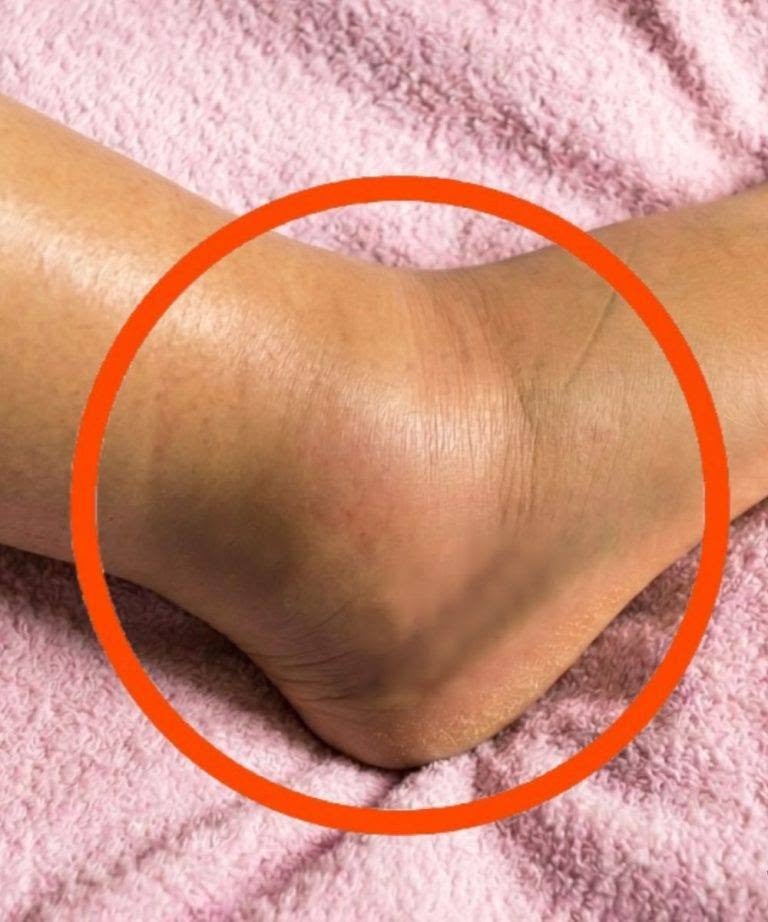
Swollen Legs: When Edema Becomes a Critical Warning Sign You Can’t Ignore
There is a dangerous tendency when dealing with minor physical discomforts to brush them off as the inevitable toll of aging or a busy lifestyle. You stand on your feet for ten hours at a retail job, or you sit through a grueling cross-country flight, and by evening, your ankles spill over the tops of your shoes. You figure it’s just water retention, prop your feet up on a couple of pillows, and expect it to vanish by morning.
Sometimes, it does. But other times, swollen legs are not merely a nuisance—they are an urgent distress flare sent by your body.
While fluid retention can stem from something as benign as eating too much sodium or standing too long, persistent, unexplained leg swelling (medical professionals call it edema) can serve as an early clinical indicator of severe, systemic medical conditions. Let’s examine what your swollen legs might be trying to tell you, when to panic, and why ignoring this symptom can cost you your life.
Understanding Why Legs Swell
Edema happens when fluid leaks out of your blood vessels or lymphatic channels and accumulates in the surrounding body tissues. Because of gravity, that excess fluid naturally pools in your lowest extremities—your calves, ankles, and feet.
When your circulatory, renal, or hepatic systems begin to fail or experience acute distress, they lose the delicate pressure balance required to keep fluids circulating smoothly inside your veins. The result is visible, tangible swelling that leaves an indent when you press your thumb into the skin (known as pitting edema).
Why Recognizing Leg Swelling Matters Immediately
In the American healthcare landscape, delayed diagnoses of cardiovascular and renal diseases remain a leading cause of preventable emergency hospitalizations. People often wait weeks, hoping swollen ankles will resolve on their own, while underlying organ dysfunction accelerates unchecked.
Ignoring chronic leg swelling can lead to catastrophic health consequences:
-
Pulmonary Embolism: If the swelling is caused by a blood clot (Deep Vein Thrombosis) in the leg, a piece of that clot can break free, travel to the lungs, and become fatal within minutes.
-
Congestive Heart Failure Progression: Ignoring bilateral leg swelling means missing the early windows of heart pump failure, leading to systemic fluid overload.
-
Tissue Breakdown: Severe, chronic edema stretches the skin to its absolute limit, causing skin breakdown, chronic ulcers, and dangerous bacterial infections like cellulitis.
The Major Culprits Behind Swollen Legs
While there are numerous potential causes for edema, certain underlying conditions require immediate medical evaluation.
-
1. Deep Vein Thrombosis (DVT): If the swelling is accompanied by pain, redness, or warmth in only one leg, it often points to a blood clot blocking a major vein. This is a medical emergency.
-
2. Congestive Heart Failure (CHF): When the heart’s pumping efficiency drops, blood backs up in the veins, forcing fluid out into the tissues. This typically causes swelling in both legs and feet, often worsening by the end of the day.
-
3. Chronic Venous Insufficiency (CVI): The tiny one-way valves inside your leg veins weaken, allowing blood to flow backward and pool in your lower extremities.
-
4. Kidney Disease (Nephrotic Syndrome or Failure): Your kidneys act as the body’s filtration system. When they fail to regulate sodium and fluid balance, fluid accumulates throughout the body, prominently showing up in the legs and around the eyes.
-
5. Liver Cirrhosis: A compromised liver stops producing sufficient albumin (a blood protein that keeps fluid inside blood vessels), causing fluid to leak into the abdomen and lower limbs.
-
6. Medication Side Effects: Certain high blood pressure medications (calcium channel blockers), NSAIDs, steroid therapies, and hormone replacements routinely cause fluid retention as a side effect.
-
7. Lymphatic System Obstruction: Blockages in the lymph nodes—often caused by trauma, surgery, or cancer treatments—prevent proper fluid drainage, resulting in lymphedema.
Step-by-Step Actionable Guide: What to Do If Your Legs Are Swollen
-
Perform the Pitting Test: Press your thumb firmly against your shin or ankle for five seconds. If an indentation remains visible after you lift your thumb, you are experiencing significant fluid edema.
-
Check for Symmetry: Determine whether the swelling is in one leg (suggesting a localized issue like a clot or injury) or both legs (suggesting a systemic issue like heart, kidney, or liver strain).
-
Elevate and Monitor: Lie down and prop your legs above the level of your heart for 30 minutes. If the swelling completely disappears, it may be lifestyle-related. If it persists or worsens, escalate your response.
-
Seek Immediate Medical Evaluation: Schedule an appointment with your primary care physician or visit an urgent care center if the swelling is sudden, painful, or accompanied by shortness of breath.
Lifestyle Edema vs. Systemic Medical Edema
| Feature | Benign / Lifestyle Edema | Systemic Medical Edema (Heart/Kidney/DVT) |
| Onset | Gradual, tied to standing, travel, or high-salt meals | Sudden, persistent, or progressively worsening |
| Symmetry | Usually affects both legs equally | Can be strictly unilateral (DVT) or bilateral |
| Associated Symptoms | Mild heaviness or fatigue | Shortness of breath, chest pain, rapid weight gain, pain |
| Response to Elevation | Resolves quickly after resting with legs elevated | Fails to resolve significantly with elevation |
Common Mistakes and How to Fix Them
-
Mistake: Assuming swelling is just “old age” or hot weather water retention without checking for other symptoms.
-
Fix: Track how frequently your legs swell and check for accompanying signs like fatigue, shortness of breath, or sudden weight gain.
-
-
Mistake: Taking over-the-counter diuretic pills without a doctor’s diagnosis.
-
Fix: Diuretics can dangerously strain your kidneys or disrupt electrolyte balance if used incorrectly. Always let a physician determine the root cause.
-
-
Mistake: Ignoring unilateral leg swelling because it doesn’t hurt very much.
-
Fix: A silent blood clot (DVT) can be painless until it breaks loose. Any sudden swelling in only one leg requires immediate medical imaging (ultrasound).
-
Expert-Level Insights and Insider Knowledge
Cardiologists emphasize that bilateral leg swelling is often the first visible symptom of subclinical heart failure. Long before a patient experiences crushing chest pain or severe breathlessness, the right side of the heart begins struggling to pump blood efficiently against systemic pressures. The resulting fluid backup reveals itself quietly at the lowest point of gravity: the ankles.
Furthermore, vascular surgeons note that chronic venous insufficiency is vastly under-treated. Left unchecked, pooled venous blood damages the surrounding skin micro-architecture, leading to irreversible discoloration, skin hardening (lipodermatosclerosis), and chronic ulcers that take months to heal.
Frequently Asked Questions
-
When is swollen legs a medical emergency?
Seek emergency care immediately if your leg swelling is accompanied by sudden shortness of breath, chest pain, dizziness, coughing up blood, or if the swelling is isolated to only one leg and is hot or painful.
-
Can sitting at a desk all day cause permanent leg swelling?
Prolonged sitting causes temporary dependent edema due to poor circulation, but it generally resolves overnight. However, chronic inactivity increases your risk of blood clots.
-
Why do pregnant women experience swollen legs?
Pregnancy increases total blood volume and places mechanical pressure on the large pelvic veins, slowing venous return from the lower extremities.
-
Does drinking water help reduce swollen legs?
Counterintuitively, yes. When you are dehydrated, your body holds onto water as a survival mechanism. Proper hydration helps flush out excess sodium.
-
What type of doctor should I see for chronic leg swelling?
Start with your primary care physician, who may refer you to a cardiologist, nephrologist, or vascular specialist depending on the underlying diagnostic findings.
-
Are compression stockings safe for everyone?
Compression stockings help manage venous insufficiency, but they can be dangerous if you have severe peripheral arterial disease (PAD). Always consult a doctor before wearing them.
-
Can high blood pressure medications cause swollen ankles?
Yes, calcium channel blockers (like amlodipine) commonly cause fluid to leak out of capillary beds into the tissues, resulting in harmless but annoying peripheral edema.
-
How do doctors diagnose the cause of edema?
Physicians typically use a combination of physical exams, blood panels (checking kidney and liver function), urinalysis, and vascular ultrasounds of the leg veins.
Action Checklist
-
What to do:
-
Monitor your legs daily for sudden or persistent swelling, especially around the ankles.
-
Elevate your legs above your heart when resting to encourage fluid drainage.
-
Consult a healthcare provider immediately if swelling is painful, red, or limited to one leg.
-
-
What to avoid:
-
Do not ignore swelling that persists morning after morning.
-
Do not self-prescribe diuretic medications without a formal medical diagnosis.
-
Do not dismiss sudden shortness of breath combined with swollen legs as mere fatigue.
-
Swollen legs are your body’s visual smoke alarm. Whether it points to a silent blood clot, cardiovascular strain, or kidney distress, never ignore persistent edema—listen to the warning signs and get evaluated before a small fluid leak becomes a major medical crisis.