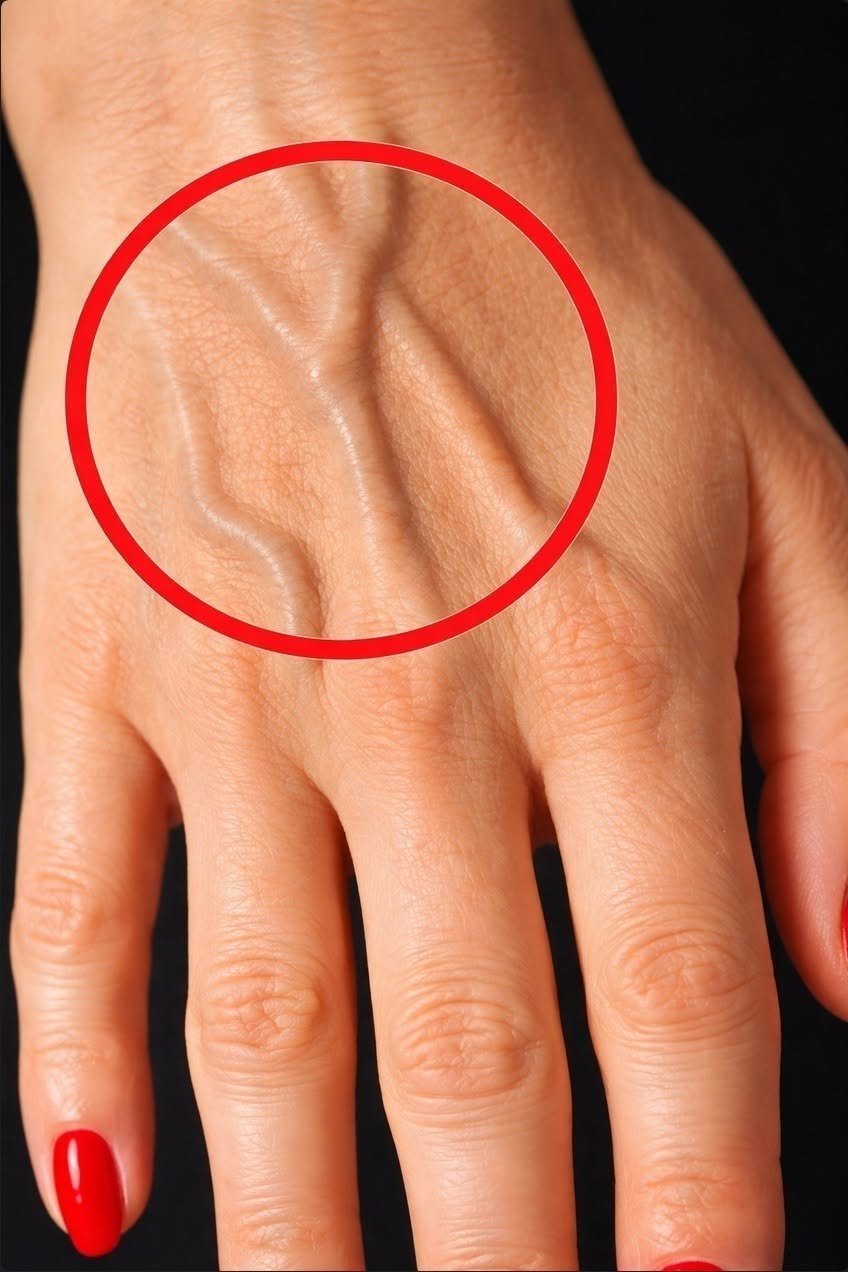
Why Are My Veins So Visible? 7 Surprising Reasons You Can See Them (And When to Worry)
Wondering why your veins suddenly look prominent? Explore the science behind visible veins, common triggers from body fat to genetics, and red flags.
You are standing under the harsh fluorescent lights of your bathroom mirror, squinting at your forearms or hands. The networks of blue and green lines look sharper, thicker, and more map-like than they did a few years ago—or maybe even last month.
You trace one with your finger and wonder: Is this normal aging, a sign of peak fitness, or something hiding beneath the surface?
If you have ever asked yourself why your veins are suddenly popping, you are far from alone. Thousands of Americans type this exact query into search engines every month, caught between casual curiosity and quiet health anxiety.
The truth is rarely a one-size-fits-all answer. While prominent veins are often a harmless byproduct of hitting the gym or shedding winter weight, they can also act as early whisperers of vascular shifts, hormonal changes, or chronic venous insufficiency.
In this comprehensive guide, we are pulling back the layers on vascular visibility. You will learn the exact biological triggers behind why veins become pronounced, how to differentiate between healthy athletic vascularity and underlying medical concerns, and what proactive steps you can take starting today.
Demystifying Vascular Visibility: What Is Actually Happening?
To understand why your veins are visible, we first have to look at the highway system running beneath your skin. Your circulatory system is a marvel of engineering, moving blood through arteries, capillaries, and veins.
Arteries carry oxygen-rich blood away from your heart, while veins push deoxygenated blood back up against gravity. Because veins sit closer to the surface of the skin than arteries, they are the lines you see tracing patterns across your hands, arms, legs, and chest.
The Anatomy of a Visible Vein
Several physical variables determine whether those veins stay hidden or become prominent:
-
Subcutaneous Fat Layer: The primary masking agent. Thinner fat layers mean less insulation between your skin and your vascular network.
-
Skin Thickness and Transparency: As we age, collagen production slows down, causing the skin to thin and making underlying structures more apparent.
-
Blood Volume and Pressure: When blood volume spikes or internal pressure rises, veins expand to accommodate the extra fluid, pushing them closer to the dermis.
-
Vascular Elasticity: The natural stretch and tone of your vein walls dictate how tightly they hold their shape.
When these factors intersect, even everyday activities can turn your veins into high-definition roadmaps. But knowing the mechanics is only half the battle. Why does it seem to happen overnight to some people?
Why It Matters: The Real-World Context in Modern Life
In contemporary American society, our relationship with visible veins is often culturally polarized. On one hand, fitness culture celebrates vascularity—prominent veins on biceps and shoulders are often viewed as the ultimate badge of honor, symbolizing low body fat and intense physical conditioning. On the other hand, the emergence of bulging, twisted veins on the legs can trigger immediate self-consciousness and health concerns.
Ignoring changes in your vascular pattern can mean missing early signals from your body. While a bodybuilder’s forearm veins are a sign of metabolic efficiency, sudden changes in leg veins can point toward sedentary modern habits—think long hours sitting at a standing desk, remote work commutes, and chronic dehydration fueled by excessive caffeine intake.
According to data compiled by organizations like the Society for Vascular Surgery, millions of American adults experience some form of chronic venous disease, yet many dismiss early symptoms as mere cosmetic nuisances. Understanding the root cause bridges the gap between harmless aesthetic variation and timely medical intervention.
7 Primary Reasons Your Veins Are Visible
Let us break down the most common culprits behind prominent veins, ranked from lifestyle factors to physiological shifts.
+-----------------------------------+-----------------------------------+
| Culprit                           | Primary Visual Characteristics    |
+-----------------------------------+-----------------------------------+
| Low Body Fat Percentage           | Symmetric, athletic, full-body    |
| Aging & Collagen Loss             | Thinning skin, prominent hands/feet|
| Genetics & Anatomy                | Lifelong pattern, family traits   |
| Dehydration & Heat                | Temporary swelling, flush skin    |
| Intense Exercise / Lifting        | Acute pump, temporary expansion   |
| Hormonal Fluctuations             | Cyclical prominence (pregnancy)   |
| Chronic Venous Insufficiency      | Tortuous, bulging, aching legs    |
+-----------------------------------+-----------------------------------+
1. Low Subcutaneous Body Fat
This is the most common reason fitness enthusiasts experience high vascularity. As you drop your overall body fat percentage—whether through calorie deficit, cardio, or strength training—the cushion of fat separating your skin from your veins shrinks. Once body fat dips below certain thresholds (typically around 10–12% for men and 16–18% for women), veins naturally become more visible, especially on the arms, shoulders, and abdomen.
2. Natural Aging and Dermal Thinning
Time leaves its mark on our skin’s architectural integrity. Collagen and elastin—the proteins responsible for skin firmness and bounce—decline steadily as we age, starting as early as our mid-twenties. As the skin thins and loses its youthful plumpness, the underlying venous network becomes far more transparent. This is why older adults frequently notice prominent, rope-like veins on the backs of their hands and forearms.
3. Genetics and Inherited Skin Transparency
Sometimes, you can simply thank your parents. Fair skin tones naturally reveal blue and green undertones much faster than darker complexions because light penetrates the dermis differently. Furthermore, inherited structural traits—such as naturally thin skin or inherently wider superficial veins—run strongly in families. If your mother or father had prominent hand veins in their thirties, chances are high you will too.
4. Environmental Heat and Dehydration
Your cardiovascular system acts as your body’s internal radiator. When ambient temperatures soar, your blood vessels dilate (a process known as vasodilation) to bring warm blood closer to the skin’s surface, allowing heat to dissipate.
Conversely, severe dehydration forces your body to pull fluid shifts, but paradoxically, acute heat expansion paired with a drop in plasma volume can make surface veins puff up as your heart works harder to circulate blood.
5. Exercise, Resistance Training, and the “Pump”
Weightlifting creates a temporary yet dramatic spike in vascular visibility. When you lift heavy weights, your muscles demand a massive influx of oxygenated blood. Your blood pressure rises, your heart rate accelerates, and blood rushes into your working muscles. This pushes the veins outward against the skin. Over time, consistent resistance training also builds cardiovascular conditioning, causing veins to adapt and widen permanently to handle increased blood flow.
6. Hormonal Fluctuations
Hormones play a stealthy role in vascular tone. Progesterone and estrogen directly influence the elasticity of vein walls. During pregnancy, for instance, a woman’s blood volume increases by up to 50%, and elevated progesterone relaxes blood vessel walls to accommodate the surge. This combination frequently causes temporary varicose veins or increased overall visibility during gestation. Similar shifts can occur during menstrual cycles or through the use of hormonal contraceptives.
7. Chronic Venous Insufficiency (CVI)
Unlike the uniform, athletic vascularity seen in fitness buffs, CVI presents distinct challenges. Inside your leg veins are tiny, one-way valves designed to snap shut and prevent blood from flowing backward. When these valves weaken or fail, blood pools inside the vein, increasing internal pressure. The vein stretches, twists, and bulges outward, becoming a varicose or spider vein.
Step-by-Step Actionable Guide: Assessing Your Vascular Health
If you are currently examining your veins and feeling uncertain, take a systematic approach to evaluate what you are seeing.
Step 1: Map the Location
-
Arms, hands, and chest: Typically associated with low body fat, lifting, heat, or aging. Usually benign.
-
Legs, calves, and ankles: More prone to structural issues, prolonged standing, and venous valve fatigue.
Step 2: Check for Accompanying Symptoms
Ask yourself the following diagnostic questions:
-
Do your legs ache, throb, or feel heavy after a long day of standing?
-
Do you experience nighttime cramping or restless legs?
-
Is there localized swelling (edema) around your ankles by evening?
If you answered yes to any of these, your visible veins may point past simple aesthetics into early-stage venous insufficiency.
Step 3: Perform the Elevation Test
Lie down on your back and elevate your legs above the level of your heart for 15 minutes.
-
Benign veins will typically flatten out or reduce in prominence as gravity assists the return of blood to the heart.
-
Damaged varicose veins may remain prominent or take longer to recede, accompanied by a dull ache that improves upon elevation.
Step 4: Audit Your Daily Habits
Look closely at your lifestyle friction points:
-
Are you sitting or standing consecutively for more than 4 hours without a movement break?
-
Is your daily water intake falling short of standard hydration benchmarks?
-
Are you consuming excessive sodium, which promotes water retention and raises blood pressure?
Real-World Scenarios: Spotting the Difference
To ground these concepts in reality, let us examine two common American archetypes navigating visible veins.
Scenario A: The Desk-Bound Professional
-
Profile: Sarah, a 34-year-old remote marketing manager in Chicago, sits at her home desk for 9 hours a day. She notices greenish-blue web-like veins appearing behind her knees and along her inner thighs, accompanied by a dull, aching heaviness by 5:00 PM.
-
The Diagnosis: Early-stage spider and reticular veins driven by prolonged static sitting, which prevents the calf muscle pump from effectively driving blood upward.
-
The Fix: Incorporating a standing desk converter, taking a 5-minute walking break every hour, and wearing graduated compression stockings during long work sessions.
Scenario B: The Dedicated Athlete
-
Profile: Marcus, a 28-year-old software engineer in Austin, spends 5 days a week lifting weights and running outdoors. He notices thick, ropy veins running across his biceps, forearms, and lower abdomen. He feels no pain, only aesthetic curiosity.
-
The Diagnosis: Classic athletic vascularity resulting from low subcutaneous body fat, increased cardiac output, and heat-induced vasodilation.
-
The Fix: No medical intervention needed. Continued hydration, proper electrolyte balance, and balanced nutrition to support recovery.
Implementation Strategies: Managing and Supporting Vascular Health
Whether your goal is to support healthy circulation or simply maintain comfortable legs, daily proactive habits make a profound difference.
-
Embrace the Calf Muscle Pump: Your calves act as the “second heart” of your circulatory system. Every time you step, flex, or walk, your calf muscles squeeze deep veins, pushing blood upward against gravity. Make it a rule to walk for 10 minutes after every meal.
-
Optimize Hydration and Electrolytes: Dehydration thickens blood, forcing your heart to pump harder and increasing vascular resistance. Pair adequate daily water intake with balanced sodium, potassium, and magnesium to maintain optimal fluid balance.
-
Leverage Compression Therapy: If your job requires standing or sitting for long stretches, medical-grade graduated compression socks (15–20 mmHg) provide external support, keeping vein walls compressed and assisting upward blood flow.
-
Incorporate Cool-Downs: After intense resistance training or hot yoga, finish with cold water rinses or cool-down walks to encourage natural vasoconstriction and normalize blood pressure distribution.
Pros and Cons of Prominent Vascularity
| Pros of Visible Veins | Cons / Risks of Pathological Veins |
| Indicates low body fat and high physical conditioning | Can signal underlying chronic venous insufficiency |
| Reflects a strong, efficient cardiovascular network | May cause chronic aching, heaviness, and discomfort |
| Completely natural genetic and aging marker | Potential for skin discoloration or ulcers if ignored |
| Simplifies medical blood draws and IV placement | Can create cosmetic self-consciousness |
Common Mistakes and How to Fix Them
-
Mistake 1: Ignoring Leg Pain as “Just Getting Older”
-
The Fix: Aching legs are not a mandatory rite of passage. If leg heaviness persists, schedule a consultation with a board-certified vein specialist (phlebologist) for a quick, non-invasive duplex ultrasound.
-
-
Mistake 2: Relying Solely on Extreme Diuretics for Cut Aesthetics
-
The Fix: Some fitness enthusiasts attempt to force extreme vascularity by dehydrating themselves. This thickens blood, stresses the kidneys, and can lead to dangerous electrolyte imbalances. Prioritize natural fat loss over acute water manipulation.
-
-
Mistake 3: Crossing Legs for Extended Periods
-
The Fix: Habitually crossing your legs restricts blood flow through the popliteal vein behind the knee. Practice keeping both feet flat on the floor to maintain open circulatory pathways.
-
Expert-Level Insights: Insider Knowledge
Beyond the standard advice found in basic health pamphlets, experienced vascular clinicians look at subtle markers that most people overlook:
-
The Dermal Temperature Test: Run the back of your hand gently over a prominent vein. If the area feels noticeably warmer than the surrounding skin, it can indicate turbulent blood flow or localized inflammation within the superficial vessel.
-
The Role of Nitric Oxide: Natural dietary nitrates found in foods like beets, arugula, and pomegranate juice stimulate endothelial nitric oxide production. This relaxes and widens blood vessels naturally, improving microcirculation without raising systemic blood pressure.
-
Postural Orthostatic Awareness: If your veins bulge dramatically the moment you stand up from a seated position, it may point toward autonomic nervous system adjustments or minor orthostatic shifts in blood pooling rather than localized vein disease.
Frequently Asked Questions
1. Does having visible veins mean I have low body fat?
Not necessarily. While low body fat is the primary reason veins show on the arms and torso, visible veins on the legs and face are often caused by aging, genetics, or venous valve weakness, regardless of your body fat percentage.
2. Are blue veins different from green veins?
No. Blood is never blue; deoxygenated blood is dark red. The blue or green appearance is an optical illusion created by how light penetrates human skin. Longer red wavelengths of light are absorbed by skin and tissue, while shorter blue wavelengths are reflected back to your eye.
3. Can drinking more water make my veins less visible?
If your veins are prominent due to dehydration-induced skin tightness or heat stress, proper hydration can help normalize blood volume and vessel tone. However, if your visibility is genetic or due to low body fat, water intake will not hide them.
4. Are prominent hand veins a sign of aging?
Yes, frequently. As we age, the skin on the hands thins, and subcutaneous fat diminishes. Combined with a lifetime of gravity pulling blood downward, hand veins naturally become more rope-like and prominent over time.
5. When should I see a doctor about visible veins?
You should consult a physician if your visible veins are accompanied by persistent leg pain, swelling, throbbing, skin discoloration near the ankles, open sores, or if a specific vein becomes hard, warm, and tender to the touch.
6. Do compression socks actually fix varicose veins?
Compression socks do not cure existing varicose veins, but they are exceptionally effective at managing symptoms, reducing swelling, slowing disease progression, and preventing new varicose veins from forming.
7. Can exercise cause varicose veins?
Moderate exercise improves circulation and prevents venous disease. However, high-impact heavy lifting performed with improper breathing techniques (the Valsalva maneuver) can dramatically spike internal abdominal pressure, potentially straining weak vein valves over time.
8. Are spider veins the same as varicose veins?
No. Spider veins (telangiectasias) are tiny, red, purple, or blue thread-like vessels visible right on the surface of the skin. Varocose veins are larger, deeper, swollen, and twisted veins that often bulge above the skin’s surface.
Action Checklist
-
What to Do:
-
Track whether your visible veins cause physical discomfort like aching or heaviness.
-
Incorporate regular movement breaks if your daily routine involves prolonged sitting.
-
Stay consistently hydrated and maintain a balanced intake of electrolytes.
-
Consult a vascular specialist if you notice rapid leg swelling or protruding twists.
-
-
What to Avoid:
-
Ignoring persistent leg pain or assuming it is an inevitable part of aging.
-
Engaging in dangerous dehydration tactics for temporary cosmetic vascularity.
-
Crossing your legs or standing in static positions for hours without breaks.
-
Conclusion
Finding prominent veins can spark a range of emotions—from pride in your athletic progress to quiet concern about your changing body. Ultimately, visible veins are messengers. They tell a story written by your genetics, your daily habits, your fitness journey, and the natural passage of time.
By tuning into what your body is communicating, separating harmless aesthetic traits from warning signs, and supporting your circulatory system with smart lifestyle choices, you can navigate your vascular health with confidence.
Visible veins are usually a normal reflection of body composition, genetics, or aging—but if they come with aches or swelling, listen to your legs and consult a professional.
Disclaimer: This article is for informational and educational purposes only and should not be construed as medical advice. Always consult a qualified healthcare provider or board-certified vascular specialist for diagnosis and treatment of any medical condition.