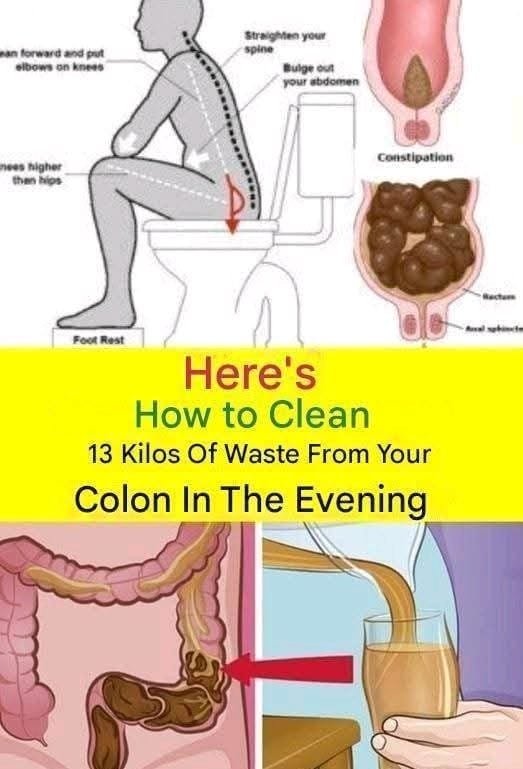
“Clean 15 Kilograms of Waste from Your Colon Overnight?” — What Actually Works (and What Doesn’t)
Can you really cleanse 15 kg of waste from your colon in one night? Discover the truth, safe detox habits, and what actually supports gut health.
The Promise Sounds Tempting — But Let’s Get Real
You’ve probably seen it before:
“Flush out 10–15 kilograms of toxic waste from your colon overnight.”
It sounds dramatic. Almost irresistible. Who wouldn’t want a complete internal reset in a single night?
But here’s the truth most of those claims skip:
Your body doesn’t work that way — and trying to force it can do more harm than good.
That doesn’t mean your digestive system doesn’t need support. It absolutely does. Bloating, irregular bowel movements, and sluggish digestion are real problems many people deal with daily.
The difference is this: real solutions are gradual, safe, and sustainable — not extreme overnight “cleanses.”
Let’s break down what’s actually happening inside your body, what’s myth vs reality, and how to truly support your colon health.
Can You Really Remove “15 Kilograms of Waste” Overnight?
Short answer: No.
Here’s why.
The human colon does not store massive amounts of old waste waiting to be “cleaned out.” In a healthy digestive system:
- Food moves through the digestive tract continuously
- Waste is regularly eliminated
- The colon does not accumulate years of material in normal conditions
Claims about removing large quantities of waste overnight are often exaggerated or misleading.
Even medical procedures like colon cleansing (used before surgeries or colonoscopies) don’t result in massive weight loss — they simply clear current contents temporarily.
If you ever experience severe constipation or unusual symptoms, that’s a medical issue — not something to treat with DIY extreme cleanses.
Why People Feel Like They Need a “Colon Cleanse”
Even though extreme claims are misleading, the feeling behind them is real.
Many people experience:
- Bloating
- Irregular bowel movements
- Gas and discomfort
- Fatigue linked to poor digestion
These issues are often caused by modern lifestyle habits:
- Low fiber intake
- Dehydration
- Highly processed foods
- Sedentary routines
- Chronic stress
So while your colon doesn’t need an overnight purge, it does benefit from consistent support.
What Actually Supports Colon Health (Backed by Science)
Instead of extreme detoxes, focus on habits supported by research and organizations like the Centers for Disease Control and Prevention (CDC) and Harvard Health.
1. Fiber: The Real “Cleanser”
Fiber is what naturally keeps your colon moving.
There are two types:
- Soluble fiber (oats, apples, beans): softens stool
- Insoluble fiber (whole grains, vegetables): adds bulk and promotes movement
Aiming for 25–38 grams per day can significantly improve digestion.
2. Hydration: The Missing Piece
Without enough water, fiber can’t do its job.
Proper hydration:
- Keeps stool soft
- Supports smooth bowel movements
- Reduces bloating
Many people underestimate how much this matters.
3. Gut-Friendly Foods
Your colon is home to trillions of bacteria — your gut microbiome.
Support it with:
- Yogurt and fermented foods
- Fruits and vegetables
- Whole grains
These help maintain balance and improve digestion over time.
4. Movement Matters More Than You Think
Physical activity stimulates intestinal movement.
Even simple habits like:
- Walking after meals
- Light exercise
…can improve regularity.
5. Consistent Eating Patterns
Irregular eating disrupts digestion.
Your body thrives on rhythm:
- Regular meal times
- Balanced portions
This helps your digestive system function smoothly.
The “Overnight Cleanse” Alternatives (Safe and Realistic)
If you’re looking for a short-term reset, here’s a safer approach that actually helps:
Evening Routine for Better Digestion
Before bed:
- Drink a glass of warm water with lemon
- Eat a fiber-rich dinner (vegetables + whole grains)
- Avoid heavy, greasy foods late at night
Optional natural support:
- A small serving of chia seeds soaked in water
- Herbal teas like peppermint or ginger
These don’t “flush” your colon — but they support natural processes.
Comparison: Extreme Cleanses vs Sustainable Habits
| Approach | Extreme Cleanse | Healthy Routine |
|---|---|---|
| Speed | Fast (temporary) | Gradual |
| Safety | Risky | Safe |
| Results | Short-lived | Long-term |
| Scientific support | Weak | Strong |
| Sustainability | Low | High |
Common Mistakes People Make
1. Falling for exaggerated claims
If it sounds too dramatic, it usually is.
2. Using harsh laxatives unnecessarily
These can disrupt your digestive system and cause dependency.
3. Ignoring underlying issues
Chronic constipation or digestive discomfort should be evaluated properly.
4. Expecting instant results
Digestive health improves over time, not overnight.
Expert Insight Most People Miss
Your colon is already self-cleaning.
That’s its job.
The real goal isn’t to “clean it out” — it’s to support its natural function.
When you:
- Eat enough fiber
- Stay hydrated
- Move regularly
…your body handles the rest.
Trying to override that system often backfires.
A Simple Real-Life Scenario
Consider someone dealing with frequent bloating and irregular digestion.
Instead of doing an extreme cleanse, they:
- Increase fiber gradually
- Drink more water
- Walk daily
- Add probiotic foods
Within a couple of weeks:
- Bloating reduces
- Bowel movements become regular
- Energy improves
No dramatic overnight change — but real, lasting results.
2026 Health Trend: Moving Away from “Detox Culture”
There’s a noticeable shift happening.
Health experts are moving away from:
- Quick detox fixes
- Extreme cleansing programs
And toward:
- Gut health optimization
- Microbiome support
- Sustainable nutrition
This shift is backed by ongoing research in digestive health and the microbiome.
Frequently Asked Questions
1. Is colon cleansing necessary?
For most healthy people, no. Your body naturally eliminates waste.
2. Can you lose weight from a colon cleanse?
Any weight loss is temporary and mostly water or waste — not fat.
3. Are laxatives safe for cleansing?
Only when medically recommended. Overuse can be harmful.
4. What’s the best natural way to improve digestion?
Fiber, water, movement, and balanced nutrition.
5. How often should you have bowel movements?
It varies — anywhere from 3 times a week to daily can be normal.
6. Do detox drinks work?
Some support hydration and digestion, but they don’t “flush toxins” dramatically.
7. What are signs of poor colon health?
Persistent constipation, bloating, abdominal pain, or changes in bowel habits.
8. Can diet alone fix digestion?
In many cases, yes — but persistent issues should be evaluated by a professional.
9. Are colon cleanses ever medically used?
Yes, before procedures like colonoscopies — under medical supervision.
10. Should I try an overnight cleanse?
It’s not recommended. Focus on safe, consistent habits instead.
Action Checklist
What to Do
✔ Eat fiber-rich foods daily
✔ Stay well hydrated
✔ Maintain regular meals
✔ Stay physically active
✔ Support gut health with whole foods
What to Avoid
✘ Extreme “overnight cleanse” claims
✘ Overuse of laxatives
✘ Highly processed diets
✘ Ignoring persistent symptoms
✘ Expecting instant fixes
The idea of removing “15 kilograms of waste overnight” is more myth than reality.
But the desire behind it — to feel lighter, healthier, and more energized — is completely valid.
The good news?
You don’t need extreme methods to get there.
With consistent, simple habits, your body can do exactly what it’s designed to do — efficiently and safely.
There’s no overnight colon cleanse — but there is a smarter, safer way to feel better. Focus on habits, not hype.
If you’ve come across bold detox claims or tried different approaches, share your experience. And if you’re interested in practical, science-backed health strategies, keep exploring — there’s always more to learn.