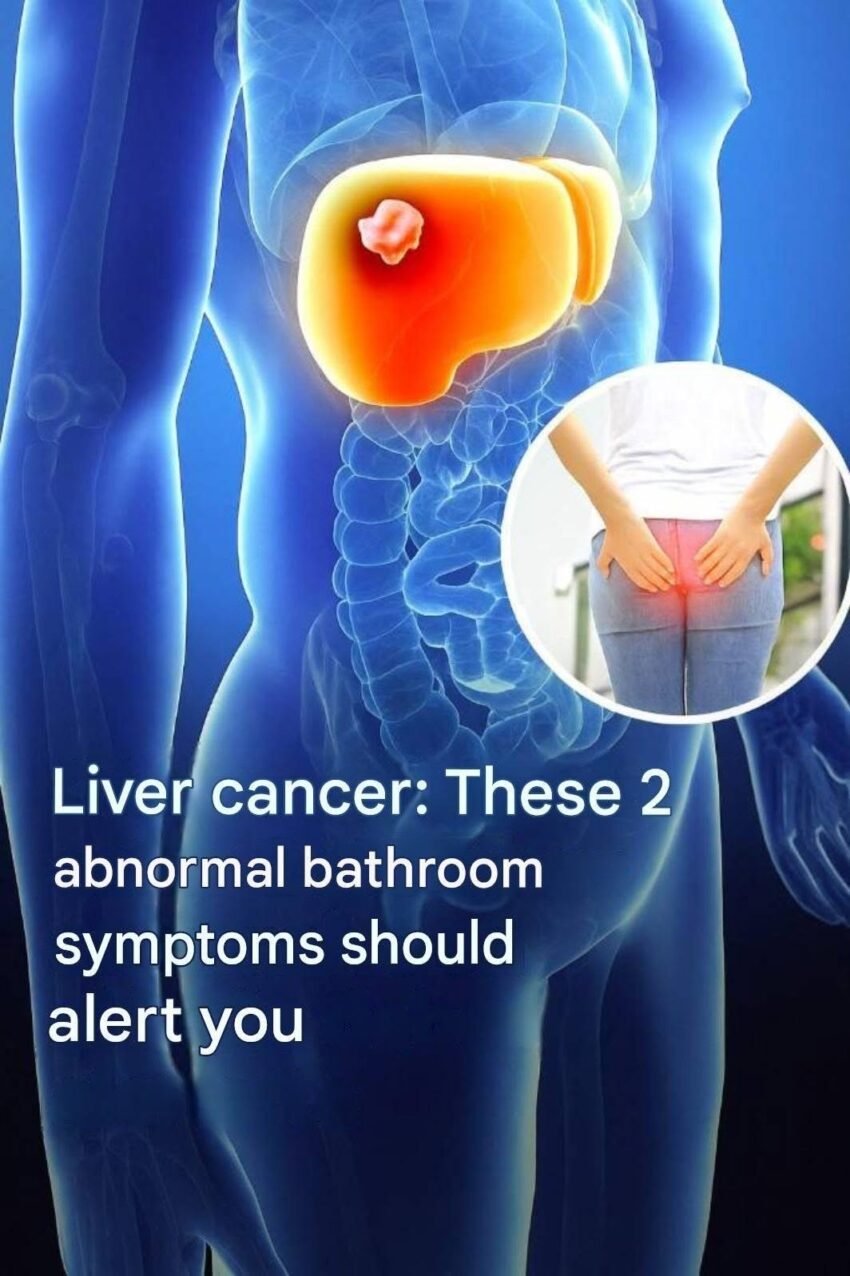
The passing of iconic French television producer and host Thierry Ardisson at the age of 76 due to liver cancer brought profound shock to the European cultural landscape and reignited global conversations regarding the elusive, aggressive nature of hepatic malignancies. Often dubbed a “silent killer” by medical professionals, liver cancer frequently progresses unnoticed because the liver is remarkably resilient, masking symptoms until the disease reaches advanced stages.
Recognizing the subtle warning signs of primary liver cancer or hepatic metastasis is vital for early diagnosis, timely intervention, and improving long-term prognostic outcomes.
Understanding the Anatomy of a Silent Disease
The liver serves as the human body’s primary filtration, metabolic, and biochemical powerhouse, managing everything from nutrient processing to toxin removal. Because it contains very few pain receptors within its actual tissue capsule (with receptors mostly localized in the outer covering, the Glisson’s capsule), malignant growths can expand significantly before generating localized physical pain.
When high-profile figures like Ardisson succumb to the condition, it highlights how easily early indicators can be brushed off as standard fatigue, routine digestive upset, or age-related slowing down.
Key Symptoms of Liver Cancer to Monitor
While early-stage liver cancer is notoriously asymptomatic, patients or those at risk typically begin to notice specific clinical red flags as tumors grow or impair overall liver function:
-
Unexplained, Rapid Weight Loss: Dropping a significant percentage of body weight without altering diet, caloric intake, or physical activity levels is often one of the earliest systemic red flags of oncological activity.
-
Persistent Fatigue and Lethargy: An overwhelming, debilitating exhaustion that does not resolve with adequate sleep or rest points to metabolic disruption caused by failing organ efficiency.
-
Upper Right Abdominal Discomfort: A dull ache, fullness, or sharp pain underneath the right rib cage occurs when a growing tumor stretches the liver’s outer capsule or pushes against adjacent organs.
-
Jaundice (Yellowing of Skin and Eyes): The accumulation of bilirubin—a yellow pigment processed by the liver—leads to noticeable yellowing of the skin and the whites of the eyes, signaling obstructed bile ducts or severe hepatic dysfunction.
-
Nausea and Early Satiety: Experiencing profound loss of appetite, frequent queasiness, or feeling abnormally full after consuming only a tiny portion of food.
-
Abdominal Swelling (Ascites): Fluid retention within the peritoneal cavity can cause the abdomen to swell noticeably, often accompanied by lower extremity edema (swelling in the legs and ankles).
-
Pale Stools and Dark Urine: Changes in waste coloration often accompany bile duct blockage or disruptions in normal waste elimination pathways.
Primary Risk Factors and Underlying Causes
Medical oncology outlines several distinct pathways leading to liver pathology. Understanding these risk factors helps high-risk populations pursue proactive screening protocols:
-
Chronic Viral Hepatitis: Long-term infections with Hepatitis B (HBV) or Hepatitis C (HCV) lead to continuous inflammation, cellular damage, and eventual genetic mutation.
-
Cirrhosis: Advanced scarring of the liver tissue—most frequently linked to heavy, chronic alcohol consumption or metabolic dysfunction-associated steatotic liver disease (MASLD)—drastically increases hepatocellular carcinoma risks.
-
Metabolic Conditions: Non-alcoholic fatty liver disease, driven by obesity, insulin resistance, and type 2 diabetes, has emerged as a leading catalyst for modern hepatic cancers.
-
Toxin Exposure: Ingestion of environmental toxins, such as aflatoxins produced by molds growing on improperly stored grains and peanuts, poses severe carcinogenic threats.
The Importance of Early Diagnostics
Because liver cancer symptoms mimic less severe gastrointestinal or systemic conditions, diagnostic delays are common. Physicians utilize a combination of diagnostic modalities for individuals presenting with suspicious symptoms or falling into high-risk surveillance categories:
-
Blood Tests: Monitoring liver enzyme panels alongside specific tumor markers like alpha-fetoprotein (AFP).
-
Imaging Scans: Utilizing multi-phasic CT scans, high-resolution MRIs, and abdominal ultrasounds to visualize tissue masses, blood flow, and structural abnormalities.
-
Liver Biopsy: In select cases, extracting a minute tissue sample to confirm cellular pathology, though advanced imaging often provides definitive diagnostic clarity.
Proactive Steps and Prevention Strategies
Mitigating liver cancer risk involves a combination of lifestyle choices and medical interventions tailored to individual health profiles:
-
Vaccination and Treatment: Getting vaccinated against Hepatitis B and seeking curative antiviral treatments for chronic Hepatitis C.
-
Metabolic Management: Maintaining healthy blood sugar levels, regulating weight, and adopting a Mediterranean-style diet low in processed sugars and trans fats.
-
Alcohol Moderation: Limiting alcohol intake significantly reduces the probability of developing irreversible hepatic cirrhosis.
-
Routine Surveillance: Individuals diagnosed with chronic liver disease should undergo regular ultrasound or biomarker screenings every six months to detect lesions when curative surgical resection or ablation remains viable.
The tragic loss of figures like Thierry Ardisson serves as a sobering reminder of how rapidly silent pathologies can advance without warning. Listening to persistent bodily changes, understanding personal risk factors, and maintaining routine medical check-ups remain the most effective defenses against a disease that thrives on late detection.