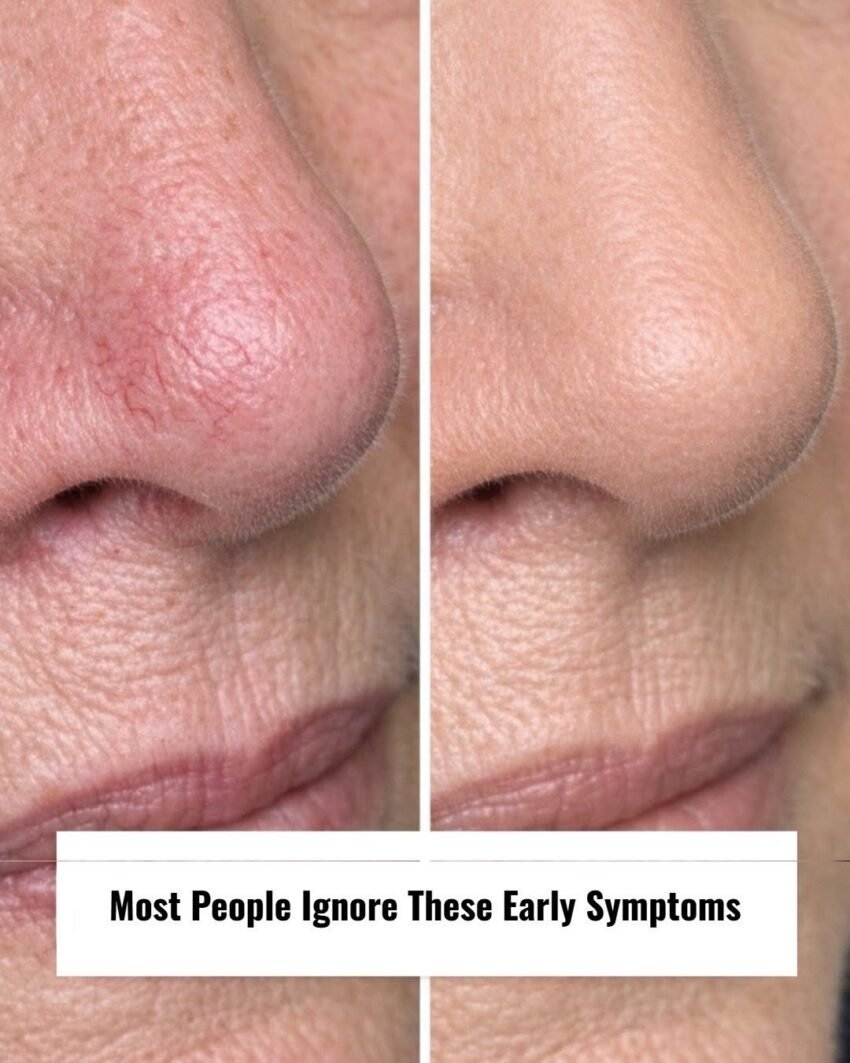
Most People Completely Ignore These Early Nasal Symptoms—And It’s a Dangerous Mistake
Disclaimer: The following content is for informational and educational purposes only and does not substitute for professional medical advice, diagnosis, or treatment. Always consult a qualified otolaryngologist or healthcare provider if you experience persistent or worsening physical symptoms.
The Subtle Signals Hiding Right Under Your Nose
We live in a world of chronic sniffles. Between seasonal pollen, shifting indoor climates, urban air pollution, and the occasional winter cold, almost every American accepts a stuffy or running nose as a mundane, unexceptional part of daily life. When your nose acts up, your immediate reaction is to reach for a box of tissues, pop an antihistamine, or assume it’s just another bout of routine allergies.
This casual dismissal, however, can quietly mask something far more serious.
Deep inside the nasal passages and paranasal sinuses, dangerous pathologies—ranging from chronic inflammatory conditions and recurring polyps to rare, aggressive sinonasal malignancies—can begin to develop. Because the early symptoms mimic a standard cold or stubborn sinus infection, patients routinely ignore them for months. By the time structural changes or severe pain finally force a trip to a specialist, critical windows for early intervention have closed.
Understanding the quiet, easily overlooked red flags of your nasal health isn’t about fostering health anxiety; it is about learning how to listen to the subtle whispers of your body before they turn into major medical emergencies.
Why the Nasal Passage Is a Master of Deception
To understand why nasal symptoms are so frequently misread, we must examine the anatomical design of the upper respiratory tract. Your nasal cavity and sinuses form an intricate, interconnected labyrinth of hollow, membrane-lined bones designed to warm, filter, and humidify the air you breathe.
Because these tissues are constantly exposed to environmental pathogens and irritants, they are naturally prone to inflammation. When a structural blockage, a benign growth, or a cellular mutation begins inside this closed space, the early warning signs look remarkably pedestrian:
-
Mild, one-sided congestion
-
A subtle shift in how things smell
-
Intermittent post-nasal drip
The body adapts to these slow-moving changes seamlessly. You unconsciously shift your breathing pattern, start relying on nighttime mouth breathing, or blame the dry office air. This adaptive resilience is precisely what makes nasal warning signs so dangerous—they creep up on you disguised as everyday annoyances.
The Overlooked Symptoms You Should Never Brush Off
While everyone experiences a stuffy nose during allergy season, specific patterns and persistence levels separate harmless irritation from a deeper clinical warning.
1. Unilateral (One-Sided) Nasal Congestion That Won’t Clear
If you have a cold, both nostrils typically feel blocked or stuffy equally. If you notice that only your left or only your right nostril remains persistently blocked for weeks—regardless of whether you take decongestants or nasal sprays—that is a major red flag. One-sided blockage often points to a physical obstruction within that specific passage, such as an enlarged polyp, a deviated septum, or an expanding cellular mass that requires direct visualization by a doctor.
2. Persistent, Unexplained Epistaxis (Nosebleeds)
Dry winter air or minor trauma can cause a fragile blood vessel in the front of the nose to rupture occasionally. However, if you experience frequent, spontaneous nosebleeds originating from deep inside the nasal cavity without an obvious environmental trigger, it demands investigation. Tumors and chronic inflammatory lesions inside the sinuses are heavily vascularized and can bleed repeatedly as they grow and erode delicate local tissues.
3. Unilateral Facial Numbness or Pressure
Sinus pressure usually affects the forehead, cheeks, and bridge of the nose symmetrically. When pressure, dull aching, or outright numbness localizes strictly to one side of the face—frequently radiating into the upper jaw, teeth, or cheekbone—it suggests that a localized growth or chronic infection is pressing directly against the branches of the trigeminal nerve.
4. Gradual Loss of Smell (Anosmia) or Persistent Foul Odors
A temporary loss of smell during a viral infection is normal. However, a progressive, permanent loss of smell restricted to one side of the nose, or the persistent perception of a foul, rotting odor that no one else around you can detect (known medically as cacosmia), can indicate necrotic tissue breakdown or trapped, infected secretions behind a blockage.
Real-World Scenarios: How Patients Miss the Signs
Consider the case of a 48-year-old accountant living in Boston. For over six months, he noticed that his left nostril felt slightly obstructed every morning. Assuming it was just chronic dust allergies triggered by his home heating system, he purchased over-the-counter nasal decongestant sprays and used them daily. When the sprays stopped working, he simply switched to stronger formulas.
Because his right nostril compensated effectively, he never felt fully suffocated. It wasn’t until he developed a subtle numbness under his left eye and visited an ear, nose, and throat (ENT) specialist that a diagnostic nasal endoscopy revealed a mass blocking his sinus cavity.
This scenario highlights a compounding trap: relying on over-the-counter decongestants to mask symptoms not only creates a physiological rebound effect (rhinitis medicamentosa) but also buys dangerous time for underlying conditions to advance unchecked.
Step-by-Step Action Plan: Auditing and Protecting Your Nasal Health
You do not need to panic every time your nose feels stuffed, but you do need to adopt a structured, systematic approach to persistent symptoms.
1. Conduct a Two-Week Symptom Audit
If a nasal symptom lingers beyond normal cold timeframes (typically 7 to 10 days), stop guessing and start recording. Track:
-
Which specific nostril is affected (is it strictly one-sided?).
-
The exact time of day the symptom peaks.
-
Whether over-the-counter remedies provide actual relief or temporary masking.
-
Any accompanying changes in vision, dental pain, or facial symmetry.
2. Stop Misusing Nasal Sprays
If you have been using over-the-counter oxymetazoline decongestant sprays for more than three to five consecutive days, stop immediately. These sprays constrict blood vessels in the nose, but prolonged use triggers severe vascular rebound swelling, worsening your congestion and hiding underlying structural issues.
3. Schedule a Targeted Evaluation with an ENT Specialist
If a one-sided blockage, unexplained nosebleeds, or facial pressure persists past three weeks, bypass basic primary care observation and request a direct referral to an otolaryngologist. An ENT can perform a painless, in-office nasal endoscopy—using a tiny, illuminated fiber-optic camera—to look directly up into your nasal passages and identify the root cause instantly.
4. Optimize Indoor Environmental Factors
Support your nasal mucosa daily by maintaining proper indoor humidity (between 30% and 50%), using saline rinses (neti pots with distilled or sterile water) to flush out irritants and allergens, and avoiding known chemical irritants or heavy workplace dust without proper respiratory protection.
Comparing Nasal Issues: Common vs. Concerning
| Symptom Characteristic | Benign / Common (Allergies, Cold) | Concerning / Requires Evaluation |
| Congestion Pattern | Alternates sides or affects both nostrils equally | Strictly one-sided (unilateral) and unchanging |
| Duration | Resolves within 7–14 days (or maps to seasonal pollen peaks) | Persists continuously for over 3 to 4 weeks |
| Nosebleeds | Rare, minor, stops quickly with direct pressure | Frequent, spontaneous, and deep-seated |
| Facial Discomfort | General sinus pressure across forehead and cheeks | Localized numbness, pain in upper teeth, or facial swelling |
Pros and Cons of Proactive Nasal Monitoring
-
Pros of Early Investigation:
-
Catches benign conditions (like nasal polyps or deviated septums) when they are easily treatable.
-
Rules out serious malignancies early, providing immense peace of mind.
-
Prevents long-term damage to the delicate sinus architecture and olfactory nerves.
-
-
Cons and Challenges:
-
Navigating specialist wait times can sometimes feel frustrating.
-
Diagnostic procedures like endoscopies or CT scans can incur medical costs.
-
Can temporarily heighten anxiety regarding minor physical sensations.
-
Common Mistakes to Avoid (And How to Fix Them)
-
Mistake 1: Relying on Decongestant Sprays Long-Term
-
The Danger: Developing chronic rebound congestion that permanently inflames the nasal passages and masks underlying obstructions.
-
The Fix: Limit medicated nasal sprays strictly to 3 days maximum. Transition to sterile saline mists for daily moisture.
-
-
Mistake 2: Assuming One-Sided Stuffiness is Just a Deviated Septum
-
The Danger: Blaming every unilateral blockage on a crooked nasal bone without checking for soft tissue growths or polyps.
-
The Fix: Get a professional physical examination to confirm the exact anatomical cause of the blockage.
-
-
Mistake 3: Using Tap Water in Neti Pots
-
The Danger: Introducing dangerous, rare amoebas or pathogens found in untreated tap water directly into vulnerable sinus cavities.
-
The Fix: Always use distilled, sterile, or previously boiled and cooled water for all nasal irrigation practices.
-
Expert-Level Insights: The 2026 Diagnostic Standard
Medical technology in 2026 has revolutionized how sinonasal disorders are identified. Advanced office-based high-definition endoscopes equipped with narrow-band imaging allow otolaryngologists to visualize abnormal micro-vascular patterns in the nasal mucosa long before a mass becomes large or invasive. Furthermore, low-dose cone-beam CT scans now provide instantaneous, high-resolution 3D mapping of the paranasal sinuses with minimal radiation exposure, ensuring that hidden pathologies have nowhere to hide.
Frequently Asked Questions
Can seasonal allergies cause one-sided nasal congestion?
Generally, seasonal allergies affect the entire nasal mucosa equally, causing bilateral (both sides) stuffiness and sneezing. If your congestion is strictly confined to one nostril day after day, allergies are rarely the sole culprit.
What is a nasal polyp, and can it become dangerous?
Nasal polyps are soft, non-cancerous, painless growths that hang down like tiny grapes inside your nasal passages or sinuses, usually resulting from chronic inflammation. While benign, they can completely block airflow, trap bacteria to cause chronic infections, and severely compromise your sense of smell.
How do I know if my nosebleed is normal or a warning sign?
An occasional nosebleed from the front of the septum that stops within 5 to 10 minutes of pinching the nose is usually harmless. Frequent, heavy bleeding that comes from deep inside or occurs without picking or trauma requires an immediate medical check.
Can chronic sinus infections lead to permanent tissue damage?
Yes. Untreated, long-standing chronic sinusitis can cause the delicate bony partitions between your sinuses, eyes, and brain to erode or weaken, leading to severe complications if left unmanaged.
Why does my face feel numb near my cheek when I have a blocked nose?
Facial numbness occurs when a growth, cyst, or severe inflammation presses against the maxillary branch of the trigeminal nerve, which runs directly beneath the floor of the maxillary sinus. Any pressure on this nerve alters sensation in the cheek, upper teeth, and lips.
Are nasal saline rinses safe to use every day?
Yes. Daily nasal irrigation with sterile saline is an exceptional, clinically proven way to wash away airborne allergens, thick mucus, and pollutants, keeping your cilia functioning properly.
What does a sinonasal tumor feel like in its earliest stages?
In its earliest stages, a sinonasal tumor feels almost identical to a stubborn sinus infection or a chronic cold—featuring one-sided stuffiness, slight pressure, or minor post-nasal drip. This exact mimicry is why they are so frequently ignored early on.
When should I bypass my primary care doctor and see an ENT directly?
If you experience persistent one-sided blockage lasting more than 3 weeks, recurrent unexplained nosebleeds, sudden visual changes (like double vision), or localized facial numbness, book an appointment with an otolaryngologist immediately.
Action Checklist
-
Do: Track the duration and side-specificity of any lingering nasal congestion.
-
Do: Use sterile saline solutions to keep your nasal passages hydrated and clean.
-
Do: Schedule an evaluation with an ENT specialist if symptoms persist beyond three weeks.
-
Avoid: Using over-the-counter decongestant nasal sprays for more than 3 consecutive days.
-
Avoid: Using untreated tap water for nasal rinses or neti pots.
-
Avoid: Dismissing one-sided facial pressure, numbness, or recurring deep nosebleeds as mere allergies.
Your nose is more than just a breathing tube—it is an intricate early warning system for your upper respiratory health. Brushing off persistent, one-sided congestion, strange smells, or unexplained bleeding as a simple cold can allow hidden conditions to progress unchecked. Listen to your body, ditch the quick-fix sprays, and seek professional medical guidance when your symptoms refuse to clear.
Did you find this health guide eye-opening? Drop a comment below, share this article with your family and friends to keep them informed, and explore our site for more evidence-based medical insights.