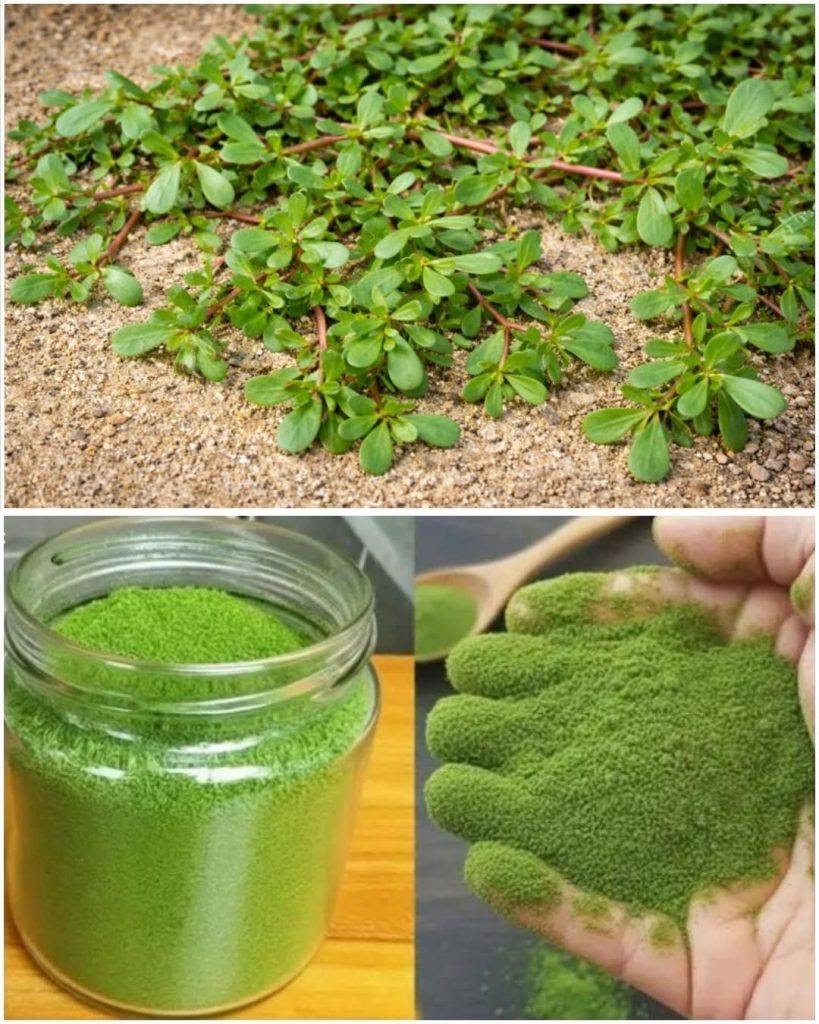
The Hidden Gold Mine in Your Yard: Why You Should Stop Eradicating Purslane
You spot a sprawling, succulent-leaved mat creeping across your flower bed or wedging itself neatly between your patio pavers. Instinct tells you to reach for the weeding tool or spray chemical killer, but experienced gardeners and foragers know this humble intruder—purslane (Portulaca oleracea)—is an absolute powerhouse disguised as a nuisance.
While mainstream lawn care culture spends millions trying to eradicate it, those in the know recognize purslane as a nutritional and ecological gold mine.
Why Purslane is Far More Valuable Than It Looks
At first glance, purslane looks like a fleshy, insignificant ground cover with reddish stems and small oval leaves. However, it boasts a profile that elite superfoods sold in high-end grocery stores can rarely match.
-
The Omega-3 King: Purslane contains more heart-healthy Omega-3 fatty acids (specifically alpha-linolenic acid) than almost any other leafy vegetable on Earth. Most land-based greens are virtually devoid of these fatty acids, which are typically found in fish and flax.
-
Nutritional Density: It is packed with vitamins A, C, and E, as well as magnesium, calcium, potassium, and iron. Its vitamin E levels surpass those of spinach, and it contains high concentrations of melatonin and powerful antioxidants.
-
Zero Input Cost: While you coddle delicate lettuce seeds with constant watering, shade cloths, and pest control, purslane thrives on absolute neglect. It survives scorching droughts, poor soil, and brutal heatwaves without a drop of artificial assistance.
Culinary Uses: How to Eat It
Purslane isn’t just nutritious; it is surprisingly delicious. It has a crisp, succulent texture with a bright, pleasantly tangy, and slightly lemony flavor profile.
-
Raw in Salads: Toss tender young sprigs and leaves into a summer salad to add a unique, zesty crunch.
-
Quick Pickled: Pickle the thick stems in a brine of vinegar, garlic, and salt for a crunchy snack that rivals cucumbers.
-
Sautéed or Souped: Use it similarly to okra or spinach. Purslane contains natural mucilage, making it an exceptional thickening agent for soups, stews, and stir-fries.
Garden Utility: The Ultimate Living Mulch
Beyond the kitchen, seasoned gardeners value purslane as an ecological tool. Because of its dense, low-growing growth habit, it acts as a living mulch. It shades the soil, suppresses aggressive weed germination, and locks in vital soil moisture during dry summer months. Its deep taproot also helps break up compacted earth, pulling nutrients from lower soil layers up to the surface.
Safety and Harvesting Rules
Before you forage your backyard, follow these golden rules to ensure safety:
-
Location Matters: Never harvest purslane from areas treated with chemical herbicides, pesticides, or spots heavily contaminated by roadside exhaust and dog walking routes.
-
Positive Identification: Ensure you are picking true purslane (fleshy leaves, reddish stems, yellow flowers, mucilaginous interior). Avoid lookalikes like spurge, which oozes a milky white sap when snapped (spurge is toxic; true purslane sap is clear).
Next time you see this resilient green carpet spreading across your dirt, don’t pull it up—harvest it.